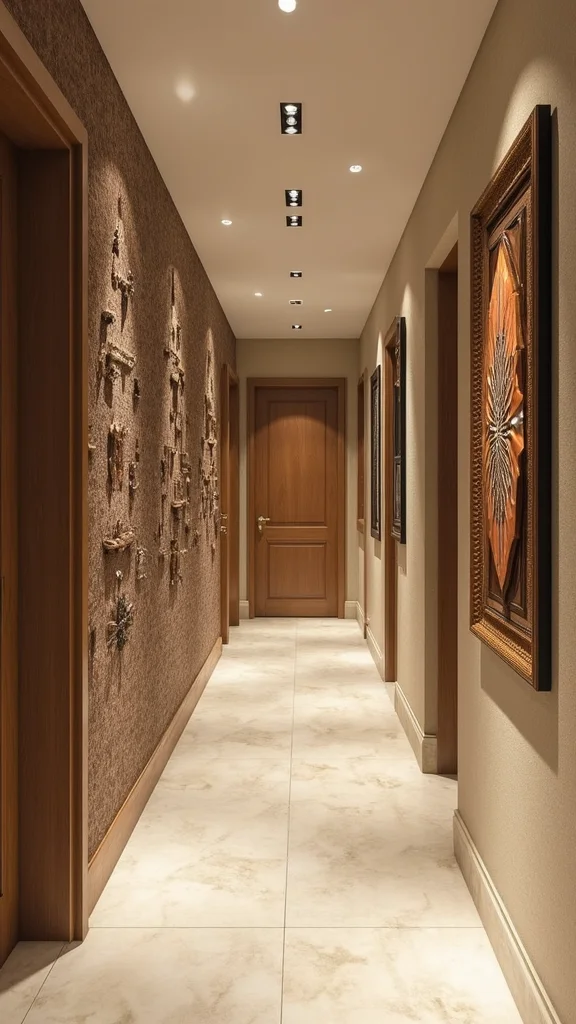
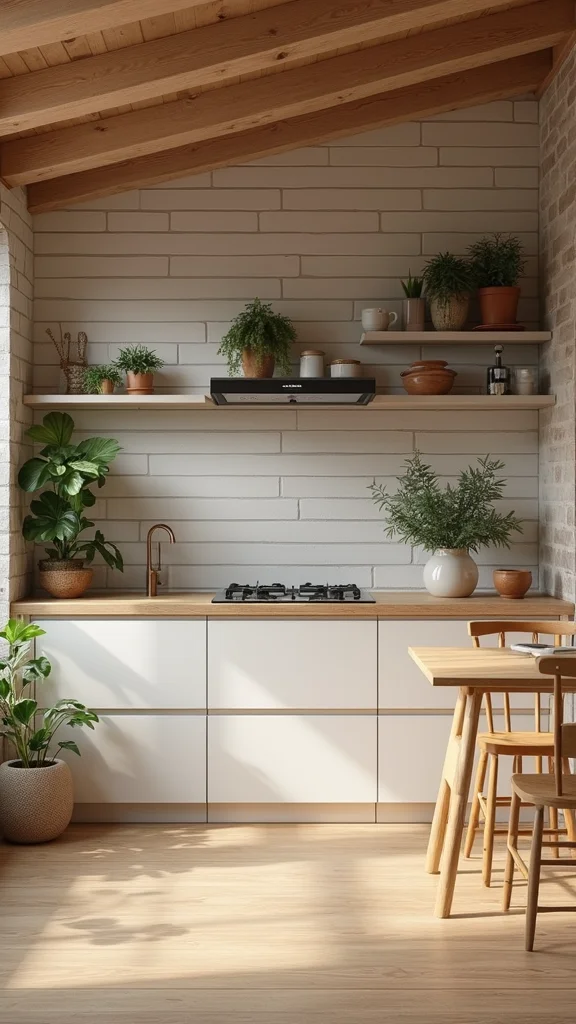
The wall space directly above your bed is one of the most visible areas in any bedroom. This prime real estate sets the visual tone for the entire room and influences how you feel when waking or winding down for sleep. While many homeowners overlook this opportunity, defaulting to bare walls or generic pieces, this area offers tremendous potential for personal expression and style enhancement.
The right above-bed wall decor anchors your bedroom’s aesthetic, creates visual interest, and can make the space feel larger or more intimate. The challenge lies in selecting an approach that complements your furnishings, aligns with your design preferences, and fits your budget and lifestyle.
This guide explores five distinct design approaches for above-bed wall decor, each with its own aesthetic impact, installation requirements, and maintenance considerations.
Understanding Your Space and Style Foundation

Before selecting specific decor, assess your bedroom’s existing conditions and personal style preferences. Wall dimensions, ceiling height, natural light, and existing color palette all influence which treatments work best.
Consider whether your bedroom leans toward contemporary, traditional, eclectic, minimalist, or maximalist design. Your above-bed decor should reinforce this direction or intentionally pivot toward a new aesthetic. High ceilings accommodate larger, bolder statements, while standard ceilings benefit from more restrained approaches.
The wall color behind your bed matters significantly. A neutral backdrop provides a blank canvas for virtually any decor option, while a painted accent wall or wallpapered surface narrows your choices and requires coordination.
Option 1: Large-Scale Artwork and Gallery Arrangements

A single substantial piece of artwork or carefully curated gallery wall creates an immediate focal point. This approach works across virtually every design style and offers flexibility in budget, scale, and subject matter.
A large canvas painting, oversized print, or framed photograph commands attention and serves as the primary visual anchor. Select artwork that genuinely speaks to you rather than defaulting to generic prints. Abstract compositions, landscape photography, botanical illustrations, and figurative art all work beautifully in bedrooms.
Aim for artwork measuring at least 30 inches in one dimension, though 40 to 60 inches is often more impactful above a standard bed. Center the artwork horizontally and position its vertical center roughly at eye level when sitting up in bed. This creates a natural, balanced composition.
Gallery walls combine multiple smaller pieces into a cohesive arrangement. A gallery wall might include framed prints, photographs, textile art, or mixed mediums. Arrangements can follow a grid pattern for contemporary feel or embrace asymmetrical layouts for eclectic vibes. Gallery walls work particularly well in bedrooms with higher ceilings and wider wall spaces.
Lay out pieces on the floor first to finalize arrangements before hanging. Maintain consistent spacing between frames—typically 2 to 3 inches—to create visual cohesion. Limiting your frame palette to two or three complementary finishes prevents chaos.
Investment varies dramatically: original paintings represent significant investments but offer uniqueness; museum-quality prints provide excellent impact at moderate prices; DIY framing of personal photographs offers budget-friendly personalization.
Artwork requires minimal maintenance beyond occasional dusting and ensuring frames remain secure, making it excellent for visual impact without ongoing upkeep.
Option 2: Textured Wall Treatments and Architectural Elements
Textured wall treatments add dimension, depth, and tactile interest, transforming a plain wall into a visually dynamic feature that catches light and creates shadow play.
Shiplap consists of horizontal wooden boards creating a distinctive linear pattern. Originally practical for weatherproofing, shiplap has become a popular design element in farmhouse, coastal, contemporary, and transitional bedrooms. Horizontal lines create a sense of width and calm, promoting relaxation. Shiplap can be painted to match your wall color for subtle texture or finished in contrasting shades for dramatic impact.
Wallpaper with dimensional patterns or embossed textures offers another avenue for visual interest. Options range from subtle grasscloth and linen-look finishes to pronounced patterns like damask or geometric designs. Modern peel-and-stick wallpapers make installation accessible to renters and those hesitant about permanent changes.
Exposed brick provides authentic texture and industrial charm. If your walls lack natural brick, brick veneer or wallpaper can mimic the appearance. Real brick requires occasional maintenance to prevent dust accumulation.
Paneling treatments—including beadboard, wainscoting, or modern geometric panels—add architectural interest and visual separation. These work particularly well in taller ceilings and make spaces feel more finished.
Stone or concrete finishes, whether real or faux, introduce industrial or modern aesthetics. These materials work in contemporary, minimalist, or industrial-style bedrooms and require minimal maintenance.
Installation ranges from straightforward (wallpaper) to more involved (shiplap or paneling). These treatments represent moderate to significant investments but permanently enhance your space.
Option 3: Fabric Upholstery and Soft Wall Treatments

Introducing fabric above your bed creates warmth, softness, and luxury that hard surfaces cannot replicate.
Upholstered wall panels extend fabric coverage from your headboard up the wall, creating a unified, cocoon-like effect. Luxurious fabrics like velvet, linen, or performance fabrics work beautifully. Fabric can match your bedding for coordination or contrast for visual interest. Upholstered walls absorb sound and create a sense of envelopment many find comforting.
Fabric wall panels mounted in frames offer a modular approach. Panels can feature solid colors, patterns, or textures and can be changed seasonally. They work well when introducing color or pattern without committing to paint or wallpaper.
Macrame wall hangings, woven textiles, or tapestries introduce bohemian flair and handcrafted character. These pieces work in eclectic, bohemian, or maximalist bedrooms and are often more affordable than fine art.
Fabric draping, whether sheer or substantial, creates romantic, theatrical effects. Draped fabric can be anchored to walls or ceilings and allowed to flow naturally. This approach works beautifully in traditional, romantic, or bohemian bedrooms and can be changed seasonally.
Quilts, blankets, or textile art pieces can be hung using rods, clips, or wall-mounted systems. This celebrates textile craftsmanship and works well with meaningful pieces of personal or cultural significance.
Fabric treatments require more maintenance than hard surfaces, as they accumulate dust and may need occasional cleaning. However, many fabric options are washable or can be professionally cleaned. Upholstered treatments may require professional installation, while simpler fabric hangings can typically be installed by homeowners.
Option 4: Mirrors and Reflective Surfaces

Strategic mirror placement above your bed serves both practical and aesthetic purposes. Mirrors amplify light, create the illusion of additional space, and add visual interest through frames and reflective qualities.
A large mirror or series of mirrors creates a dramatic focal point while functionally brightening your bedroom. Mirrors work particularly well in rooms with limited natural light or smaller dimensions, as they reflect available light and create a sense of expanded space. Position mirrors to reflect windows or light sources to maximize brightening effects.
Ornate or decorative mirror frames introduce style and personality. Antique-style frames with intricate detailing suit traditional or eclectic bedrooms, while sleek metal or minimalist frames complement contemporary spaces. Mixing multiple mirrors of varying sizes creates visual interest and a collected aesthetic.
Mirrored panels or mirrored wallpaper offer subtle approaches, introducing reflective qualities without obvious statements. These work well in contemporary or minimalist bedrooms.
Position mirrors to reflect the room rather than the bed itself, avoiding the unsettling effect of constant self-reflection. Angling mirrors slightly or positioning them off-center achieves this balance.
Mirrors require regular cleaning to maintain reflective quality and visual appeal. Fingerprints, dust, and water spots become visible on reflective surfaces, requiring more frequent maintenance than other wall treatments. However, practical benefits of increased light and perceived space often justify this upkeep.
Option 5: Floating Shelves and Functional Display
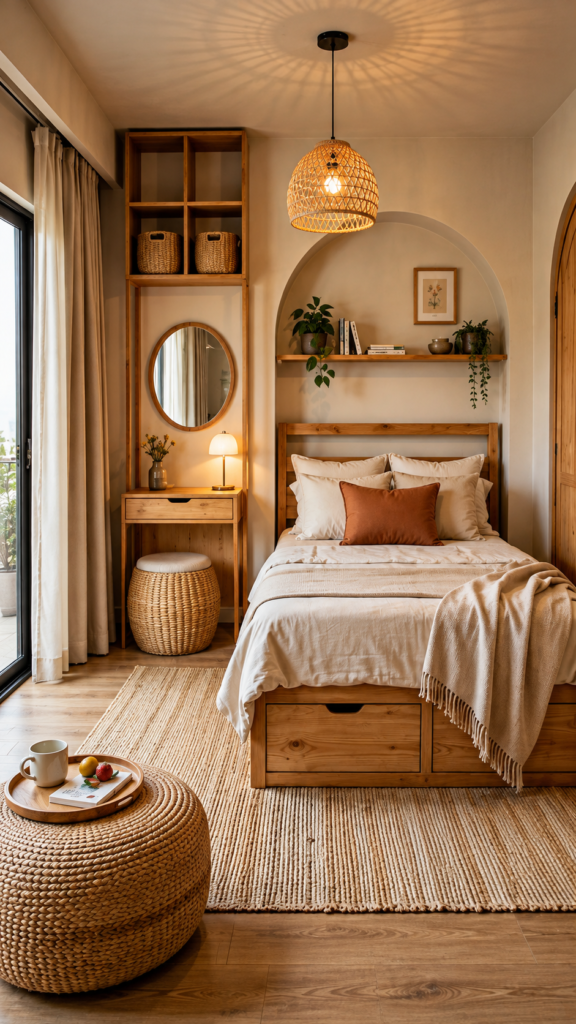
Floating shelves above your bed combine storage, display, and design in a single solution. This approach works particularly well in bedrooms where you want to maximize functionality without introducing bulky furniture.
Shelves can display curated collections of books, plants, decorative objects, or functional items. Balance visual interest with intentionality by grouping objects thoughtfully and leaving negative space. A common approach is the rule of three: grouping items in sets of three creates visual harmony and prevents shelves from feeling cluttered or sparse.
Floating shelves work beautifully in contemporary, minimalist, industrial, and eclectic bedrooms. They’re particularly effective in smaller bedrooms where traditional nightstands might feel cramped, providing surface space without taking up floor area. Shelves can hold reading lamps, small plants, favorite books, and decorative objects.
Material and finish should coordinate with your overall aesthetic. Wooden shelves suit traditional, rustic, or eclectic spaces. Metal shelves complement industrial or contemporary designs. White or neutral shelves work in minimalist or Scandinavian-inspired bedrooms.
Proper installation requires appropriate wall anchors and hardware for your wall type and planned weight. Most floating shelves support 25 to 50 pounds when properly installed, though this varies by product. Distribute heavier items like books across multiple shelves to prevent overloading.
Styling shelves requires ongoing attention as dust accumulates and arrangements shift. However, this flexibility allows seasonal refreshes without permanent modifications.
Combining Approaches for Maximum Impact
Many successful bedrooms combine multiple above-bed wall treatments rather than relying on a single approach. For example, install shiplap as a textured backdrop, hang a large artwork in the center, and flank it with floating shelves displaying meaningful objects.
When combining approaches, ensure they work harmoniously rather than competing for attention. One element should serve as the primary focal point, with secondary elements supporting and enhancing. Consider visual weight and how components balance across the wall space.
Color coordination becomes more important when combining treatments. If using textured wallpaper, ensure artwork or shelving displays complement rather than clash with patterns. Limiting your palette to two or three primary colors plus neutrals creates cohesion.
Common Mistakes to Avoid
Positioning too high: Many people center artwork on the wall itself rather than relative to the bed and eye level, resulting in disconnected arrangements. Aim for the center of your decor to align roughly with eye level when sitting up in bed.
Choosing impersonal decor: Selecting pieces based solely on trends rather than personal preference results in uninspiring spaces. Your bedroom should reflect your interests and make you happy.
Overcrowding: Not every wall needs to be filled with decor. Sometimes restraint is most impactful, allowing breathing room and letting key pieces stand out.
Ignoring maintenance: Selecting treatments requiring frequent upkeep without willingness to provide it results in neglected-looking spaces. Choose options aligning with your lifestyle.
Maintenance and Longevity Considerations
Different treatments require varying upkeep levels. Artwork and mirrors need occasional dusting and cleaning. Textured treatments may accumulate dust in crevices. Fabric treatments need regular dusting and may require professional cleaning. Floating shelves require dusting of both shelves and displayed items.
Quality artwork in proper frames improves with age and develops character. Trendy wallpaper patterns may feel dated after years. Choosing timeless designs and quality materials ensures long-term appeal.
For renters, prioritize treatments not requiring permanent modifications. Wallpaper, fabric hangings, and floating shelves with appropriate hardware can typically be removed without damage. Painted treatments, shiplap, and permanent paneling may violate leases.
Conclusion
The wall space above your bed deserves thoughtful consideration and intentional design choices. Whether you opt for large-scale artwork, textured treatments, fabric elements, mirrors, or functional shelving, your selection should reflect your personal style and enhance your bedroom’s aesthetic and functionality.
Each approach outlined here offers distinct advantages and works across different design styles and budgets. The best choice depends on your specific space, design preferences, lifestyle, and maintenance willingness. Many successful bedrooms combine multiple approaches, layering visual interest and functionality.
Take time to envision how each option would look in your space. Consider how it would make you feel when waking or settling in for sleep. Your bedroom is deeply personal, and chosen decor should bring genuine joy and comfort. With thoughtful planning and intentional choices, your above-bed wall becomes a beautiful, meaningful focal point enhancing your entire bedroom experience.