When square footage is limited, every design choice carries weight. Wall decor becomes more than aesthetic preference—it becomes a strategic tool for defining space, creating visual interest, and establishing atmosphere without consuming floor area. Whether you’re designing a nursery that needs to feel calming and stimulating, or furnishing a studio apartment where bedroom, living, and kitchen occupy one room, thoughtful wall treatments transform how a space feels and functions.
This guide explores practical, tested approaches to wall decoration for small spaces. You’ll discover methods that create visual depth, establish focal points, organize visual clutter, and enhance functionality. These aren’t generic design tips—they’re solutions built around the real constraints of compact living.
Vertical Storage and Functional Wall Decor

In small spaces, decoration and function merge. A wall that looks beautiful but serves no practical purpose represents wasted opportunity. This is where functional wall decor becomes essential, particularly in nurseries where storage needs are substantial.
Floating shelves represent the most versatile approach to combining storage with visual interest. Unlike traditional bookcases that consume floor space, floating shelves create the illusion of weightlessness while providing genuine storage. In a nursery, floating shelves display books, soft toys, and decorative baskets containing supplies. The key to making shelves feel designed rather than utilitarian lies in curation and arrangement. A shelf with carefully selected objects and breathing room between items reads as intentional; a packed shelf reads as cluttered.
For studio apartments, floating shelves serve multiple functions simultaneously. They display personal collections, hold plants, store everyday items, and create visual breaks that help define different zones. A shelf above a desk signals “work zone.” A shelf above seating becomes a backdrop that frames the space.
Wall-mounted pegboards offer another functional approach, particularly effective in nurseries where you need frequent access to supplies. A pegboard painted to match your wall color provides flexible storage for diapers, wipes, and toys while remaining visually integrated. In studio apartments, pegboards work well in kitchen areas or above desks, creating organized storage without consuming floor space.
Creating Focal Points Without Overwhelming the Space
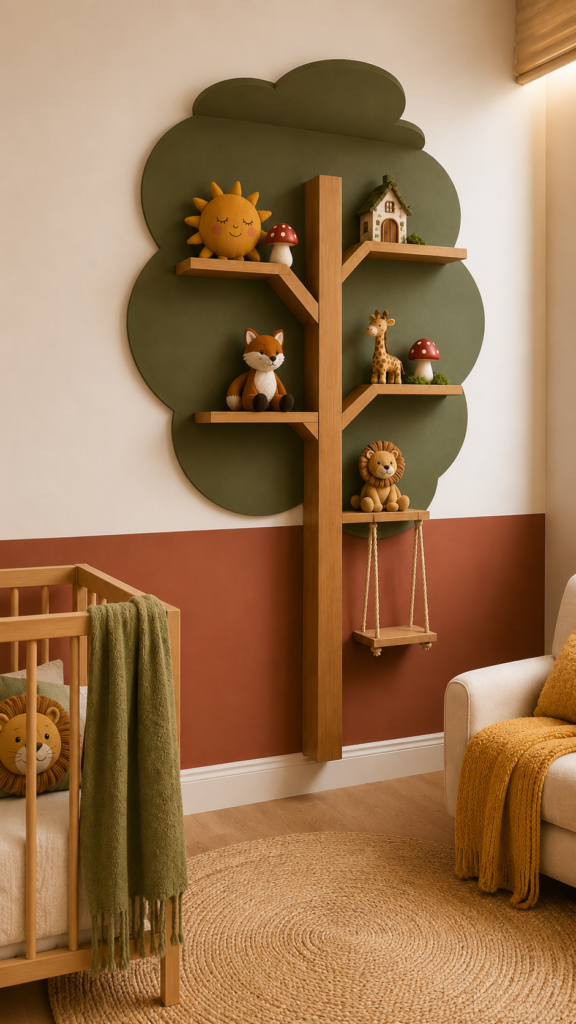
A focal point gives the eye somewhere to rest and provides visual organization. In small spaces, you must create focal points deliberately through wall decor, and you must do so carefully to avoid making the room feel busier.
The most effective strategy involves choosing one wall and treating it distinctly from the others. This might mean a different color, textured wallpaper, a large piece of art, or a cohesive collection of smaller pieces. The key is restraint. If every wall competes for attention, the space feels chaotic. If one wall serves as the focal point, the room feels intentional.
In nurseries, the wall behind the crib naturally becomes the focal point. A soft, visually interesting wall treatment here sets the tone for the entire room. This might be a large piece of art, framed prints in a grid, or textured wallpaper in calming tones. The focal point should be soothing rather than stimulating.
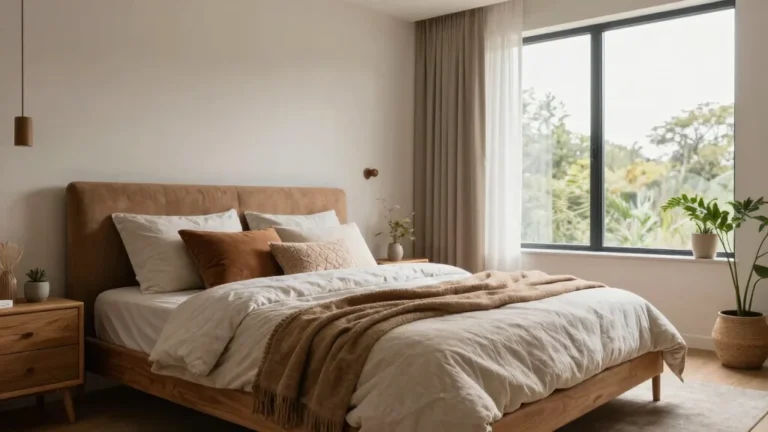
For studio apartments, the focal point often works best on the wall behind the bed or sofa. This creates a visual anchor that helps define the sleeping or living area.
Color plays a crucial role in focal point creation. A wall painted in a deeper or more saturated color naturally draws attention. In small spaces, this works best when the focal wall is relatively small or when the color is sophisticated. Soft jewel tones, warm neutrals, or muted earth tones work better than bright primaries.
Mirrors and Reflective Surfaces for Visual Expansion
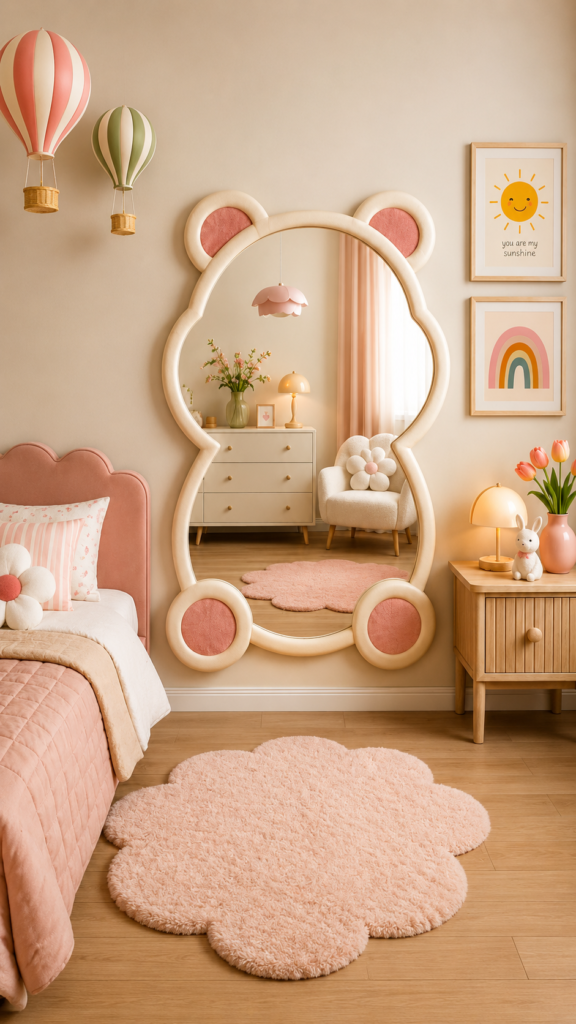
Mirrors represent one of the most effective tools for making small spaces feel larger. A strategically placed mirror reflects light and creates the illusion of depth, making a room feel more expansive.
In nurseries, mirrors should be positioned carefully for safety. A mirror opposite a window reflects natural light throughout the room, brightening the space and making it feel airier. Mirrors with soft frames or those integrated into wall decor add visual interest while serving the practical function of light reflection.
For studio apartments, mirrors become essential design tools. A large mirror opposite a window maximizes natural light and creates the impression of a second window. Mirrors placed on walls adjacent to seating areas reflect the room back at itself, creating visual expansion.
Textured Wall Treatments and Dimension
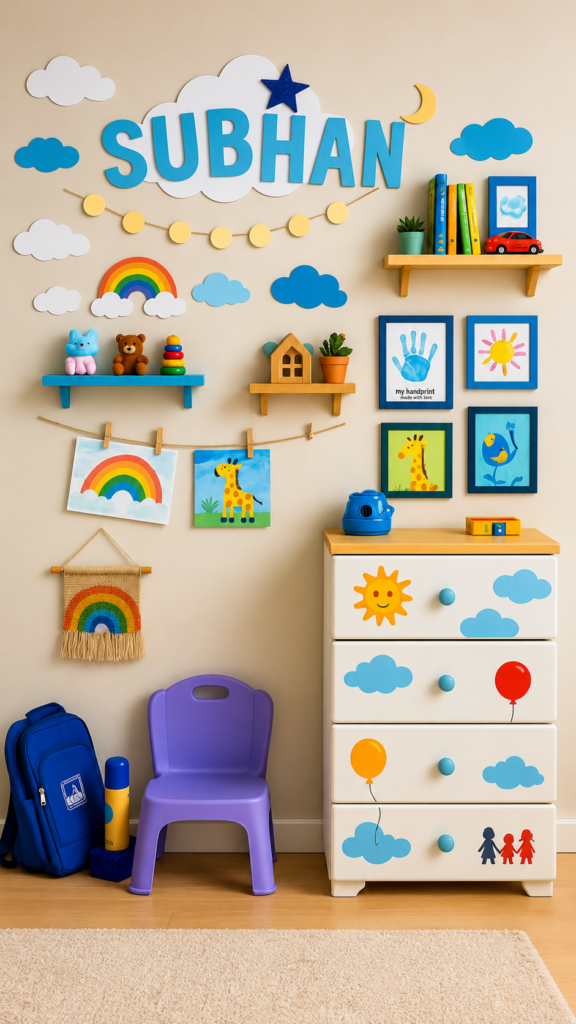
Flat, smooth walls in small spaces can feel monotonous. Textured wall treatments add visual and tactile dimension without requiring additional floor space.
Textured wallpaper offers the most straightforward approach. Options range from subtle grasscloth textures to pronounced patterns. In nurseries, textured wallpaper in soft, neutral tones creates a calming environment while adding visual interest. The texture catches light differently depending on the time of day, preventing the wall from feeling static.
For studio apartments, textured wallpaper works well in defined zones. A textured accent wall behind the bed creates visual separation without requiring furniture changes.
Paint techniques such as sponging, ragging, or stippling create subtle texture that adds depth. These techniques work particularly well in nurseries, where they create soft, organic patterns that feel calming.
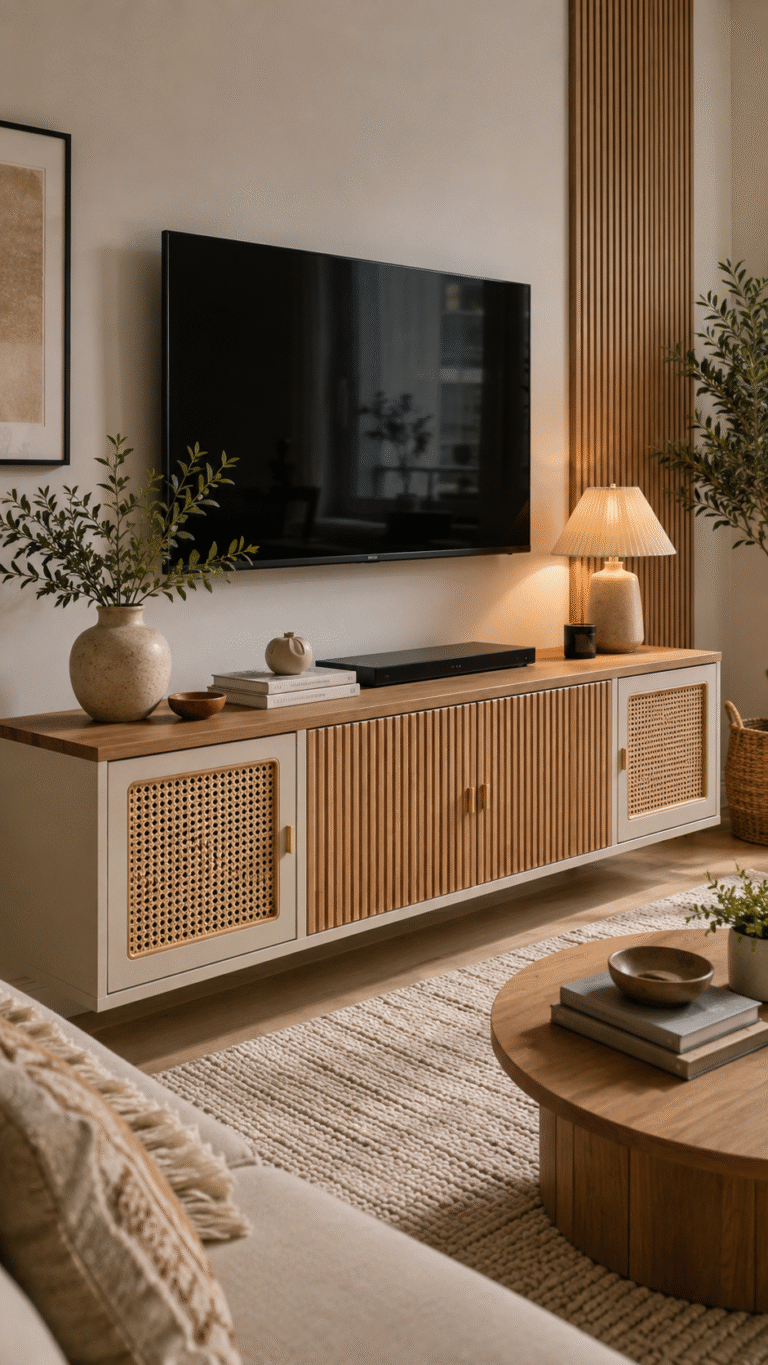
Shiplap, paneling, or other wall treatments introduce architectural interest while adding texture. In nurseries, shiplap painted in soft colors creates a cottage-like aesthetic. In studio apartments, shiplap on one wall creates a focal point and helps define space zones.
Art and Prints for Personal Expression
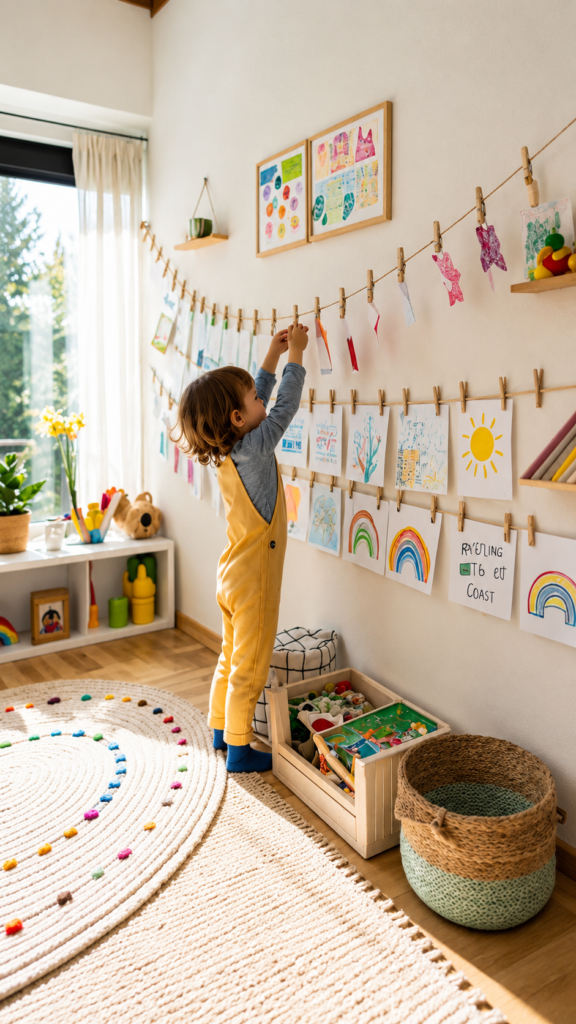
Wall art allows you to express personality while contributing to the overall design. In small rooms, art choices matter more than in larger spaces, as each piece influences visual balance and atmosphere.
In nurseries, art should balance aesthetic appeal with age-appropriateness and safety. Soft, calming imagery works better than busy patterns. Botanical prints, gentle animals, abstract shapes in soft colors, or inspirational quotes all work well. A single large piece often works better than many small pieces, as it creates a clear focal point.
For studio apartments, art becomes a tool for personal expression and space definition. A large piece above the sofa or bed anchors that area and signals its function. A series of smaller pieces arranged in a cohesive pattern can define a zone or create visual interest.
Framing choices influence how art reads in a small space. Thin, simple frames work better than heavy, ornate frames. Consistent framing across multiple pieces creates cohesion.
Lighting as Decorative Elemen
Lighting serves both functional and decorative purposes. In small spaces, it becomes particularly important. Wall-mounted lighting can provide illumination while adding visual interest.
Wall sconces offer elegant lighting solutions that don’t require floor or table space. In nurseries, soft, diffused sconces provide gentle illumination for nighttime care. Sconces with decorative shades add visual interest while serving a practical function. Placing sconces on either side of a focal point creates balanced, intentional lighting.
For studio apartments, sconces work well beside the bed, above a desk, or flanking a mirror. They provide task lighting while adding decorative elements that contribute to overall design.
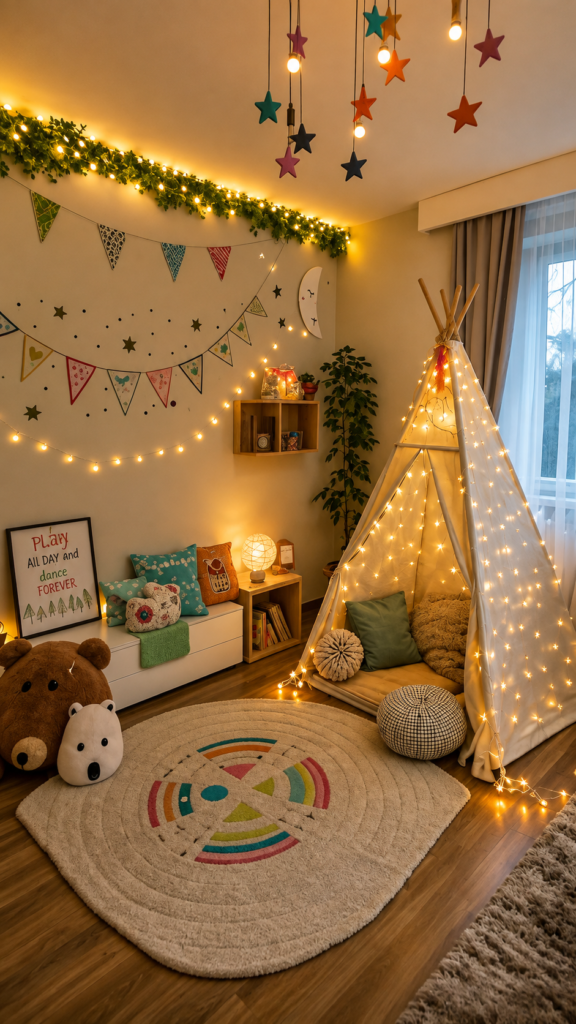
String lights or fairy lights add a soft, decorative element that works well in both nurseries and studio apartments. In nurseries, warm white string lights create a gentle, magical atmosphere. In studio apartments, string lights can define a cozy corner or add warmth to a reading nook.
Color Strategy for Compact Rooms
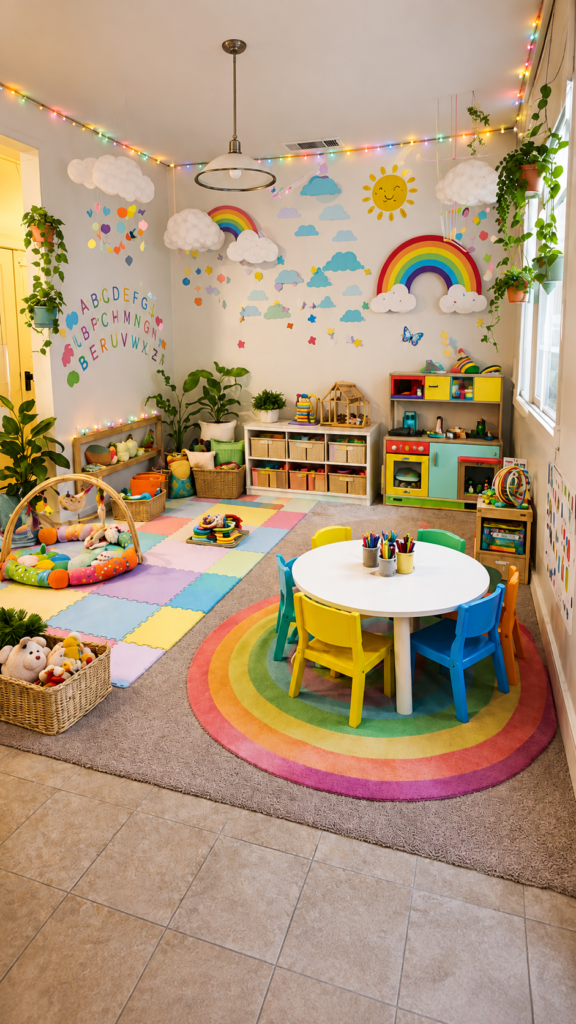
Color choices profoundly influence how a small space feels. The right palette can make a room feel larger, calmer, or more energizing.
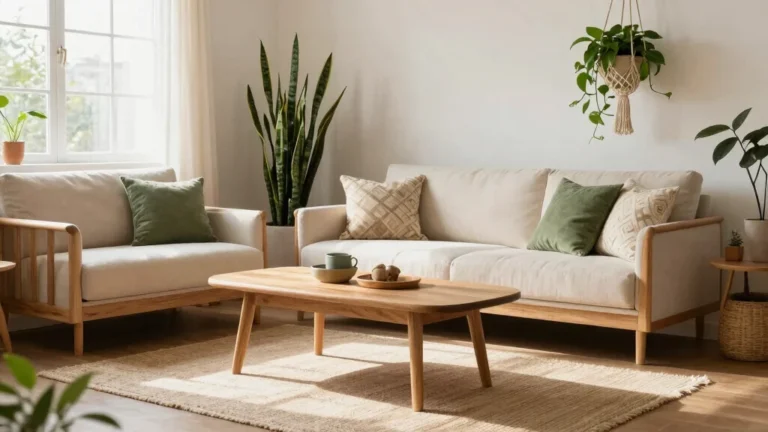
Light, neutral colors traditionally work well in small spaces because they reflect light and create openness. Soft whites, warm grays, pale beiges, and light taupes all expand perceived space. In nurseries, these neutral bases allow you to add color through decor and artwork without overwhelming the room. In studio apartments, neutral walls create a calm backdrop that allows you to define zones through furniture and decor.
However, small spaces don’t require bland interiors. Soft, muted colors work beautifully in compact rooms. Dusty blues, soft greens, warm terracottas, and gentle purples add personality without making the space feel smaller. The key is saturation; muted, sophisticated colors feel intentional and calming.
In nurseries, color psychology matters. Soft blues and greens promote calm and sleep. Warm neutrals feel nurturing and safe. Avoid overly bright colors on large wall areas, though small accents through art or decor can add visual interest.
For studio apartments, consider using color to define zones. A slightly warmer tone on the wall behind the bed signals the sleeping area. A different color in the kitchen zone helps separate it visually from the living area. These color shifts create psychological separation without making the space feel chaotic.
Accent colors work well in small spaces when used strategically. A single accent wall in a deeper color creates a focal point. Accent colors through decor and textiles allow you to introduce personality without overwhelming the space.
Common Mistakes to Avoid
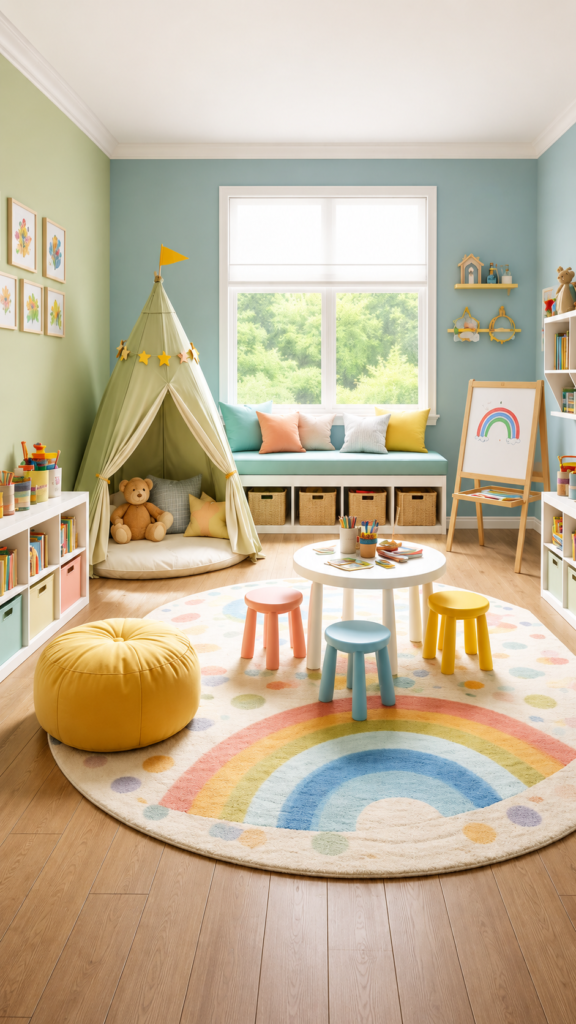
Understanding what doesn’t work in small spaces helps you make better choices.
Overcrowding walls with too many pieces creates visual chaos. Every item competes for attention, making the space feel busier and smaller. Instead, curate carefully and leave breathing room between pieces.
Using heavy, ornate frames adds visual weight that makes small spaces feel confined. Thin frames and simple designs work better. This doesn’t mean sterile; it means choosing quality over quantity.
Ignoring scale creates visual imbalance. A tiny piece of art on a large wall looks lost. A large piece in a small space can feel overwhelming. Matching scale to the wall and room creates visual harmony.
Neglecting to consider how wall decor relates to furniture creates a disjointed appearance. Wall decor should feel intentional and coordinated with overall design.
Failing to maintain the space leads to clutter that undermines even the best design choices. Regular editing keeps small spaces feeling intentional and organized.