A statement wall transforms a room instantly. It draws the eye, establishes mood, and anchors your entire design scheme. In compact living spaces, the stakes feel higher because every design choice must earn its place, balancing boldness with restraint and impact with practicality.
This guide walks you through proven strategies for creating statement walls that enhance rather than overwhelm compact living areas. You will learn which techniques work best in small rooms, how to select colors and patterns that feel intentional rather than cramped, and how to avoid common pitfalls that make small spaces feel smaller.
Understanding Statement Walls in Small Spaces
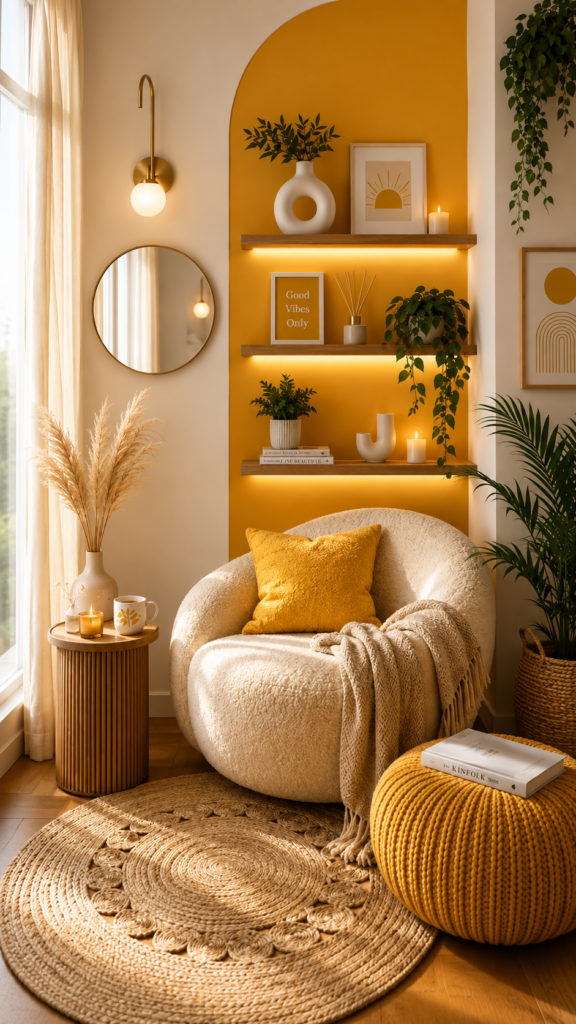
A statement wall is simply one wall treated differently from the others. It might feature bold paint, textured wallpaper, shiplap, tile, or mixed-media art. The goal is to create a focal point that commands attention and sets the tone for the entire room.
In compact living spaces, statement walls serve an additional purpose: they create the illusion of depth and dimension. A well-executed accent wall can make a small room feel larger, more intentional, and more professionally designed. Conversely, a poorly chosen statement wall can make the space feel cramped or chaotic.
Color as Your Primary Tool
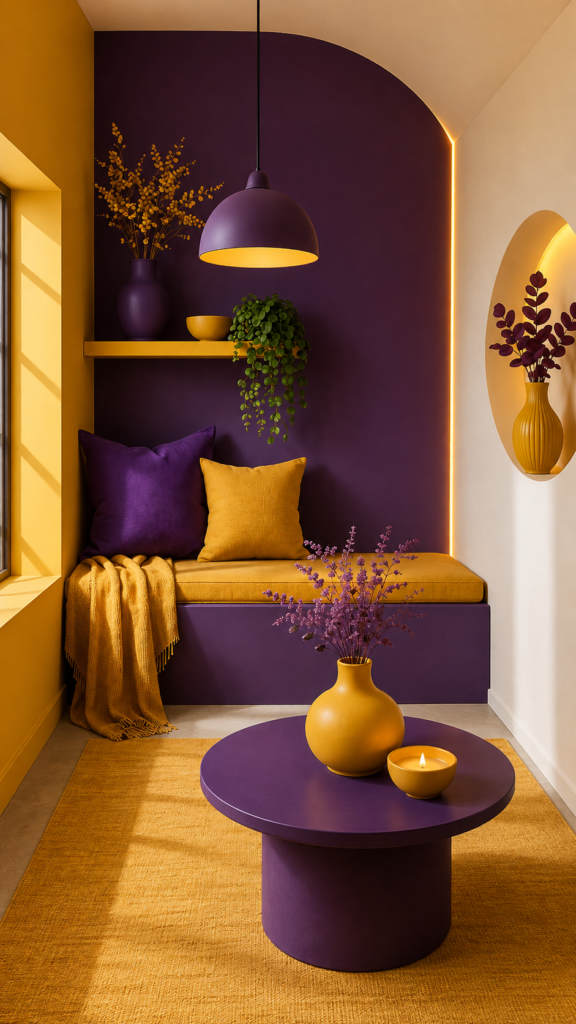
Paint is the fastest, most affordable, and most reversible way to create a statement wall. Certain hues expand perceived space, while others contract it. Understanding this distinction helps you choose a color that feels bold without feeling claustrophobic.
Deep, saturated colors like navy, forest green, charcoal, and burgundy work beautifully in compact spaces when applied strategically. These colors create depth and sophistication. Paint the wall you see first when entering the room, or the wall behind your bed or sofa. This anchors the space and prevents the color from feeling random.
Lighter statement colors offer a different advantage. Soft sage, warm terracotta, dusty rose, or pale mustard provide personality without visual weight. These work well if you prefer subtlety or if your space receives limited natural light. They still read as intentional and designed while feeling more open and airy.
Warm colors like oranges, warm reds, and golden yellows advance toward you, making walls feel closer. In very small spaces, use these sparingly or choose muted versions. Cool colors like blues, greens, and purples recede, making walls feel farther away. This optical illusion can actually make a compact room feel slightly larger.
Wallpaper and Textured Finishes

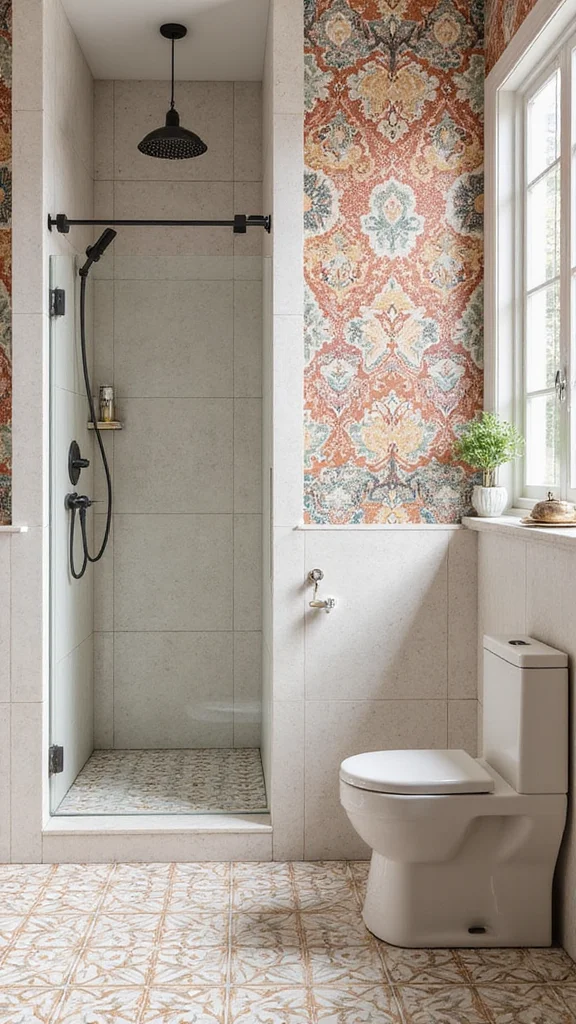
Wallpaper creates instant impact and allows for patterns and textures that paint alone cannot achieve. Modern options range from subtle geometric patterns to bold florals, abstract designs, and textured finishes that mimic natural materials.
In compact spaces, wallpaper works best when the pattern is either very small-scale or very large-scale. Medium-scale patterns can feel busy and overwhelming in small rooms. Tiny geometric patterns or large-format botanical prints tend to feel more intentional and less chaotic.
Removable wallpaper has revolutionized small-space decorating, especially for renters. Peel-and-stick options adhere to walls without damaging paint or plaster. They come in thousands of designs and can be removed cleanly when you move or change your mind. This makes wallpaper a low-risk statement wall option for apartments or temporary living situations.
Textured finishes offer another approach. Shiplap, beadboard, or textured wall panels create visual and tactile interest without the commitment of wallpaper or the boldness of color. These finishes work particularly well in bedrooms, creating a cozy, intentional aesthetic while hiding minor wall imperfections.
Accent Walls Through Art and Murals
Gallery walls and large-scale art create statement walls without permanent changes to your space. This approach works beautifully for renters or anyone hesitant about paint or wallpaper.
A gallery wall combines multiple framed pieces in a cohesive arrangement. The key to success in a small space is choosing a consistent frame style and mat color, which creates visual unity despite varied artwork. Black frames, natural wood frames, or white frames each create different moods. Keeping frames consistent prevents the wall from feeling chaotic.
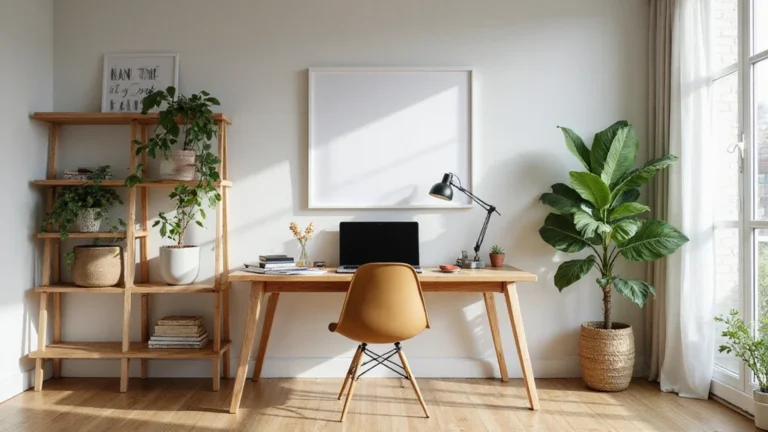
Alternatively, a single large-scale artwork can serve as a statement wall on its own. An oversized canvas, framed print, or textile hung above a sofa or bed immediately draws attention and establishes the room’s aesthetic direction. This approach is particularly effective in compact spaces because it creates impact without visual clutter.
Lighting as a Design Element
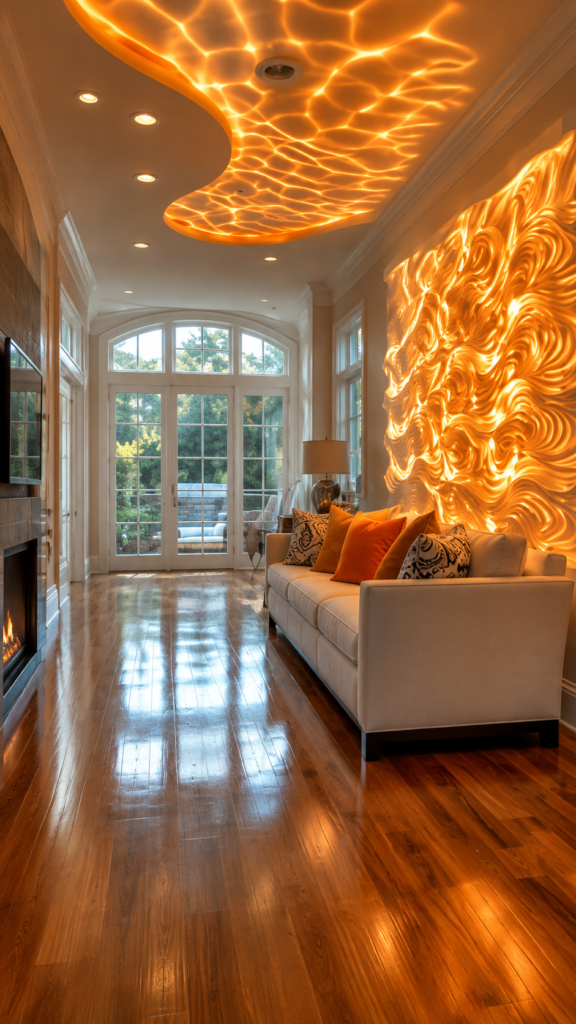
Strategic lighting transforms a statement wall from nice to spectacular. Accent lighting highlights texture, color, and detail in ways that flat overhead lighting cannot achieve.
Picture lights mounted above framed artwork draw attention to gallery walls and large prints. These subtle fixtures illuminate the artwork while creating a sophisticated, gallery-like effect. They work particularly well in compact spaces where you want to guide the viewer’s eye to a specific focal point.
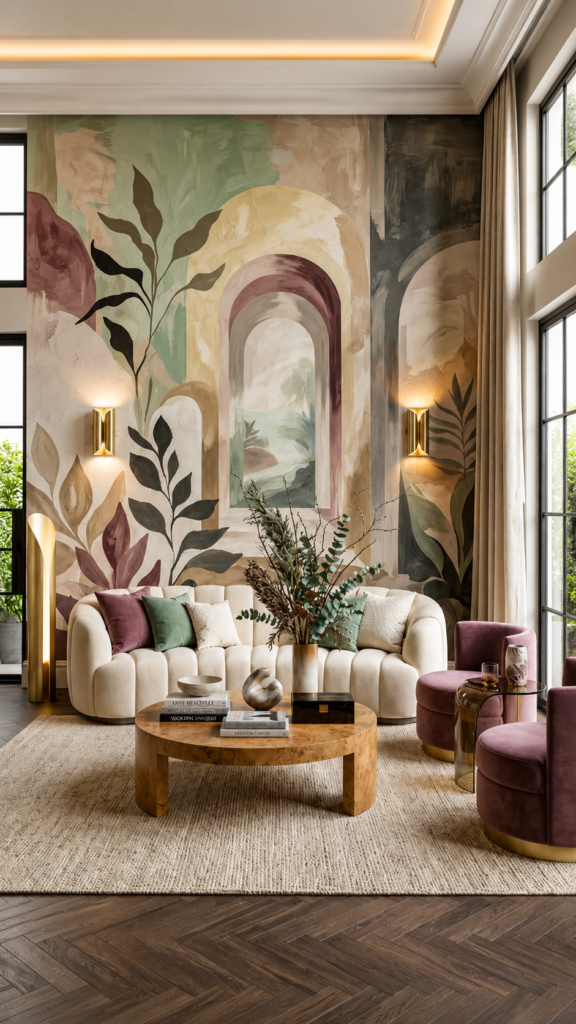
Wall sconces flanking a statement wall or positioned to graze across textured surfaces create dramatic shadows and depth. In a small bedroom, sconces on either side of a headboard wall create hotel-like sophistication while serving as functional reading lights. This dual purpose makes them especially practical for compact spaces where every element should earn its place.
Combining Multiple Techniques
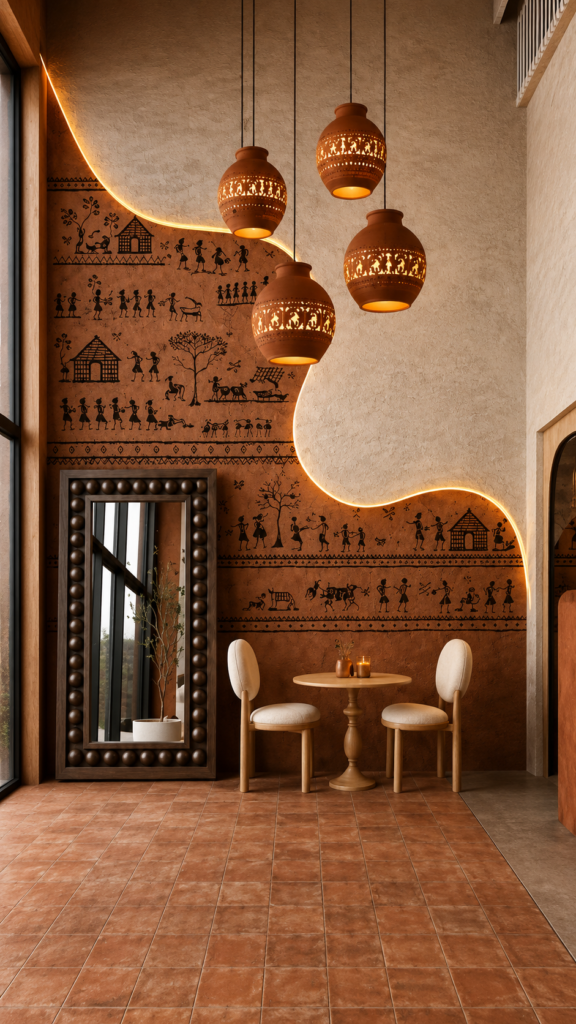
The most sophisticated statement walls often combine two or more techniques. A painted accent wall with large-scale artwork creates more impact than either element alone. Wallpaper paired with complementary lighting transforms a simple wall into a design feature.
Consider layering approaches thoughtfully. A deep green painted wall with a large botanical print and subtle accent lighting creates a rich, intentional aesthetic. A textured wallpaper with floating shelves displaying curated objects turns a statement wall into a functional display area.
In very compact spaces, restraint becomes even more important. Combining too many techniques can feel overwhelming. Choose one primary technique (paint, wallpaper, or art) and one secondary element (lighting or accessories) to avoid visual chaos.
Practical Considerations for Renters
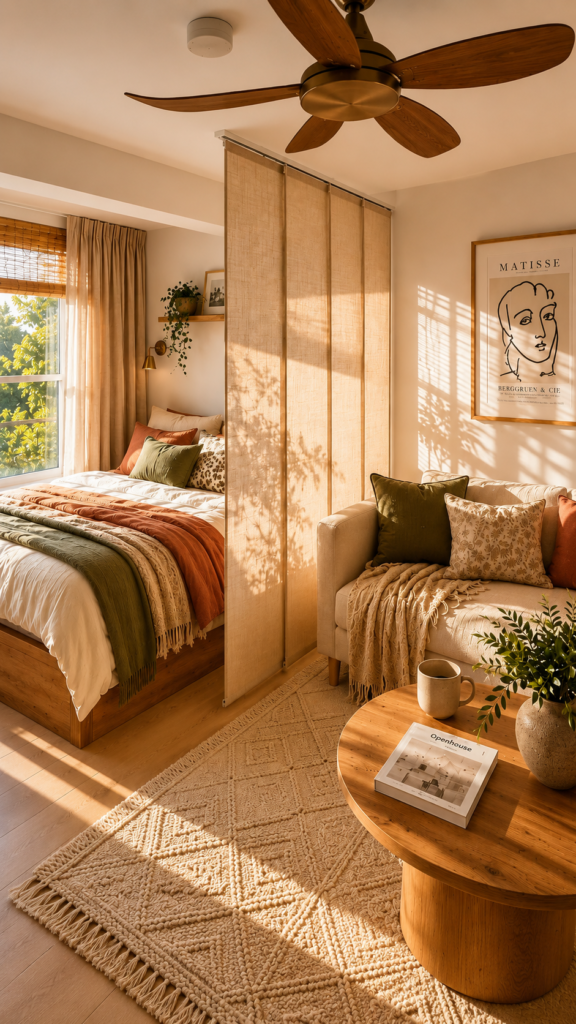
Renters face unique constraints when creating statement walls. Permanent changes like painting or wallpapering require landlord approval and may violate lease agreements. Fortunately, numerous renter-friendly options exist.
Removable wallpaper adheres securely enough to create a professional appearance but peels off cleanly without damaging walls. Quality matters; cheap removable wallpaper often leaves residue or tears during removal. Investing in reputable brands ensures you can remove your statement wall without consequences.
Fabric wall coverings offer another renter-friendly approach. Tension rods and fabric panels create a temporary statement wall that requires no adhesive or damage to existing walls. This technique works particularly well in bedrooms, where fabric adds softness and warmth.
Common Mistakes to Avoid
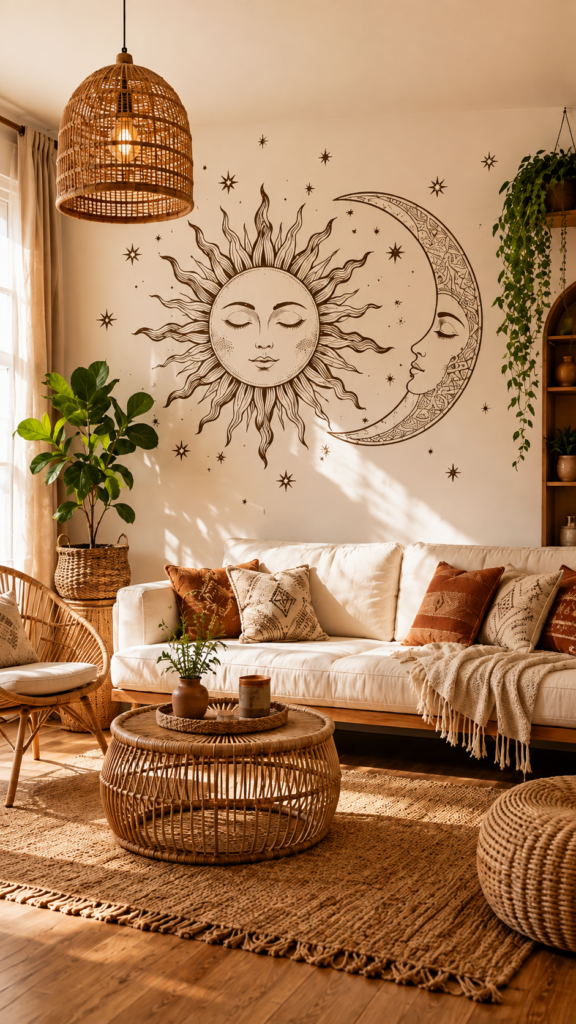
Choosing a color or pattern that does not match your personal style ranks among the most common statement wall mistakes. Trends fade, but you live with your space daily. Choose designs you genuinely love, not designs you think you should like.
Painting or wallpapering the wrong wall wastes effort and money. The most effective statement walls are positioned where they naturally draw attention. In bedrooms, this is typically the wall behind the bed. In living rooms, it is usually the wall opposite the seating area. In home offices, it might be the wall behind your desk. Choose your wall strategically.
Overwhelming a small space with too much pattern or too much color creates visual chaos rather than intentional design. In compact rooms, restraint matters. One bold wall paired with neutral surroundings creates impact. Multiple bold walls create confusion.
Ignoring lighting when planning a statement wall misses an opportunity to enhance your design. A beautifully painted wall looks flat and uninspiring under harsh overhead lighting. Strategic accent lighting transforms the same wall into a design feature.
Styling Around Your Statement Wall
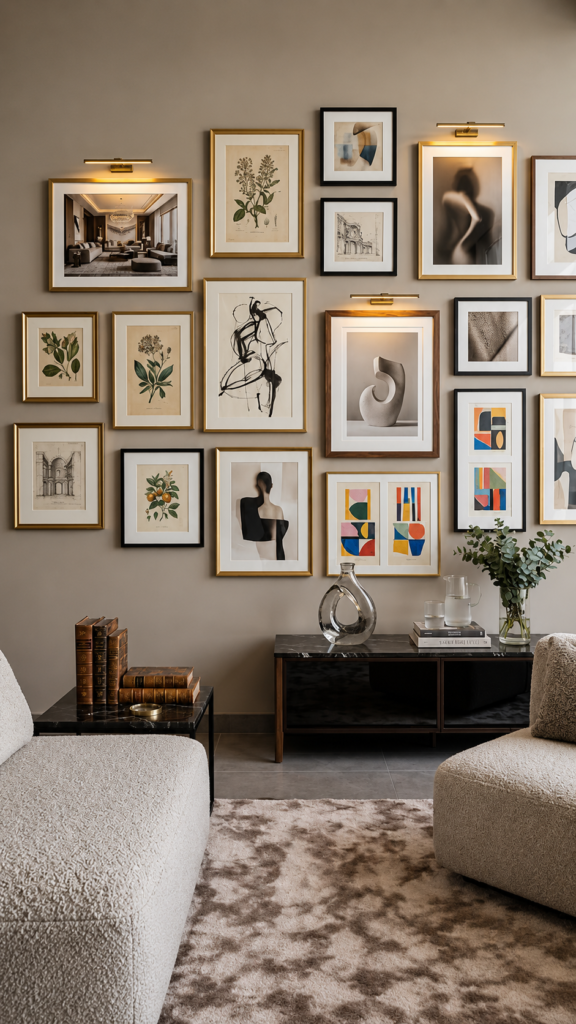
Once your statement wall is complete, styling the rest of the room requires thoughtfulness. Your statement wall should feel like the star of the show, not one element competing for attention among many.
Keep surrounding walls neutral or very subtle. White, cream, soft gray, or pale versions of your statement wall color work well. This approach ensures your statement wall remains the focal point rather than becoming one element among many.
Furniture placement matters significantly. Position your largest furniture piece (sofa, bed, or desk) to face or interact with your statement wall. This arrangement naturally draws attention to your design feature and creates a cohesive, intentional layout.
Seasonal and Temporary Statement Walls

Not everyone wants a permanent statement wall. Temporary approaches allow you to refresh your space seasonally or experiment with different designs.
Removable wallpaper makes seasonal updates simple. Change your statement wall design with the seasons, updating colors and patterns to match your mood and the time of year. This approach keeps your space feeling fresh and intentional throughout the year.
Fabric panels and tapestries can be swapped out easily, allowing you to change your statement wall as often as you like. This works particularly well if you enjoy variety or if you are still discovering your personal style.
Artwork and gallery walls can be updated by swapping individual pieces or rearranging the entire composition. This flexibility allows you to refresh your space without major changes.
Maximizing Small Space Perception
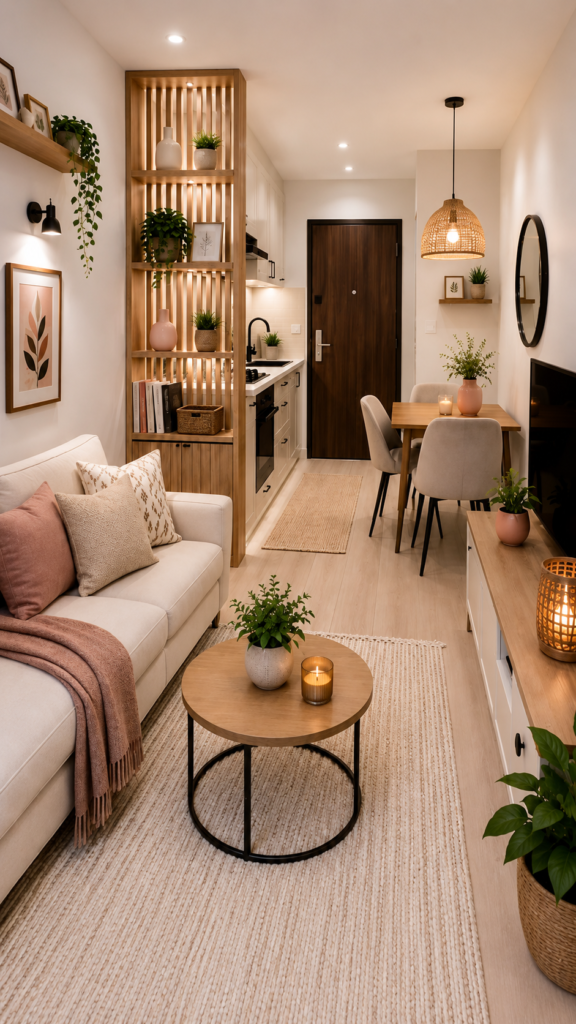
Strategic statement wall choices can actually make a compact room feel larger. Understanding how color, pattern, and placement affect spatial perception helps you make choices that enhance rather than diminish your sense of space.
Painting the wall farthest from your entry point a slightly darker or more saturated color creates depth, making the room feel larger. This technique works because the darker wall recedes visually, expanding the perceived distance between you and that wall.
Vertical patterns and designs draw the eye upward, making ceilings feel higher. In rooms with low ceilings, this visual trick creates a sense of greater height and openness.
Horizontal patterns and designs make walls feel wider. In narrow rooms, a horizontal pattern on a statement wall can make the space feel less cramped.
Conclusion
Creating a statement wall in a compact living space requires thoughtfulness and intentionality, but the payoff justifies the effort. A well-executed statement wall transforms your space, adding personality, depth, and visual interest without consuming valuable square footage.
The most successful statement walls reflect your personal style while respecting the constraints and opportunities of your specific space. Whether you choose bold color, textured wallpaper, curated artwork, or strategic lighting, your statement wall should feel like a natural extension of your home rather than an afterthought.
Start by identifying your wall, considering your options, and testing your choices before committing. Take time with preparation and installation. Style your space thoughtfully around your statement wall, allowing it to shine as the focal point it deserves to be. The result will be a compact living space that feels intentional, sophisticated, and unmistakably yours.