Renting an apartment often means navigating strict lease agreements that prohibit permanent wall modifications. Drilling holes, mounting shelves, or applying adhesive strips can result in security deposit deductions or breach-of-lease penalties. Yet living in a blank, uninspiring space takes a toll on your comfort and sense of home. The good news is that you have numerous options to personalize your rental walls without causing damage or violating your lease terms.
This guide explores practical, tested methods for decorating rental apartment walls while keeping your security deposit intact. Whether you’re looking to add color, texture, visual interest, or functional storage, these solutions work across different wall types and rental situations. Many are temporary, meaning you can take them with you when you move, making them smart investments for renters who change addresses frequently.
Adhesive-Based Hanging Systems
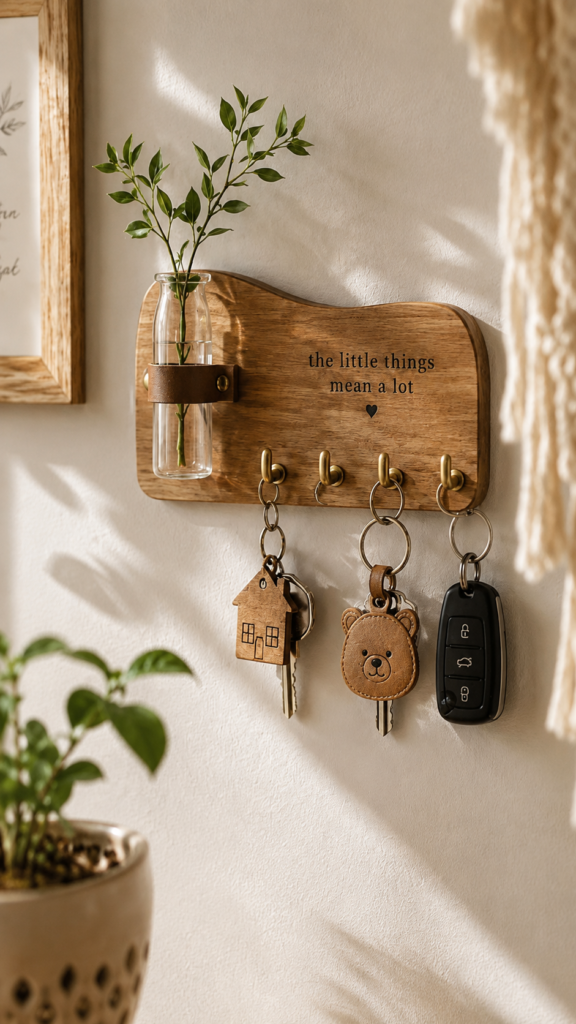
Command strips and similar adhesive products have revolutionized renting by offering a genuinely damage-free alternative to nails and screws. These strips use a special adhesive formula designed to remove cleanly without leaving residue or damaging paint. They come in various weight capacities, from lightweight options suitable for small prints to heavy-duty versions that can support shelves or mirrors weighing up to 16 pounds.
The appeal lies in their simplicity and reversibility. You apply strips directly to the wall, press your frame or object firmly for the recommended time, and they hold securely. When ready to remove them, you simply pull a tab or peel them away slowly at a low angle. The adhesive releases cleanly without tearing paint or leaving sticky residue. This makes them ideal for hanging artwork, mirrors, shelves, or decorative elements without permanent commitment.
Removable Wallpaper and Wall Decals
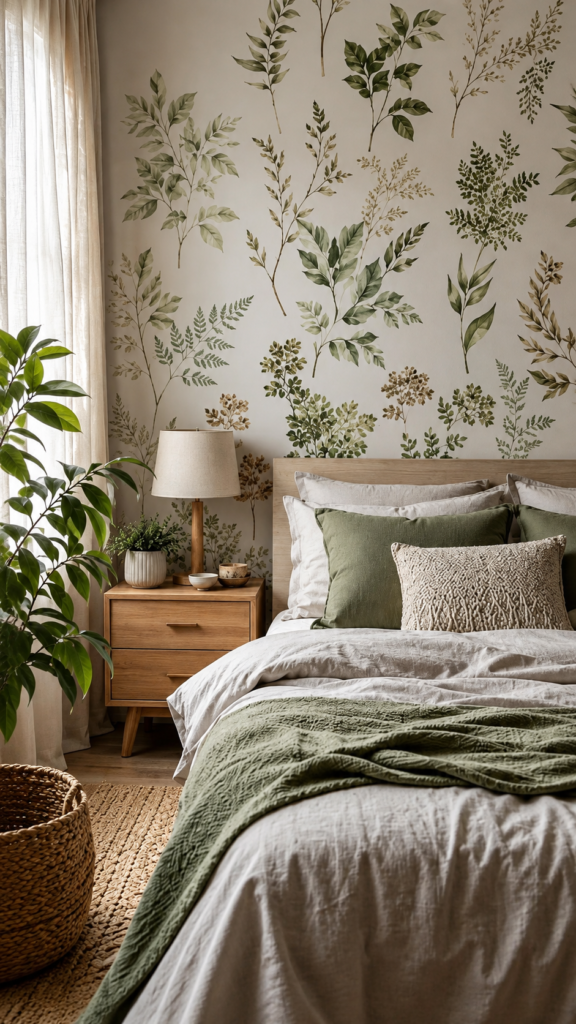
Removable wallpaper has become increasingly sophisticated, offering patterns and textures that rival permanent options. Unlike traditional wallpaper that requires professional installation and leaves residue when removed, modern removable wallpaper uses a peel-and-stick adhesive that comes off cleanly. This makes it an excellent choice for renters wanting to transform a room’s appearance without commitment.
Installation is straightforward. You measure your wall, cut the wallpaper to size, and apply it directly to the wall surface. Most removable wallpapers come in rolls or panels that you can customize to fit your space. The adhesive is strong enough to stay in place for years but weak enough to remove without damaging underlying paint. When you move, you simply peel it away, and your wall returns to its original state.
Removable wallpaper works particularly well for accent walls. Rather than covering an entire room, applying it to one wall creates visual impact while keeping the project manageable. This approach also makes it easier to remove if you change your mind or if your landlord has concerns. Popular options include geometric patterns, botanical prints, wood textures, and solid colors that complement your decor style.
Freestanding and Leaning Furniture Solutions

Furniture-based wall decor offers a creative approach that requires no wall attachment at all. Leaning large mirrors, artwork, or decorative panels against walls creates visual interest while remaining completely removable. This method works especially well in living rooms, bedrooms, and entryways where you have floor or furniture space to accommodate larger pieces.
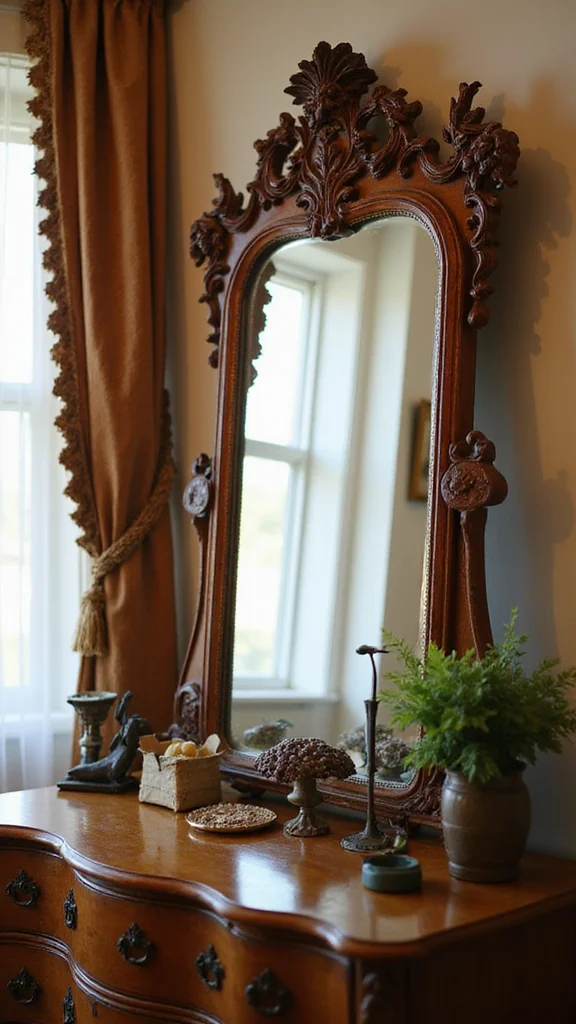
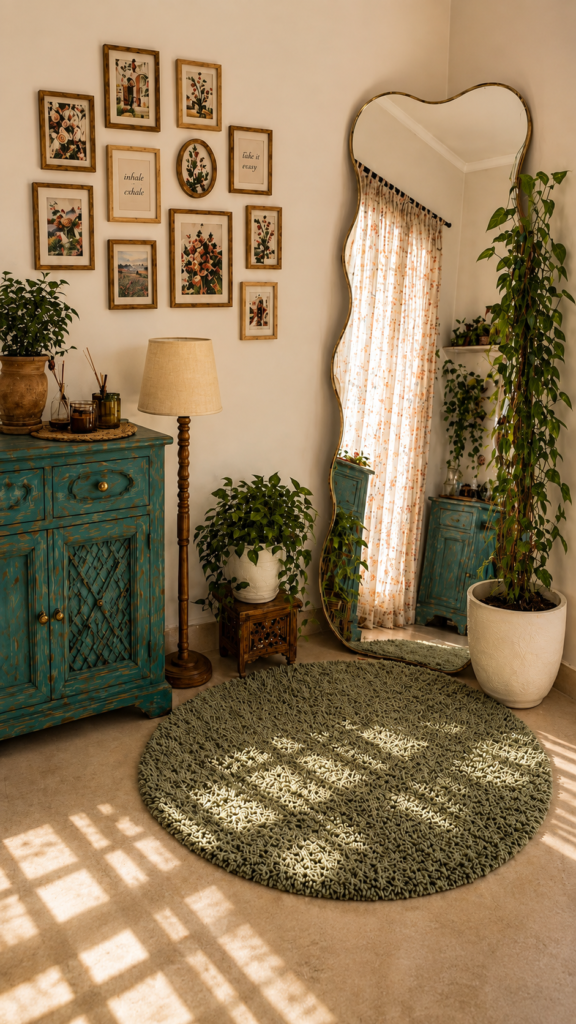
Leaning mirrors are particularly effective for making spaces feel larger and brighter. A tall mirror positioned against a wall reflects light and creates the illusion of expanded square footage. You can lean it directly against the wall or place it on a console table or dresser for added height and visual layering. This approach gives you flexibility to adjust the angle or reposition the mirror whenever you want a change.
Freestanding shelving units provide both storage and display opportunities without wall mounting. These units come in various styles, from industrial metal frames to minimalist wood designs. You can arrange them to create a gallery wall effect by displaying artwork, plants, books, and decorative objects across multiple shelves. The advantage is complete flexibility; you can rearrange items, adjust shelf heights, or move the entire unit to a different wall or room.
Leaning artwork against furniture or walls creates a casual, curated aesthetic that’s popular in contemporary design. Rather than hanging pieces symmetrically, you arrange them in a loose grouping on the floor or on a console table. This approach works well for renters who like to rotate their artwork or change their display frequently. It also eliminates the need to commit to specific wall placements.
Fabric and Textile Wall Treatments
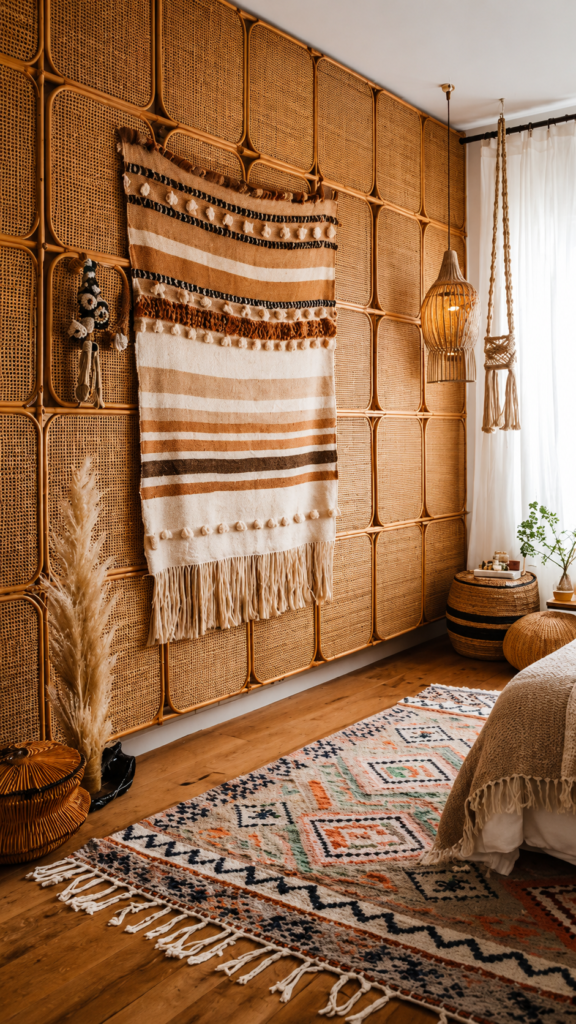
Fabric offers a soft, textural approach to wall decoration that’s entirely removable. Hanging tapestries, quilts, or large fabric panels transforms walls while adding warmth and acoustic benefits. Tapestries come in countless designs, from bohemian patterns to artistic prints, and they’re typically lightweight enough to hang with adhesive strips or removable hooks.
Fabric wall hangings work particularly well for covering large wall areas or creating focal points. A well-chosen tapestry can define a room’s aesthetic and serve as a conversation starter. The beauty of fabric is that it’s easy to change; you can swap out tapestries seasonally or whenever you want a fresh look. This makes it ideal for renters who like to refresh their space without major investment.
Hanging fabric requires minimal hardware. Adhesive strips rated for lightweight items work well for smaller tapestries. For heavier fabrics, removable hooks designed for renters provide secure hanging without wall damage. Some people use tension rods mounted inside window frames or between furniture pieces to hang fabric without any wall attachment at all.
Paint-Free Color and Pattern Solutions
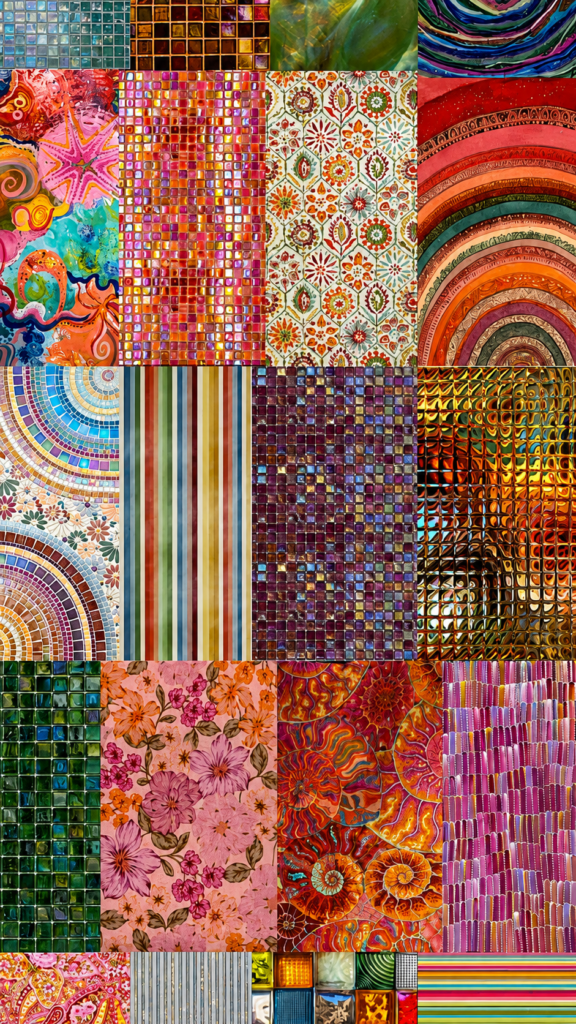
While painting walls is typically off-limits in rental agreements, you can introduce color and pattern through other means. Large fabric panels, removable wallpaper, and painted canvas pieces allow you to experiment with color without touching the walls themselves.
Canvas art offers a flexible way to add color and personality. You can purchase pre-made canvas prints or create your own using acrylic paint on blank canvas. Hanging canvas pieces with adhesive strips or removable hooks gives you the visual impact of painted walls without any permanent changes. Canvas art is also portable; you can take it with you when you move.
Painted wooden panels or boards provide another option. You paint designs or patterns on wood pieces, then hang them on your walls using damage-free methods. This approach gives you complete creative control over colors and designs while keeping your walls pristine. It’s particularly popular for creating accent walls or focal points in specific areas.
Lighting as Decorative Elements
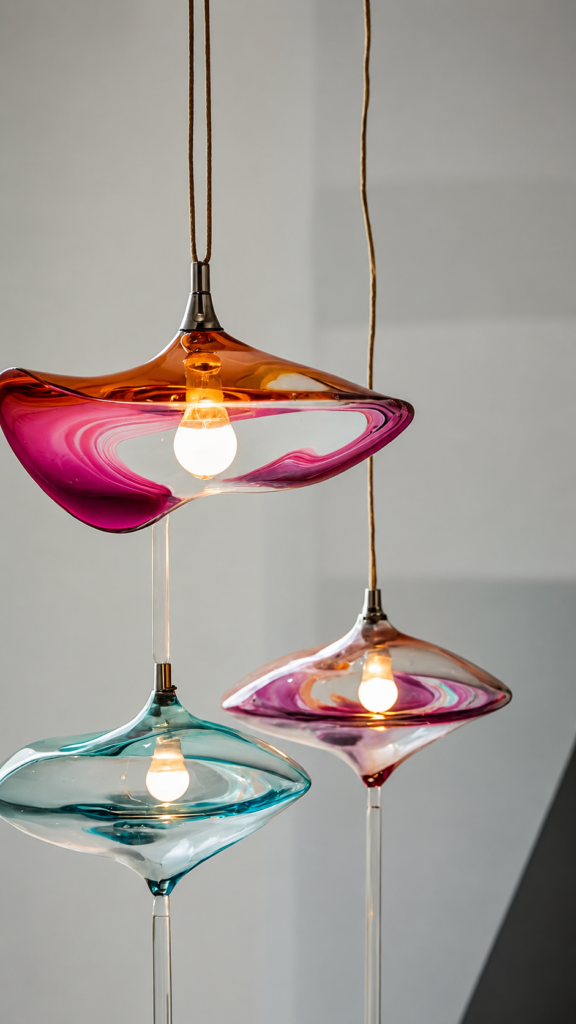
Strategic lighting transforms walls and creates ambiance while serving a practical purpose. String lights, LED strips, and decorative lamps add visual interest and warmth to rental spaces. These solutions are entirely removable and require only electrical outlets, making them ideal for renters.
String lights create a cozy, inviting atmosphere in bedrooms, living rooms, or entryways. They come in various styles, from warm white to colored options, and can be arranged in patterns or draped casually across walls. Battery-operated string lights eliminate the need for nearby outlets, offering maximum flexibility in placement.
LED strip lights provide a modern approach to wall lighting. These thin, flexible strips adhere to walls and can be arranged in patterns or along architectural features. They’re available in various colors and brightness levels, allowing you to create custom lighting effects. LED strips use minimal electricity and generate little heat, making them safe for rental apartments.
Gallery Walls Without Permanent Damage
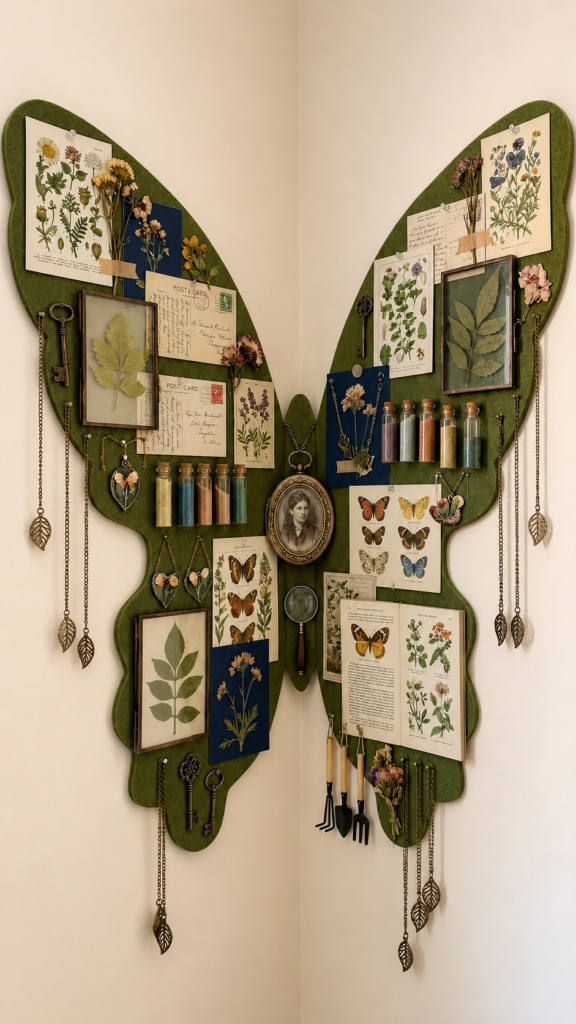
Creating a gallery wall is one of the most popular ways to personalize rental spaces. The key is using damage-free hanging methods while maintaining a cohesive, intentional design. Gallery walls work best when you plan the layout before hanging anything.
Start by gathering your artwork, prints, and decorative pieces. Arrange them on the floor in your desired configuration, taking photos to reference during installation. This planning step prevents mistakes and ensures your gallery wall looks intentional rather than random.
Use adhesive strips or removable hooks to hang each piece. Ensure you’re using products rated for the weight of each item. Heavier frames require more strips or stronger hooks. Spacing matters too; consistent gaps between pieces create a polished look, while varied spacing can feel more eclectic and artistic.
Common Mistakes and How to Avoid Them
Many renters make preventable mistakes when decorating walls. Understanding these pitfalls helps you achieve better results and protect your security deposit.
Using the wrong adhesive product is a common error. Not all adhesive strips are created equal, and using products not designed for your wall type or the weight you’re hanging leads to failure. Always check weight ratings and wall compatibility before purchasing. Testing products in inconspicuous areas first prevents visible damage.
Overloading adhesive strips causes them to fail. If hanging something heavy, use more strips than you think you need, properly spaced according to product instructions. Skimping on strips to save money often results in items falling and potentially damaging walls or the items themselves.
Applying adhesive products to dirty or dusty walls reduces their effectiveness. Clean your wall thoroughly with a dry cloth before applying any adhesive. For textured walls, you may need to use primer-based adhesive products or alternative hanging methods.
Frequently Asked Questions
Can I use nails or picture hangers in a rental apartment?
Most lease agreements prohibit nails and picture hangers because they leave holes in walls. However, some landlords are flexible about small nail holes that can be easily patched. Always check your lease and ask your landlord before using nails. If permitted, use the smallest nails possible and fill holes with spackle before moving out.
Will adhesive strips damage my paint?
Quality adhesive strips designed for renters are formulated to remove cleanly without damaging paint. However, if your paint is old, chalky, or already peeling, adhesive products may cause damage. Test in an inconspicuous area first. If your paint is compromised, use alternative methods like leaning artwork or freestanding furniture.
How long do adhesive strips last?
Most adhesive strips remain effective for several years. However, they may lose adhesion over time, particularly in humid environments or if the wall experiences vibration. If strips fail, simply remove them and apply new ones. It’s wise to check your wall decor periodically and replace strips as needed.
Can I hang heavy mirrors with adhesive strips?
Yes, but you need heavy-duty adhesive strips rated for the mirror’s weight. A large mirror may require multiple strips, properly spaced. Always follow product instructions and use more strips than you think necessary. If your mirror is extremely heavy, consider leaning it against a wall or furniture instead.
What’s the best way to remove adhesive residue?
If adhesive residue remains after removing strips, warm it slightly with a heat gun or hair dryer, then gently roll it off with your fingers. Avoid using sharp objects that could damage paint. For stubborn residue, rubbing alcohol on a cloth may help, but test it on an inconspicuous area first.
Are removable wallpapers truly damage-free?
Quality removable wallpapers are designed to peel away cleanly without damaging paint. However, if your paint is old or in poor condition, removal may cause damage. Test in a small area first. If your walls are compromised, use alternative methods like fabric hangings or canvas art.