
In today’s world, the desire for sustainable living is stronger than ever. Whether you’re redecorating a single room or overhauling your entire home, the push for eco-friendly choices is more than just a trend; it’s a lifestyle shift. I created this post because I believe that decorating your space shouldn’t just be about aesthetics, but also about making choices that are kind to our planet. You might be craving a fresh look, but why not have that beautiful environment double as a step toward sustainability?
If you’re someone who loves home decor and cares about the impact of your choices, you’re in the right place. This post is tailored for individuals who value both style and the environment. You’ll discover 21 sustainable decorating trends that align with your values while adding beauty and functionality to your home.
Get ready to explore a range of ideas that will help you create a space you love without compromising your commitment to the planet. From biophilic designs that bring nature indoors to upcycled furniture that sparks creativity, I’ve pulled together a collection of options that are stylish, practical, and environmentally friendly. It’s time to transform your home into a sustainable haven you can truly be proud of!
Key Takeaways
– Biophilic Design: Incorporating elements of nature helps create a calming environment, making your home feel more inviting and connected to the outdoors.
– Upcycled Furniture: This trend promotes creativity and resourcefulness, allowing you to craft unique pieces while reducing waste.
– Eco-Friendly Textiles: Look for materials that are sustainable and gentle on the environment, providing comfort without harming the planet.
– Energy Efficiency: Focus on designs that optimize energy usage. Smart features and thoughtful layouts can save you money and reduce your carbon footprint.
– Seasonal Decor: Embrace changes throughout the year with decorations that reflect the seasons, keeping your home fresh and aligned with nature’s cycles.
Contents
- 1. Biophilic Design: Nature in Your Home
- 2. Upcycled Furniture: Creativity at Its Best
- 3. Eco-Friendly Textiles: Soft on the Environment
- 4. Sustainable Color Palettes: Earthy Tones for Serenity
- 5. Natural Light Optimization: Bringing the Outdoors In
- 6. Minimalism: Less is More
- 7. Smart Home Features: Eco-Conscious Technology
- 8. Eco-Friendly Paints: Color Your World Sustainably
- 9. Sustainable Accessories: Thoughtful Touches
- 10. Outdoor-Inspired Decor: Nature Meets Home
- 11. Vintage Charm: Timeless Pieces for Modern Homes
- 12. Focusing on Energy Efficiency: Smart Design Choices
- 13. Cultural Diversity in Decor: Celebrate Your Heritage
- 14. Eco-Friendly Lighting: Illuminate Sustainably
- 15. Smart Storage Solutions: Declutter Responsibly
- 16. Handcrafted Decor: Artisanal Touches
- 17. Garden-Inspired Decor: Fresh from Nature
- 18. Global Style: A Worldly Aesthetic
- 19. Smart Use of Space: Designing for Small Homes
- 20. Eco-Friendly Flooring: Sustainable Underfoot
- 21. Seasonal Decor: Change with the Seasons
1. Biophilic Design: Nature in Your Home
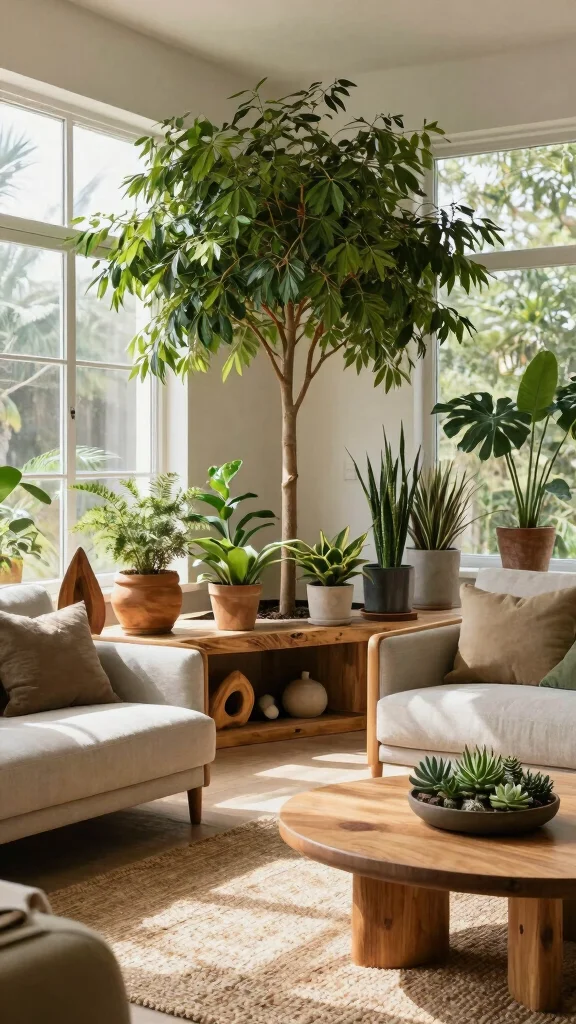
Biophilic design beautifully intertwines nature with our living spaces, fostering a deep connection to the environment. This approach is effective because it utilizes natural materials like wood, stone, and vibrant plants, creating a serene atmosphere that soothes the mind and spirit. For instance, pairing a rich wooden table with lush greenery can transform your dining area into a refreshing oasis.
To embrace this trend, consider adding statement houseplants like monstera or peace lilies to your home. Incorporate woven baskets or linen textiles for an added layer of texture, enhancing the organic feel of your space. This design not only elevates aesthetics but also purifies the air and uplifts your mood.
Consider these elements to maximize biophilic design:
– Incorporate a variety of indoor plants for diverse textures.
– Choose furniture crafted from natural materials like reclaimed wood.
– Use large windows to welcome ample sunlight.
This thoughtful integration of nature elevates your home’s beauty and creates a calming retreat filled with warmth and life.
2. Upcycled Furniture: Creativity at Its Best
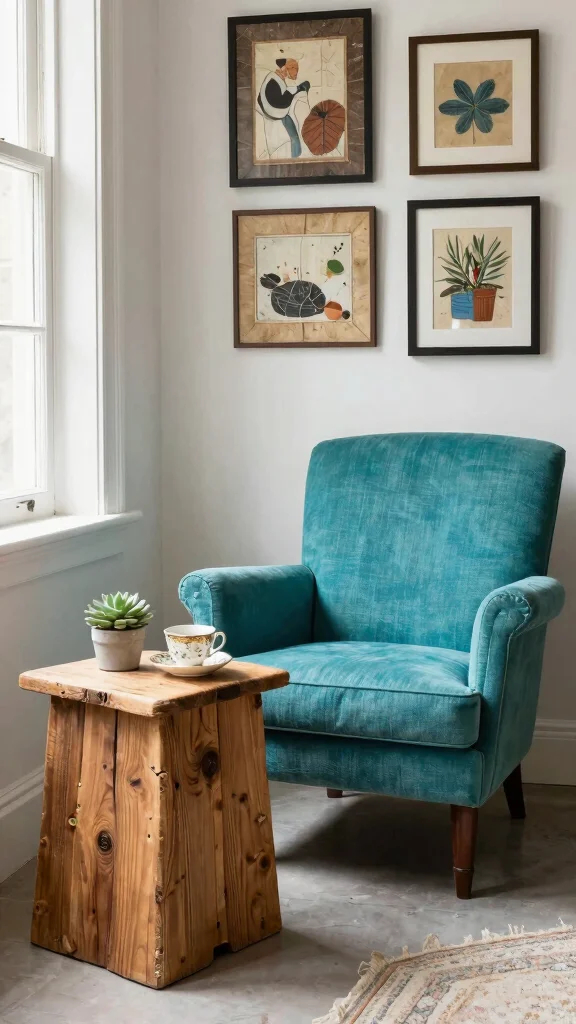
Upcycled furniture allows you to breathe new life into old items, making it a sustainable choice that adds character to your home. This creative approach works because it transforms vintage finds into unique pieces, each with a story to tell. Imagine an antique trunk repurposed as a chic coffee table or a bright-colored chair that adds a pop of personality to your space.
To get started, visit local thrift stores or flea markets for hidden treasures waiting to be revitalized. Embrace DIY projects using eco-friendly paints to infuse your style into these pieces. This trend not only promotes sustainability but also provides a personal touch to your decor.
For upcycling success, consider these tips:
– Sand surfaces for a smooth finish before painting.
– Combine various colors for a fun, eclectic vibe.
– Utilize stencils to create unique patterns on furniture.
Each upcycled piece enriches your home with history and individuality, making your space truly yours.
3. Eco-Friendly Textiles: Soft on the Environment
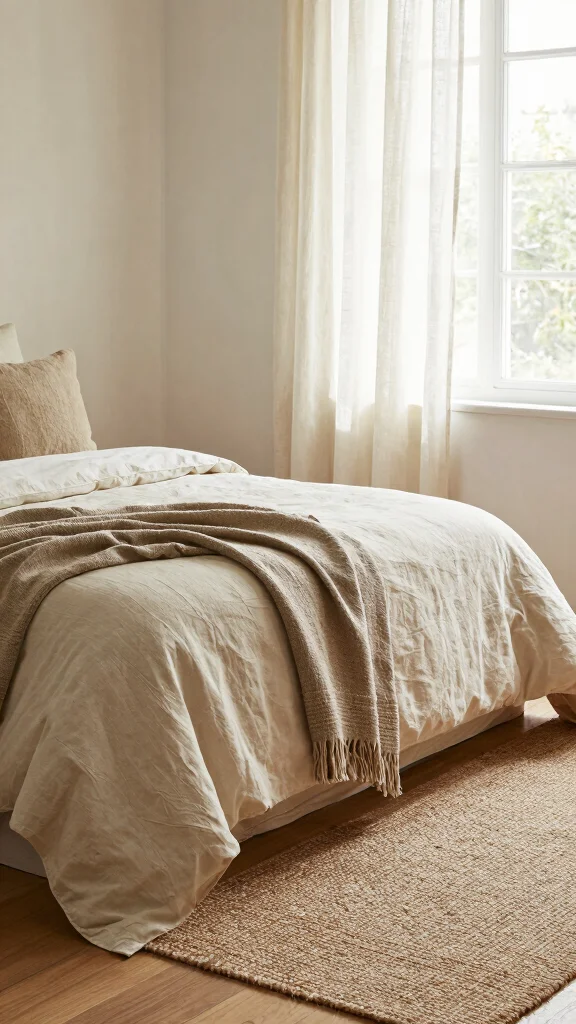
Incorporating eco-friendly textiles into your home is a wonderful way to embrace sustainability while enhancing comfort. Opting for materials like organic cotton, linen, or hemp ensures that your fabrics are free from harmful chemicals. These textiles are perfect for cozy pillows, curtains, and bedding, adding warmth and style to your space.
When choosing textiles, research brands that prioritize ethical practices and consider the lifecycle of the materials. Select items dyed with natural pigments to further support eco-conscious choices. This not only beautifies your home but also contributes positively to the environment.
Elevate your textile choices with these suggestions:
– Mix textures for added depth and visual interest.
– Stick to neutral colors for a timeless appeal.
– Care for your textiles mindfully to prolong their life.
The right textiles not only soften your space but also embody a commitment to sustainability, enriching your home with style and conscience.
4. Sustainable Color Palettes: Earthy Tones for Serenity

Selecting a sustainable color palette can significantly influence the mood of your home. Earthy tones like muted greens, warm browns, and soft creams create a calming backdrop that complements various design styles. These colors promote a sense of tranquility while echoing the beauty of the natural world.
When refreshing your space, opt for low-VOC paints to minimize harmful emissions. Accent with brighter colors through artwork and accessories, allowing your main palette to remain grounded and serene. This balance creates a harmonious environment that feels welcoming and peaceful.
Use these tips for effective color selection:
– Utilize color swatches to visualize your design effectively.
– Balance bold tones with neutrals for a cohesive look.
– Choose colors that evoke comfort and calmness.
A well-chosen color palette enhances your home’s aesthetics while nurturing a soothing atmosphere.
5. Natural Light Optimization: Bringing the Outdoors In
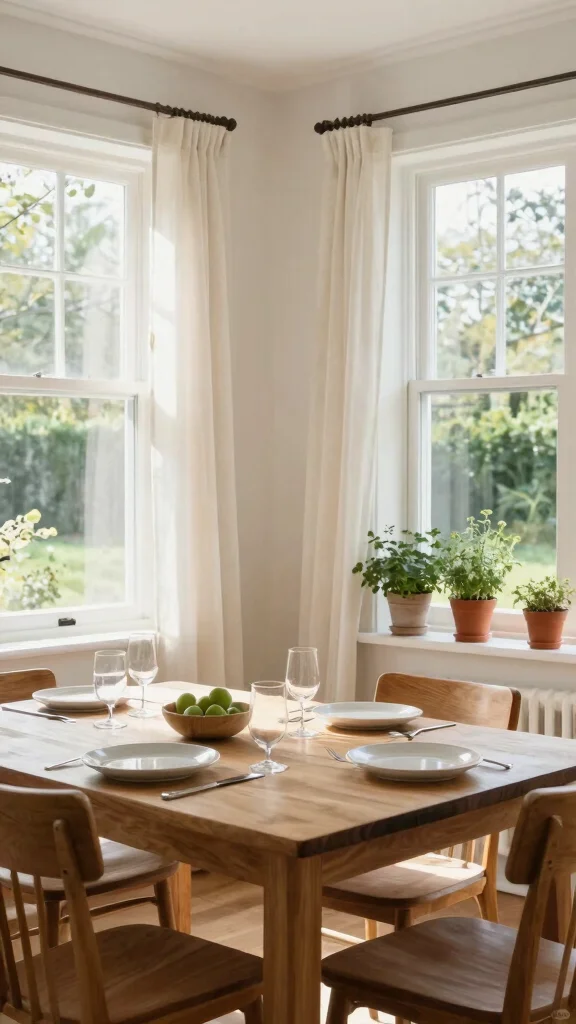
Maximizing natural light in your home creates an inviting and airy atmosphere while reducing energy costs. By strategically placing mirrors, you can reflect and amplify sunlight throughout your space, creating warmth and brightness. Choosing lighter colors for your walls and furniture further enhances this effect.
When designing your layout, prioritize window placement and consider open floor plans to promote light flow. Opt for sheer curtains that allow sunlight to filter in without sacrificing your privacy. This approach not only brightens your home but also fosters a connection with the outdoors.
Implement these strategies for optimal natural light:
– Keep window areas free from obstructions.
– Use large mirrors to bounce light around the room.
– Select light-colored furnishings to reflect brightness.
Embracing natural light not only beautifies your space but also creates a healthier, more vibrant environment.
6. Minimalism: Less is More
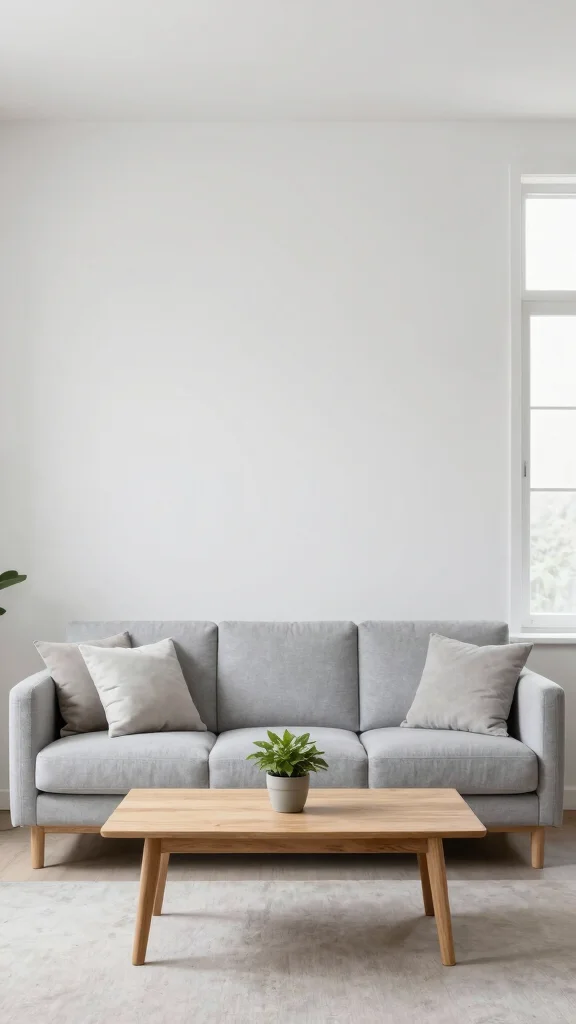
Minimalism champions simplicity and functionality, allowing you to cultivate spaces that feel open and uncluttered. By investing in fewer, high-quality pieces, you can reduce waste while enjoying a more intentional home. Imagine a stylish storage ottoman that serves as both seating and a place to store items, perfect for promoting a serene environment.
Keep decor simple with neutral colors and thoughtful accents, ensuring each piece serves a purpose. Regularly declutter to maintain an airy feel and use clever storage solutions to hide away excess items. This approach enhances flow and functionality throughout your home.
Discover minimalism with these tips:
– Declutter frequently to preserve open spaces.
– Utilize storage solutions to conceal unnecessary items.
– Embrace negative space as an essential design element.
A minimalist approach not only simplifies your home but also creates a peaceful sanctuary that invites relaxation.
7. Smart Home Features: Eco-Conscious Technology
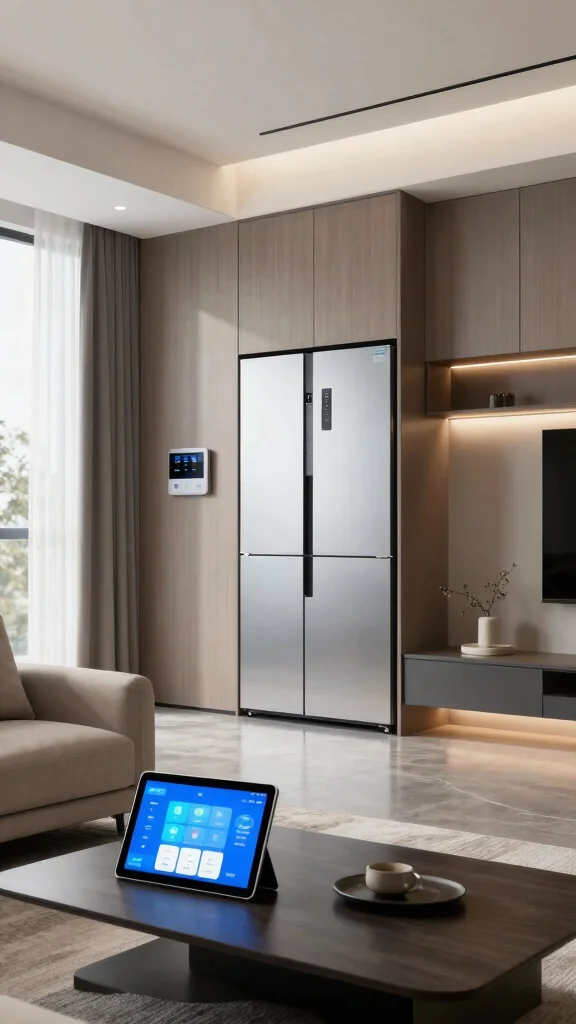
Integrating smart technology in your home enhances energy efficiency and contributes to sustainable living. Smart thermostats, lighting, and appliances let you monitor and control energy use conveniently. For example, programmable thermostats can adjust your home’s temperature based on your schedule, conserving energy when you’re not home.
Additionally, LED smart bulbs are energy-efficient and offer customizable lighting options. While the initial investment may seem high, the long-term savings make it worthwhile. This technology not only reduces your ecological footprint but also simplifies your daily routine.
Consider these smart home tips:
– Research technology that aligns with your lifestyle.
– Ensure compatibility with existing devices before buying.
– Utilize apps to monitor and manage energy consumption.
Embracing smart technology enhances your home’s comfort while promoting a sustainable lifestyle.
8. Eco-Friendly Paints: Color Your World Sustainably
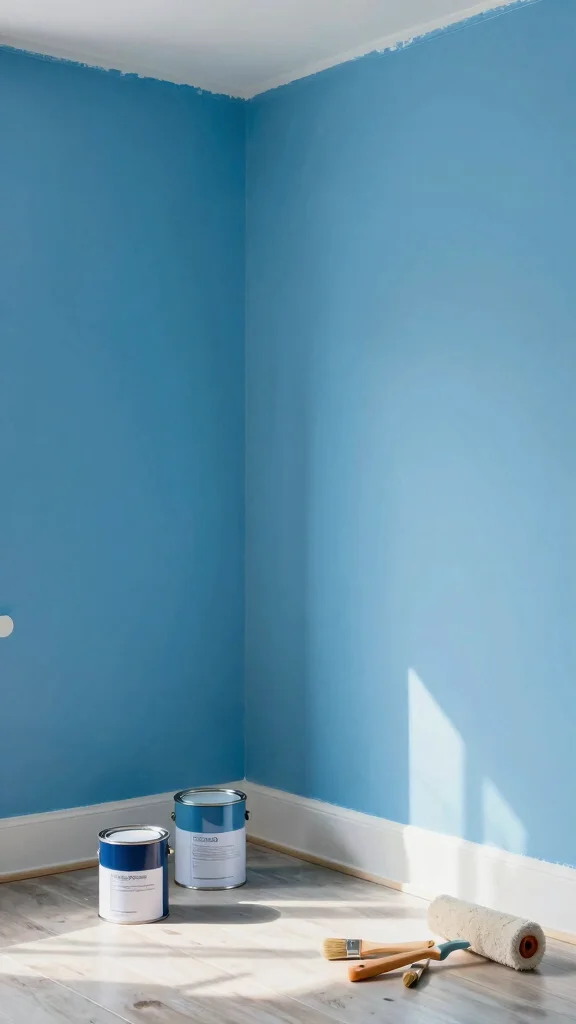
Choosing eco-friendly paint is vital for creating a healthy environment in your home. Low-VOC or no-VOC paints help reduce indoor air pollution, ensuring a safe space for your family. Many brands now offer sustainable paint colors that don’t compromise on aesthetic appeal.
When selecting paint, pay attention to the finish; matte finishes often require fewer coats, minimizing waste. Additionally, consider using natural paint strippers for cleanup to maintain eco-friendly practices. This approach allows you to refresh your space while caring for the planet.
Keep these paint tips in mind:
– Test small areas to find your ideal shade.
– Plan your project to limit leftover paint.
– Select eco-friendly tools like brushes and rollers for application.
Sustainable paint options enhance your home’s beauty while fostering a healthier atmosphere.
9. Sustainable Accessories: Thoughtful Touches
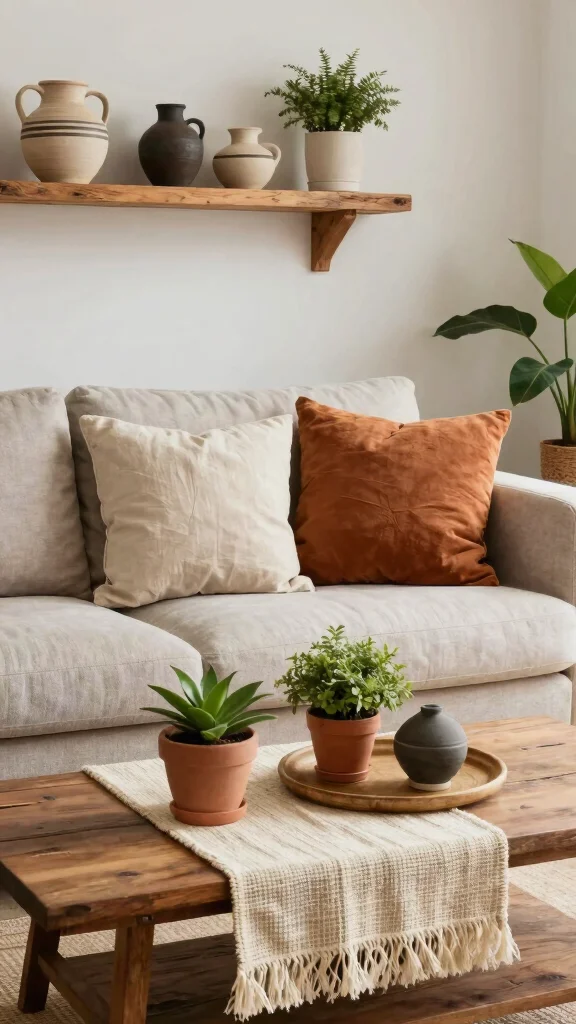
Accessorizing with sustainable decor adds a personal touch to your home while remaining environmentally conscious. Look for items crafted from recycled materials, such as vases made from reclaimed glass or art pieces from upcycled wood. Handmade goods from local artisans can also provide uniqueness and support small businesses.
Consider using sustainable textiles like organic cotton for beautiful curtains and throw pillows. Every thoughtful choice contributes to a home that reflects your values and style.
Explore these accessory tips:
– Mix various textures for added interest.
– Choose versatile pieces that can be styled multiple ways.
– Showcase personal treasures to add character.
Sustainable accessories enrich your space, making it distinctly yours while promoting eco-friendliness.
10. Outdoor-Inspired Decor: Nature Meets Home
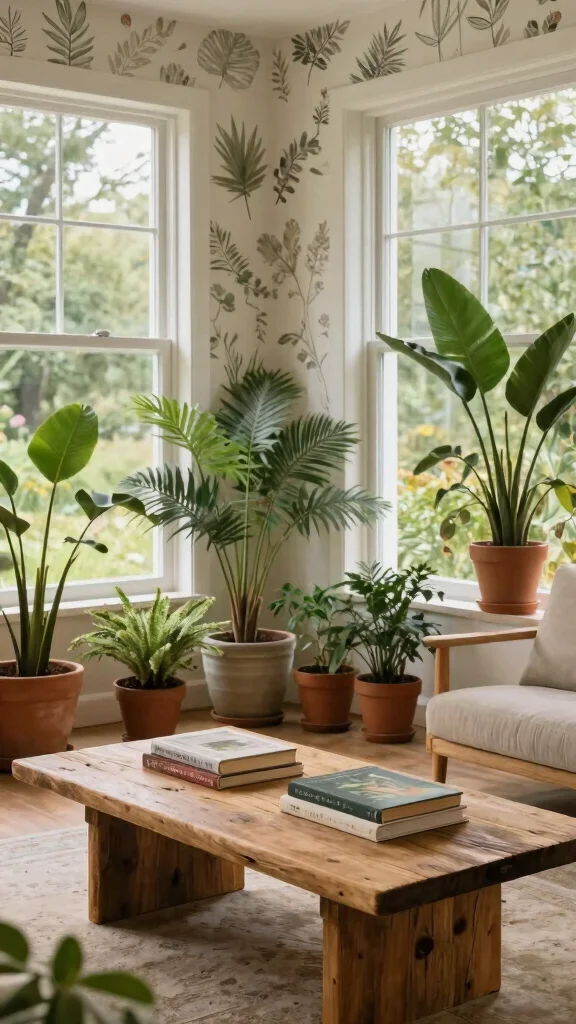
Embracing outdoor-inspired decor is a delightful way to infuse your home with the beauty of nature. Incorporate elements like driftwood, stones, or ceramics that evoke an organic feel. Botanical prints or nature-themed artwork can remind you of serene landscapes, enhancing your living space.
Furniture made from reclaimed wood or sustainable materials further strengthens this connection with the outdoors. Earthy color palettes can also reflect outdoor elements, seamlessly blending your indoor and outdoor environments.
Enhance your decor with these tips:
– Use natural materials for furniture and accents.
– Embrace patterns and textures inspired by nature.
– Create an indoor garden with potted plants for a lively touch.
This nature-inspired approach not only beautifies your home but also fosters a sense of tranquility and harmony.
11. Vintage Charm: Timeless Pieces for Modern Homes
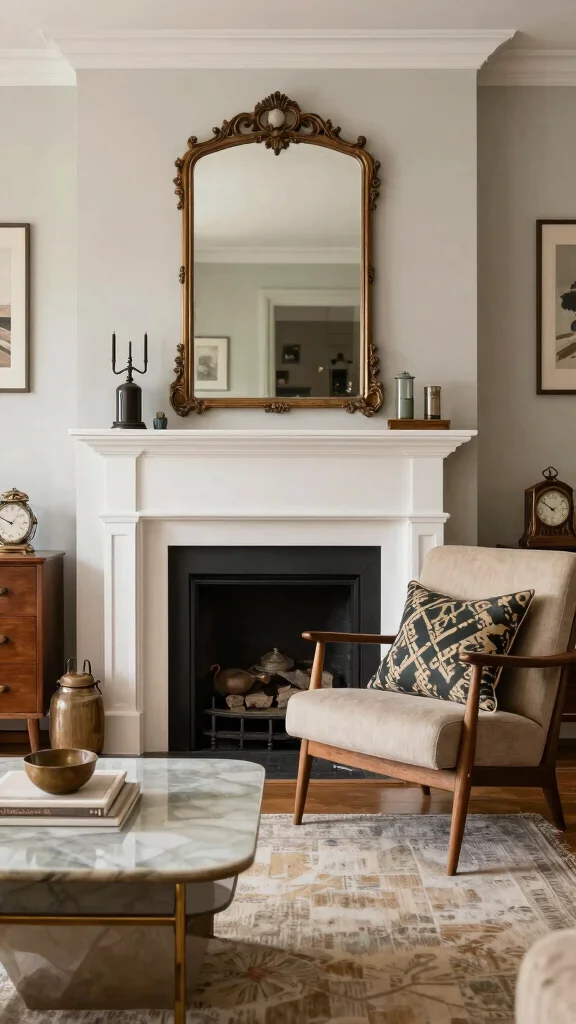
Incorporating vintage decor adds character and charm to your home, inviting warmth and nostalgia. Scouring antique shops or flea markets can lead to beautiful finds that tell a story. Integrating vintage pieces not only promotes sustainability by reusing items but also brings unique personality to your space.
Consider blending vintage with modern decor for an eclectic yet balanced aesthetic. A mid-century chair or an antique mirror can serve as stunning focal points that spark conversation.
Use these vintage tips for a cohesive look:
– Seek out well-crafted items for lasting quality.
– Pair vintage styles with contemporary elements for a fresh take.
– Restore treasures when possible to preserve their charm.
Embracing vintage decor enriches your home with history and individuality, making it truly special.
12. Focusing on Energy Efficiency: Smart Design Choices
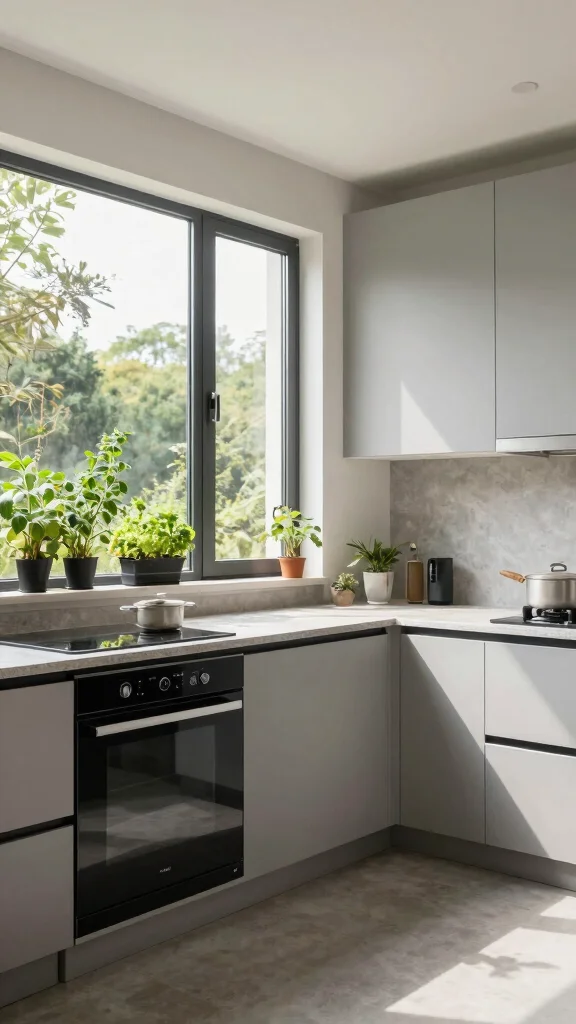
Prioritizing energy-efficient design choices is essential for sustainable living. Consider installing energy-efficient windows, proper insulation, and Energy Star appliances to significantly reduce energy consumption. Incorporating passive solar design principles can enhance your home’s natural light and heat, minimizing reliance on artificial heating and cooling.
Simple changes, like using draft stoppers or sealing windows, can make a significant impact on energy usage. This conscious approach not only reduces your bills but also contributes to a healthier planet.
Follow these energy efficiency tips:
– Conduct an energy audit to identify areas for improvement.
– Replace old appliances with energy-efficient models for better performance.
– Utilize programmable thermostats to regulate heating and cooling effectively.
Smart design choices lead to a more sustainable home, reducing your ecological footprint while enhancing comfort.
13. Cultural Diversity in Decor: Celebrate Your Heritage
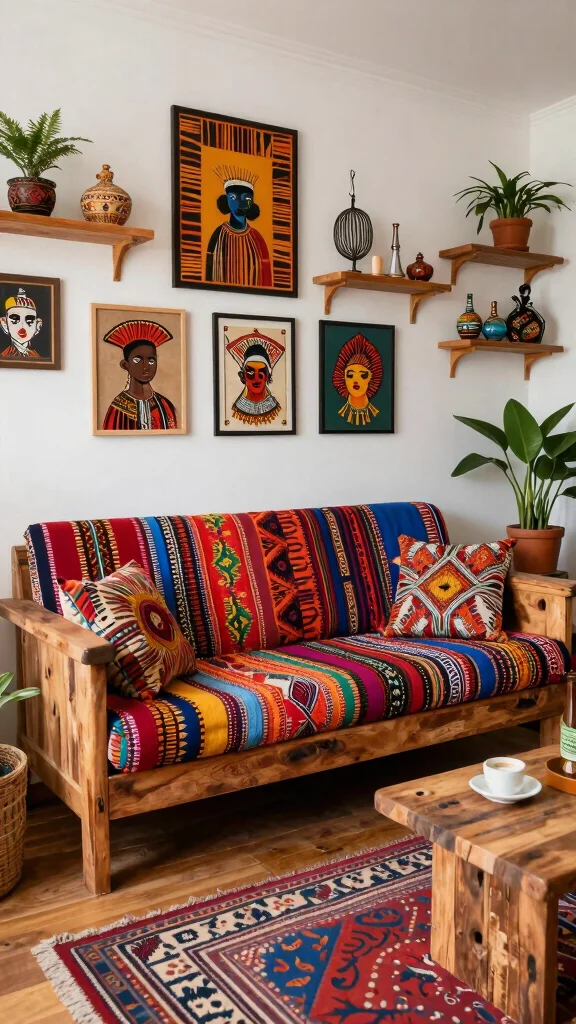
Incorporating elements from diverse cultures into your decor creates a rich, globally-inspired home. Use textiles featuring traditional patterns, handcrafted items, or artwork that reflects your heritage or travels. Supporting artisans from different cultures not only enriches your decor but also promotes ethical consumerism.
Choose pieces that tell a story and resonate with your personal experiences, adding layers of meaning to your home. This approach fosters a sense of belonging and appreciation for global diversity.
Enhance your cultural decor with these tips:
– Mix and match patterns and colors for a vibrant aesthetic.
– Research the background of each piece to understand its significance.
– Weave a narrative through your decor selections to create cohesion.
Embracing cultural diversity in decor enriches your home with character and connection to the world.
14. Eco-Friendly Lighting: Illuminate Sustainably
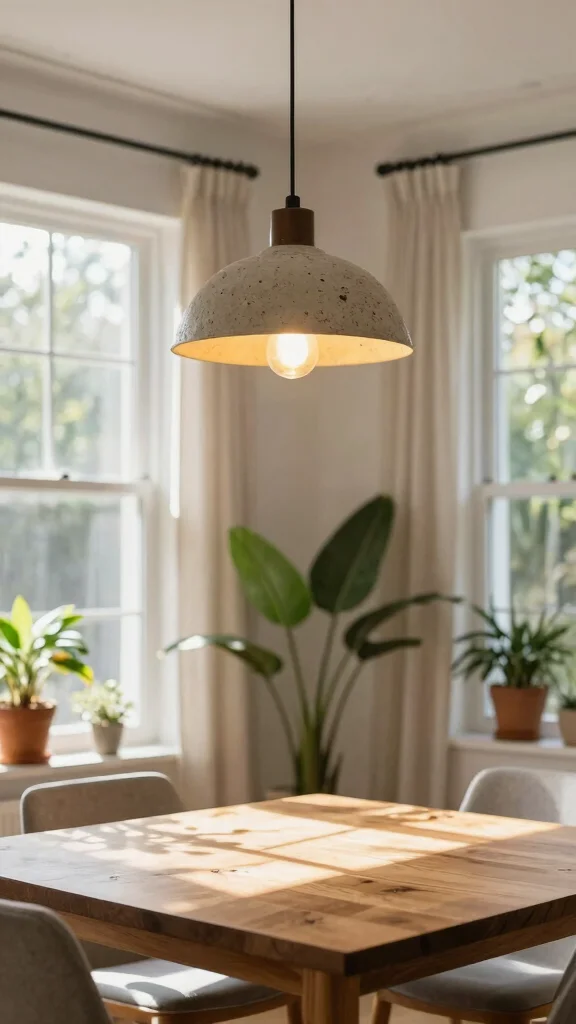
Sustainable lighting options are crucial for modern, eco-friendly homes. Opt for LED bulbs that last longer and consume less energy, significantly reducing both your carbon footprint and electricity bills. Solar-powered outdoor lighting can beautifully enhance your garden or patio while harnessing renewable energy.
For indoor spaces, explore fixtures made from sustainable materials like bamboo or recycled metals to add a stylish touch. Maximizing natural light is also essential, so keep window treatments light and airy to invite the sun in.
Use these lighting tips for optimal results:
– Seek out fixtures designed for energy efficiency.
– Incorporate dimmers to control brightness and save energy.
– Strategically position mirrors to reflect light and brighten spaces.
Eco-friendly lighting not only enhances your home’s ambiance but also contributes to a sustainable lifestyle.
15. Smart Storage Solutions: Declutter Responsibly
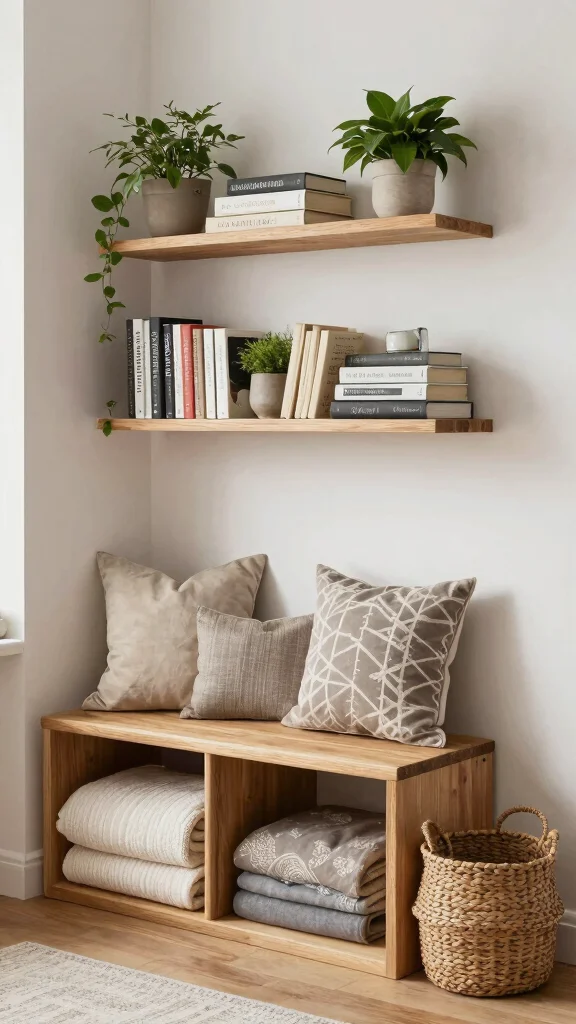
Finding smart storage solutions is key to maintaining a tidy, eco-friendly home. Choose multi-functional furniture, such as benches with hidden compartments or ottomans that double as storage, to maximize space. Built-in shelves or cabinetry made from sustainable materials can keep your items organized while looking chic.
Repurposing old furniture into storage solutions is a great way to maintain a sustainable design. Evaluate your belongings to ensure everything has a designated spot, reducing clutter over time.
Explore these storage tips for a clean home:
– Use baskets or bins made from natural materials for stylish organization.
– Label storage areas for easy access to items.
– Regularly declutter to keep your space tidy and functional.
Smart storage solutions not only enhance organization but also contribute to a more sustainable lifestyle.
16. Handcrafted Decor: Artisanal Touches

Choosing handcrafted decor items adds a unique and personal touch to your home. Supporting local artists and their sustainable practices provides character and warmth to your space. Look for handmade pottery, woven textiles, or custom furniture that reflects your style and values.
Every artisanal piece tells a story, making your home feel inviting and special. The quality of craftsmanship often results in longer-lasting items that enhance your decor.
Discover handcrafted decor with these tips:
– Visit local markets and craft fairs for one-of-a-kind finds.
– Select items that resonate with your personal aesthetic.
– Mix handcrafted pieces with other styles for a personalized touch.
Handcrafted decor enriches your living space, making it a true reflection of you.
17. Garden-Inspired Decor: Fresh from Nature
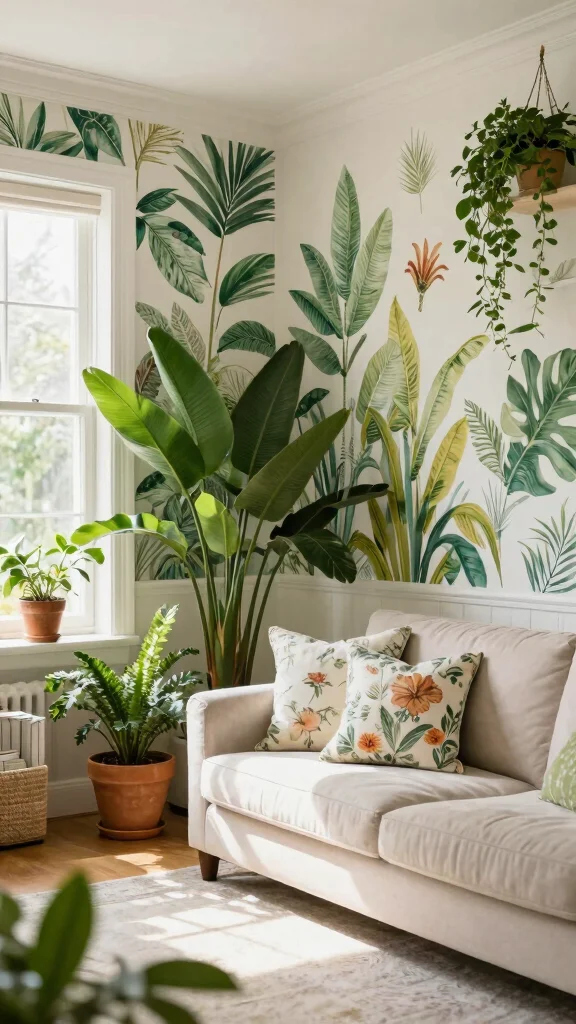
Incorporating garden-inspired decor brings the beauty of the outdoors into your home. Use botanical prints, floral patterns, and nature-inspired colors to evoke a lush garden feel. Consider using planters made from sustainable materials to showcase your favorite indoor plants.
Items like floral-patterned cushions or nature-themed artwork can add vibrancy and freshness to your space. This trend encourages a connection with nature and creates a serene environment.
Enhance your garden decor with these tips:
– Combine various shades of green for a cohesive look.
– Use natural materials like wood and stone to enhance the outdoor feel.
– Regularly care for your plants to keep your indoor garden thriving.
Garden-inspired decor not only beautifies your home but also fosters a sense of tranquility and harmony.
18. Global Style: A Worldly Aesthetic

Bringing global influences into your decor creates a rich, layered aesthetic that feels both unique and personal. Integrate textiles, art, or accessories from different cultures to celebrate diversity in your home. Items like Moroccan poufs, Indian block-printed cushions, or handcrafted baskets can add warmth and character.
Mixing and matching these elements creates a dynamic space that reflects your journey and style. Using a cohesive color palette can tie everything together, ensuring a harmonious look.
Explore global style with these tips:
– Choose pieces that resonate with your personal experiences.
– Use a consistent color scheme to unify the decor.
– Embrace varied textures and materials for a well-rounded aesthetic.
Global style enriches your home with character and a sense of connection to the world.
19. Smart Use of Space: Designing for Small Homes
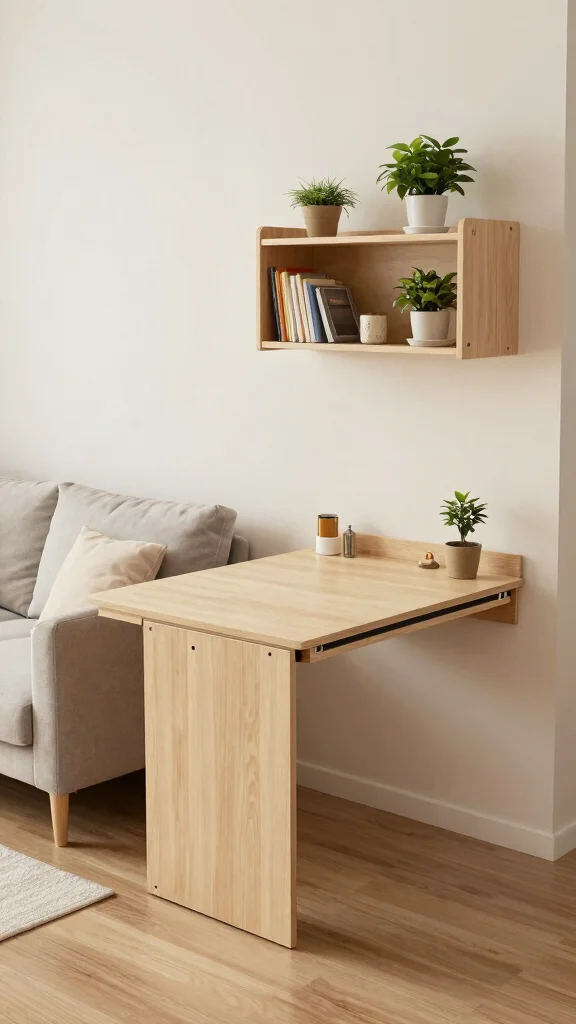
In small homes, every inch counts, making smart space utilization essential. Opt for furniture that serves multiple purposes, like a dining table that doubles as a workspace. Vertical storage solutions help maximize space while keeping things organized and accessible.
Consider built-in shelving or wall-mounted desks to free up floor space and enhance functionality. Thoughtful layout choices can improve flow, making your home feel larger and more inviting.
Use these space tips for better organization:
– Employ light colors to create an illusion of more space.
– Keep decor minimal and purposeful to avoid clutter.
– Invest in versatile furniture that enhances usability.
Smart use of space makes your home more functional while maintaining a welcoming atmosphere.
20. Eco-Friendly Flooring: Sustainable Underfoot
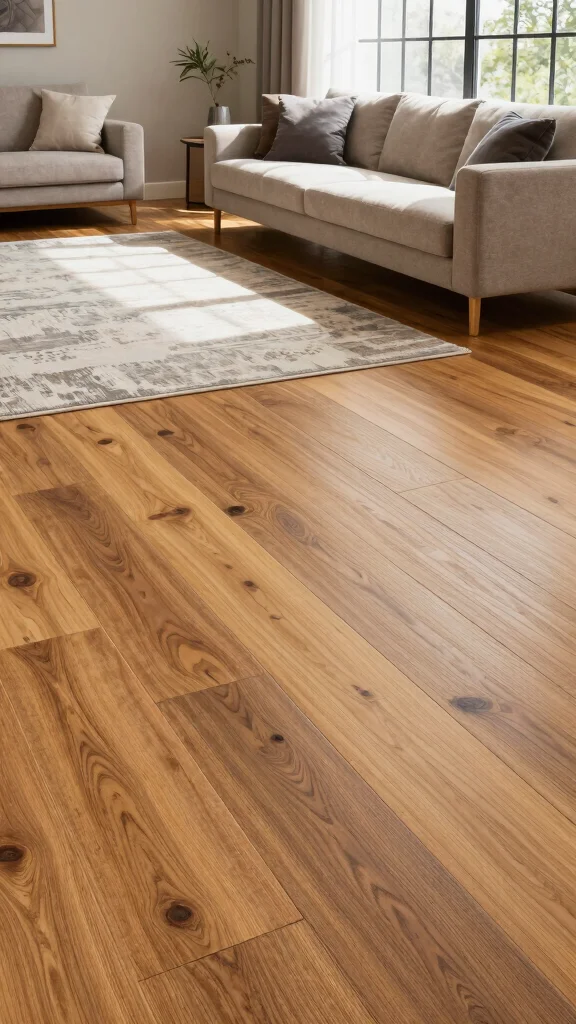
Choosing flooring with sustainability in mind can significantly impact your home’s environmental footprint. Options like bamboo and cork are renewable resources that offer durability and style. Reclaimed wood flooring adds character and history while reducing waste from new materials.
When selecting flooring, look for certifications that ensure eco-friendly practices were followed in production. Sustainability doesn’t compromise style; these materials come in a variety of beautiful finishes to suit your taste.
Keep these flooring tips in mind:
– Consider the maintenance needs of different materials.
– Use area rugs to define spaces and add warmth.
– Research flooring options to ensure long-lasting quality.
Eco-friendly flooring enhances your home’s beauty while supporting a sustainable lifestyle.
21. Seasonal Decor: Change with the Seasons

Embracing seasonal decor can keep your home feeling fresh and vibrant throughout the year. Incorporate natural elements like branches, seasonal flowers, and pumpkins to create beautiful displays that reflect the changing seasons. Opt for items that transition easily from one season to the next, such as neutral base pieces that can be adorned differently with each season.
Consider using natural dyes for fabric items or handmade decorations to reduce environmental impact. This approach allows you to celebrate the seasons while maintaining a sustainable focus.
Use these seasonal decor tips:
– Rotate decor items regularly to keep the space feeling new.
– Utilize natural, locally sourced materials for seasonal displays.
– Create a themed color palette to guide your decor choices.
Seasonal decor not only revitalizes your space but fosters a deep connection with nature’s cycles.
Conclusion: Your Sustainable Home Awaits!

Adopting sustainable decorating trends is not just a passing fad; it’s a lifestyle choice that enhances the beauty of your home while being mindful of the environment.
By incorporating these ideas into your space, you create a personal sanctuary that reflects your values and style. From biophilic designs to unique upcycled pieces, every choice you make contributes to a healthier planet. So, what trends are you excited to try in your home?
Frequently Asked Questions
What sustainable decorating trends should I try in my home this year?
There are several trends that blend style with eco-friendly materials and eco-friendly choices. Think biophilic design with easy-to-care plants, warm natural materials, and upcycled or reclaimed furniture. Start by auditing your space, pick 1-2 trends per room, and layer texture with natural fibers like linen, jute, and wool. When shopping, prioritize eco-friendly materials and durable finishes. Small updates like switching to LED lighting and using low-VOC paints can make a big impact without breaking the bank.
Which eco-friendly materials are best for updating a living room on a budget?
Looking for a budget-friendly update? Try versatile eco-friendly materials that wear well and age gracefully: cork, bamboo, rattan, jute rugs, linen or organic cotton upholstery, reclaimed wood for a coffee table, and recycled metal accents. Shop secondhand or upcycle what you have, refinish existing furniture, and choose durable finishes and low-VOC paints on walls and wood. Layer textures with affordable textiles to refresh a space without a full makeover.
How can I decorate my outdoor spaces with sustainable ideas using mulch guide and natural materials?
Our outdoor spaces can shine with eco-friendly choices. Start with a simple mulch guide to pick the right mulch color and texture, which helps conserve moisture and reduce weeds. Pair mulch with durable planters made of recycled plastic, stone, or sustainably harvested wood. Use native plants to cut water use and create year-round interest. Add seating from reclaimed wood or powder-coated metal. Finish with rain barrels and energy-saving outdoor lighting.
How do I mix sustainability with style when buying furniture and textiles?
Focus on materials and durability. Look for FSC-certified wood, non-toxic finishes, and fabrics with certifications like GOTS or OEKO-TEX. Buy fewer, better pieces and repurpose items you already own. Choose versatile shapes and modular designs that adapt over time. Maintain pieces with proper care to extend life.
How can I create a cohesive eco-friendly color palette across rooms?
Start with a natural, neutral base and layer with warm earthy tones. Use color from nature—sage greens, terracotta, navy, and charcoal—paired with materials like wood, stone, and linen. Bring continuity with repeated motifs in textiles, wall art, and hardware. Add living greenery for pops of color. Keep sustainability by selecting durable paints (low-VOC) and ready-to-use pigments.