
Creating a peaceful home is an art, and one of the best ways to achieve that is through the magic of plants. As someone who loves cozy spaces filled with life, I’ve been diving deep into the world of Feng Shui and how it can transform our homes. If you’re searching for ways to infuse harmony and positive energy into your living environment, this post is for you.
You might be wondering how to choose houseplants for low light areas or how to arrange them for the best energy flow. Well, you’re in luck! I’ve gathered 15 essential Feng Shui plant decor tips that will not only beautify your space but also enhance your wellbeing. You’ll learn how to select the right plants, where to place them, and even how to maintain them, all while embracing the lush, green energy they bring to your home.
So, get ready to discover practical, actionable tips that will help you create a harmonious home filled with serenity and joy. No matter your level of experience with plants, you’ll find something here that resonates with your personal style and living situation. Let’s nurture your home together!
Key Takeaways
– Choose the Right Plants: Not all plants thrive in low light. Select options like snake plants or pothos that can flourish in darker areas, bringing life to your home.
– Incorporate Plants in Layout: Strategically place plants in your living room to create inviting areas. They can soften spaces and promote relaxation.
– Balance Elements with Plants: Use plants to harmonize the five Feng Shui elements—wood, fire, earth, metal, and water, adding depth and balance to your decor.
– Hang Plants for Dimension: Elevate your plant game by hanging them. This not only saves space but also adds visual interest and draws the eye upward.
– Maintain Your Plants: Regular care is key. Keeping plants healthy ensures they continue to promote positive energy and harmony in your home.
Contents
- 1. Choose the Right Plants for Low Light Areas
- 2. Incorporate Plants in Your Living Room Layout
- 3. Utilize Plants to Define Spaces
- 4. Hang Plants for Added Dimension
- 5. Use Plants to Balance Elements
- 6. Place Plants in the Wealth Corner
- 7. Avoid Sharp-Leaf Plants
- 8. Incorporate Fragrant Plants for Positive Vibes
- 9. Create a Plant Shelfie
- 10. Use Plants to Refresh Air Quality
- 11. Choose Seasonal Plants for Variety
- 12. Group Plants for Cohesion
- 13. Personalize with Unique Planters
- 14. Keep Plants Well-Maintained
- 15. Embrace the Green Energy
1. Choose the Right Plants for Low Light Areas
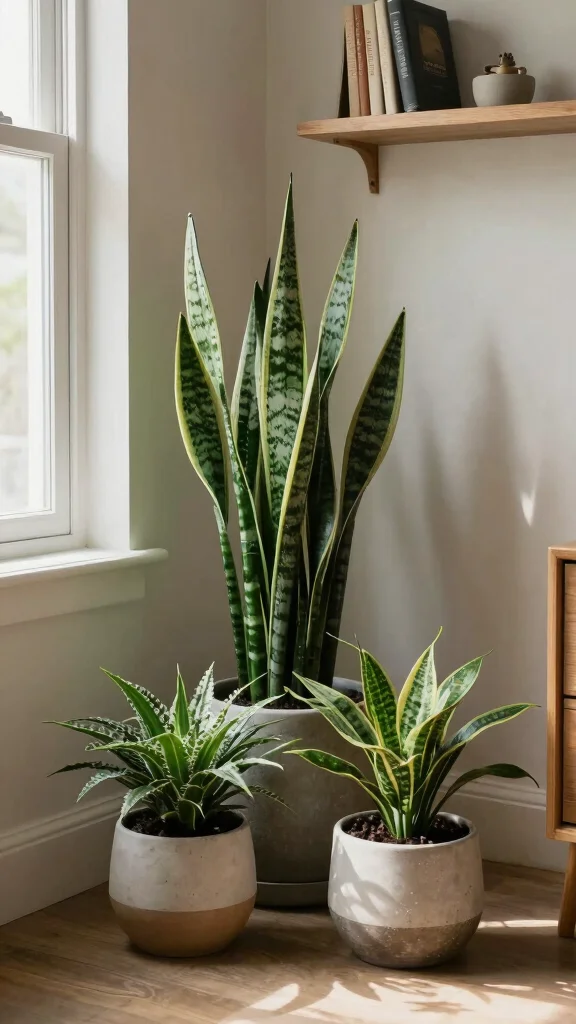
Selecting the perfect houseplants for low light areas can be a rewarding challenge. The right plants, such as the ZZ plant and snake plant, thrive in these conditions, bringing life and vibrancy into darker spaces. Their lush green foliage not only enhances the visual appeal of your home but also contributes to improved air quality and encourages a gentle flow of positive energy throughout your environment. Strategically placing them in corners or areas that feel stagnant can invigorate those spots, inviting a fresh sense of vitality into your living space.
To maximize the benefits of low-light plants, think about practical ways to incorporate them into your home. Budget-friendly options include sourcing plants from local nurseries or even swapping with friends. Additionally, consider the broader trend of biophilic design, which emphasizes our connection to nature through indoor greenery, enhancing overall mood and well-being.
Here are some key selections for low light:
– Pair the ZZ plant with textured pots to add visual interest.
– Install snake plants in decorative baskets for a chic look.
– Use pothos to create a trailing effect along shelves for depth.
This thoughtful approach not only beautifies your home but also promotes a balanced atmosphere, enhancing the overall energy flow.
2. Incorporate Plants in Your Living Room Layout
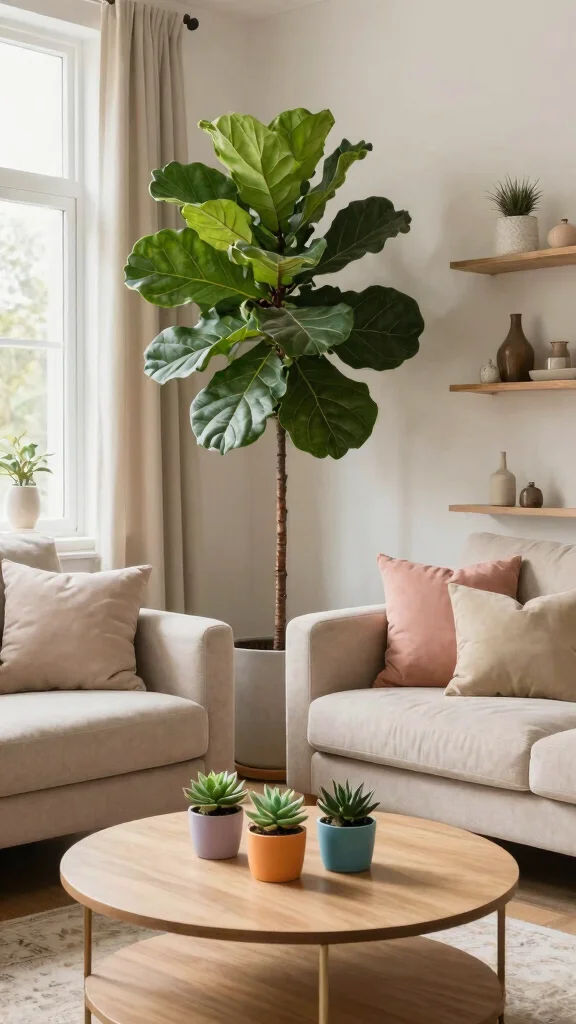
Your living room serves as the heart of your home, and the right plants can significantly elevate its energy. By arranging plants to encourage positive interactions and conversations, you create a welcoming atmosphere. Tall plants, like fiddle leaf figs, can be positioned in corners to draw the eye upward, making the space feel more expansive and open. Small succulents or terrariums on coffee tables can spark delightful conversations while seamlessly integrating nature into your decor.
For practical implementation, think about how to arrange your plants to maximize their aesthetic appeal. Cluster smaller plants together for a cozy look, and explore budget-friendly options by visiting local farmers’ markets for unique finds. Avoid sharp-leafed plants in social areas to maintain a soft, inviting energy.
Potted plant arrangement tips:
– Place taller plants in corners to soften hard edges and promote upward energy flow.
– Use clusters of smaller plants on tables for an inviting look.
– Avoid placing plants with thorns in spaces meant for relaxation.
This intentional placement enhances not only the visual beauty of the room but also the overall flow of harmonious energy.
3. Utilize Plants to Define Spaces
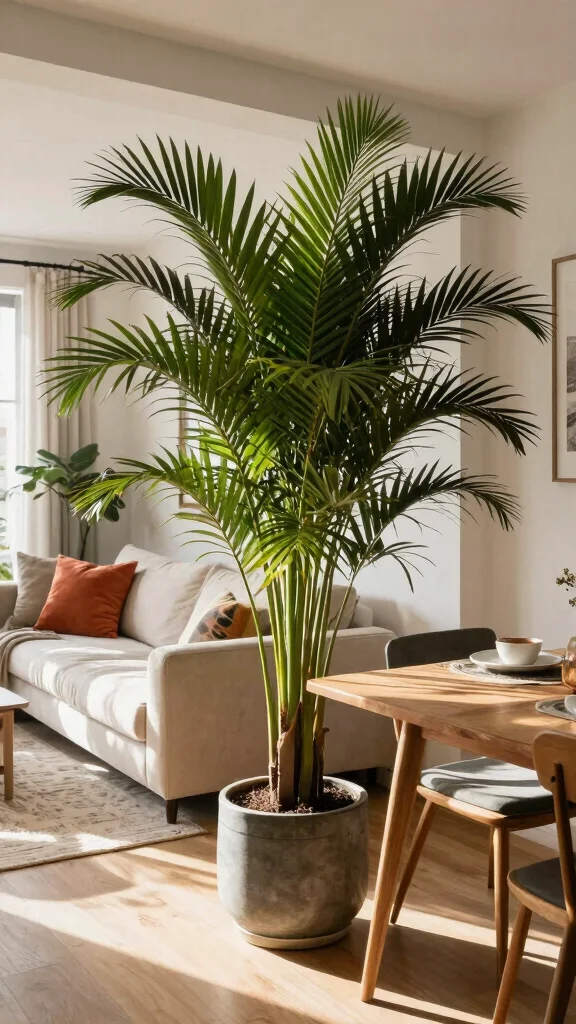
In open-concept homes, plants can serve as natural dividers, creating distinct areas without the use of walls. Large potted plants can effectively separate your living area from the dining space, enhancing the flow of energy while establishing a sense of individuality in each zone. Choosing plants that suit your home’s layout is crucial to ensure they fit harmoniously within the space.
For practical tips, consider using plants that are both visually appealing and functional as dividers. Invest in larger plants that can stand alone, and explore local shops for unique finds. This method aligns beautifully with the trend of incorporating nature into our living spaces, while also promoting a cozy ambiance.
Plants as dividers:
– Use large potted palms or ficus trees to mark divisions between spaces.
– Pair smaller plants in decorative pots along edges to create boundaries without obstruction.
– Incorporate hanging plants for visual interest and layering.
This technique not only fosters a sense of coziness but also maintains an open feel, enhancing the overall aesthetic of your home.
4. Hang Plants for Added Dimension
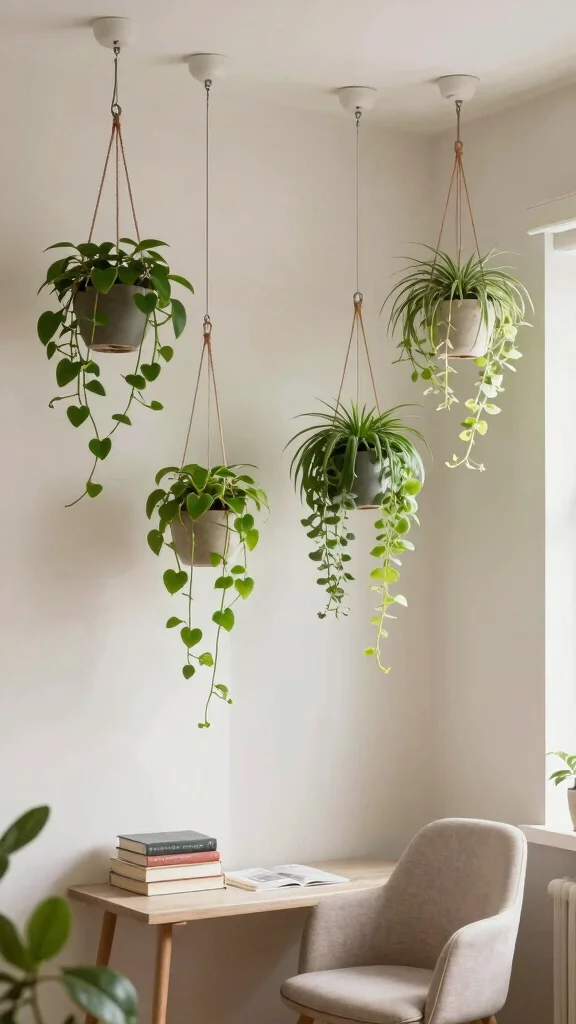
Hanging plants provide a unique opportunity to infuse life into your home while conserving valuable floor space. By drawing the eye upward, they create layers of visual interest and enhance the overall decor. Trailing plants like string of hearts or spider plants can be placed in hanging baskets near windows, producing an enchanting effect that brightens up any corner.
To effectively incorporate hanging plants, think about varying their placement to maximize light exposure. You can find budget-friendly hanging options at local garden centers or craft stores. This not only beautifies your space but contributes to a dynamic energy flow, promoting an inviting atmosphere.
Hanging plant ideas:
– Utilize macramé hangers for a boho vibe.
– Choose decorative pots that complement your home’s color scheme.
– Ensure they receive adequate light based on their needs to thrive.
Incorporating hanging plants can transform bland areas into lively sanctuaries, contributing to a harmonious and serene environment.
5. Use Plants to Balance Elements
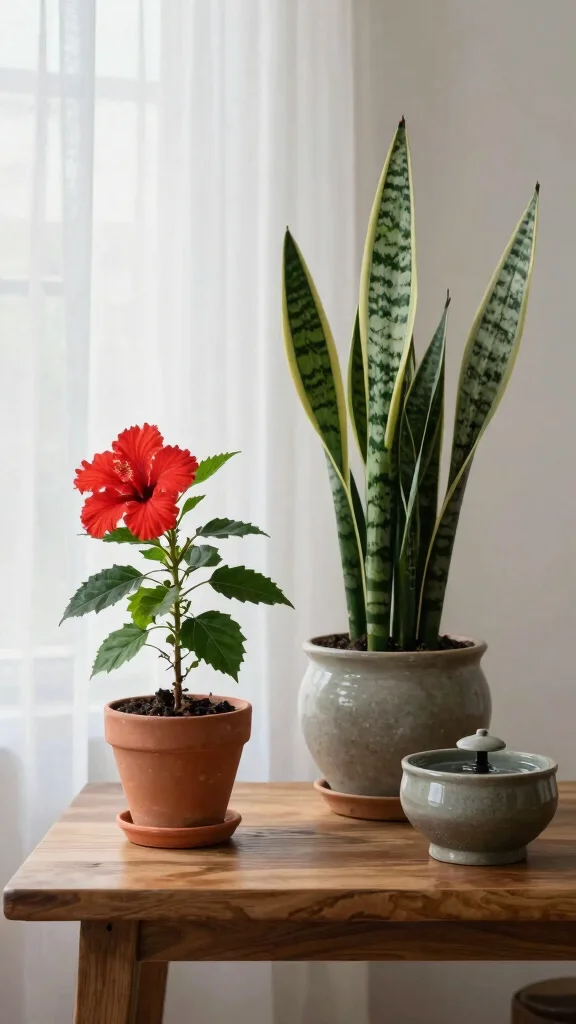
In the philosophy of Feng Shui, achieving balance is crucial, and plants play a significant role in harmonizing the five elements: wood, fire, earth, metal, and water. By carefully selecting plants that represent these elements, you can create an environment that feels both grounded and inviting. For instance, wooden planters can symbolize earth, while vibrant flowering plants can embody fire energy, contributing to a well-rounded atmosphere.
To practically implement this balance, incorporate colors and materials that resonate with each element. Look for budget-friendly options at local garden centers or online shops, and consider how each plant’s energy can enhance your space. This method aligns beautifully with the current trend of mindful decor, encouraging a peaceful and welcoming environment.
Element balancing tips:
– Wood: Use wooden pots or place plants on wooden furniture.
– Fire: Incorporate red or orange flowering plants like hibiscus for a touch of fire energy.
– Water: Use ceramic pots with a glossy finish to represent water.
This harmonious integration of plants and elements creates an inviting space, promoting balance and warmth.
6. Place Plants in the Wealth Corner
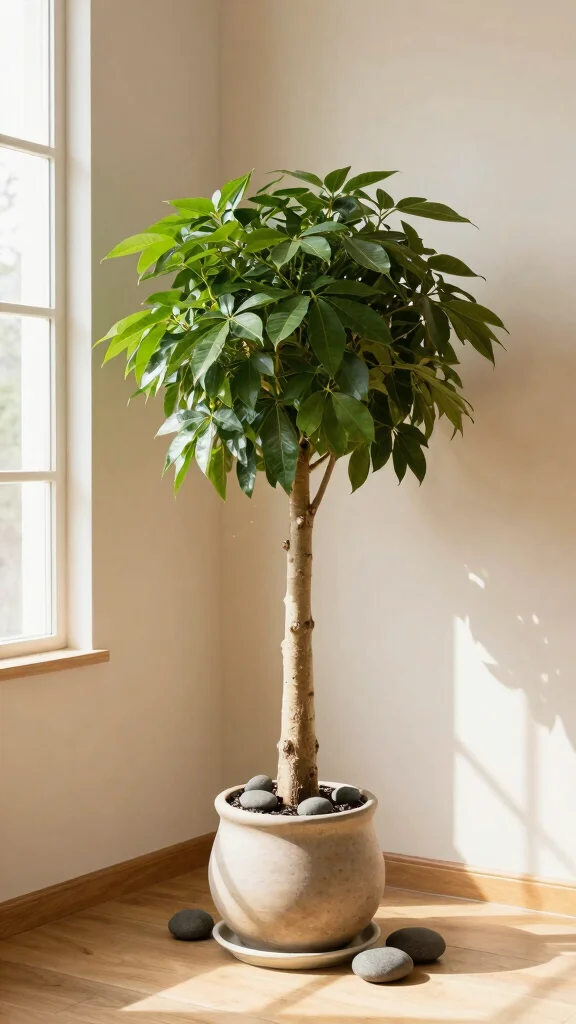
In Feng Shui, the southeast corner of your home is traditionally associated with wealth and abundance. Enhancing this area with vibrant, lush plants can attract positive energy and prosperity into your life. Consider placing a money tree or a jade plant here, as they are believed to bring good fortune and wealth. Ensure these plants are well-cared for, as healthy greenery symbolizes abundance and growth.
To effectively enhance your wealth corner, choose plants that resonate with prosperity. Decorative pots can add to the aesthetic appeal, while keeping the area clutter-free ensures optimal energy flow. This approach connects beautifully with the trend of creating intentional spaces that nurture positive energy.
Wealth corner plant tips:
– Choose plants with rounded leaves as they symbolize wealth.
– Position them in attractive pots to enhance their positive energy.
– Keep the area clutter-free for optimal energy flow.
By focusing on this area, you can cultivate an environment that nurtures abundance and financial blessings.
7. Avoid Sharp-Leaf Plants
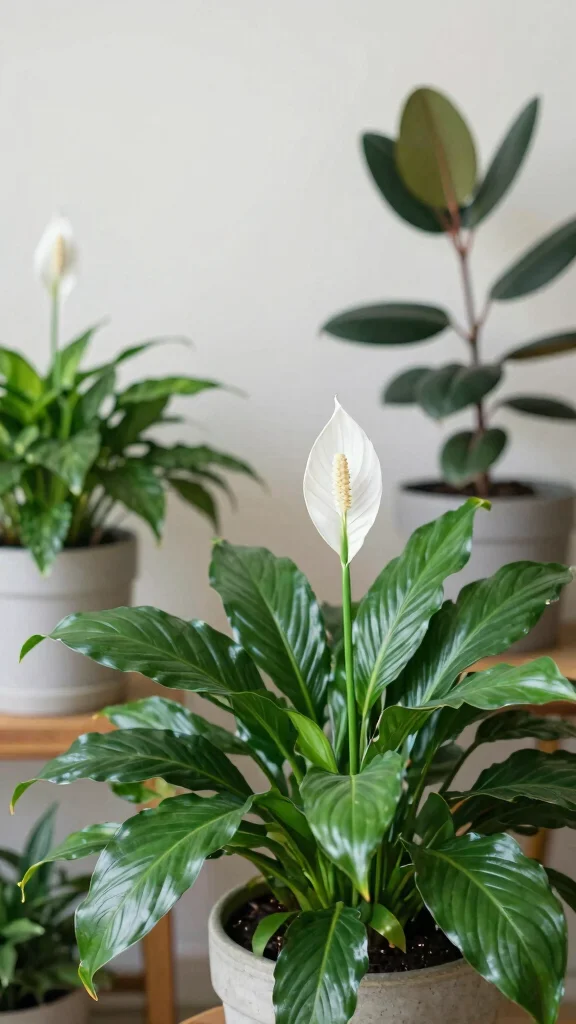
Feng Shui principles often discourage sharp-leafed plants or cacti, as they can create negative energy, known as ‘sha chi’. This type of energy can lead to discomfort or conflict within the home. Instead, opt for round-leaved plants which promote a soft, gentle energy conducive to harmony. If you already have sharp-leafed plants, consider relocating them to less frequented areas while introducing softer plants in main living spaces.
For practical suggestions, think about replacing sharp-leafed varieties with plants that exude calming energy. Local nurseries often have a variety of rounded-leafed plants that are easy to care for and promote tranquility. This approach aligns with the trend of creating serene and inviting environments.
Suggestions for softer plants:
– Peace lilies: Their rounded leaves and beautiful blooms promote calm.
– Rubber plants: With rounded leaves that signify growth and positivity.
– Spider plants: Easy to care for and visually appealing, they help soften a space.
Choosing the right plants can enhance your living environment, inviting peace and tranquility into your home.
8. Incorporate Fragrant Plants for Positive Vibes
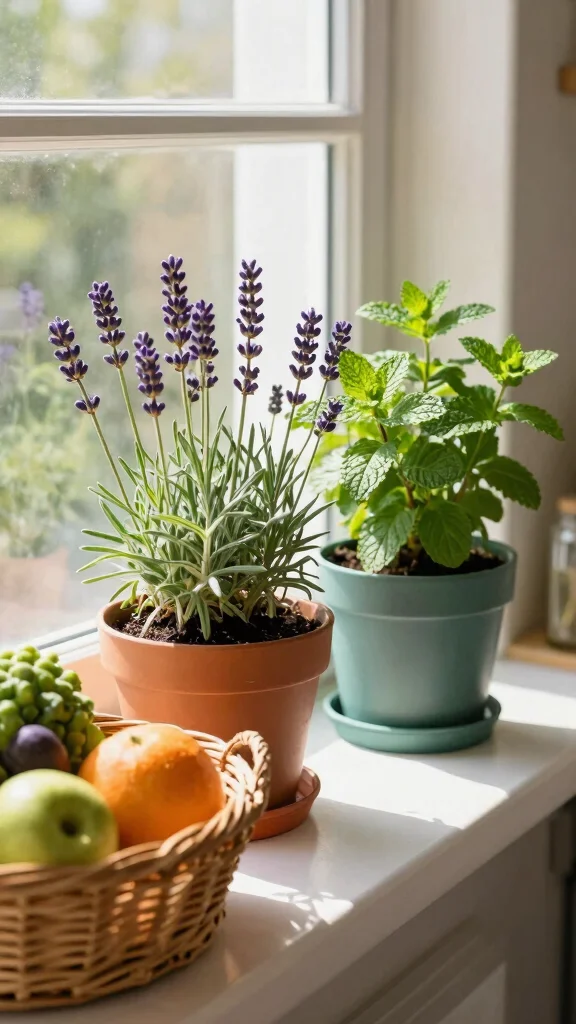
Adding fragrant plants to your home not only beautifies the space but also enhances mood and creates a positive atmosphere. Aromatic plants like lavender, jasmine, or mint can fill your rooms with uplifting scents that soothe and energize. Position these plants in high-traffic areas, such as kitchens or living rooms, where their delightful fragrances can be enjoyed most.
For practical implementation, consider how to incorporate these plants into your daily life. Regularly tending to them not only ensures their wellbeing but also fosters engagement with your living environment. This aligns with the trend of creating sensory-rich spaces that promote happiness and well-being.
Fragrant plant placement tips:
– Position them near windows for maximum sunlight and airflow.
– Keep them in areas where people gather, enhancing social interactions.
– Combine them with other plants for a diverse sensory experience.
Incorporating fragrant plants creates a naturally uplifting atmosphere, ensuring your home is filled with positive energy and inviting aromas.
9. Create a Plant Shelfie
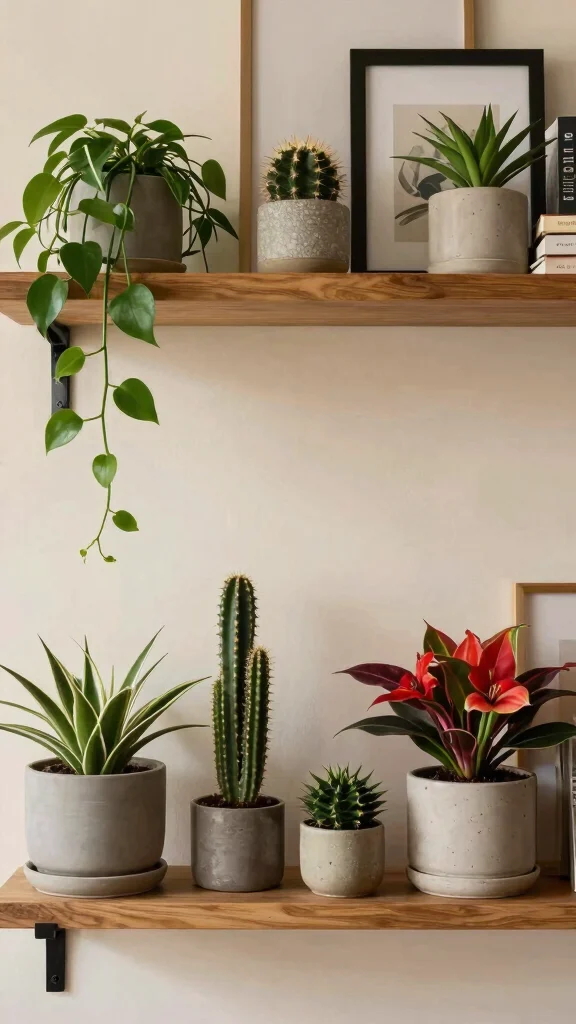
A ‘plant shelfie’ is a delightful way to showcase your greenery while adding a personal touch to your home decor. By arranging different types of plants on shelves, incorporating various heights and colors, you create a vibrant focal point that reflects your personality and love for nature. Mixing and matching pots can enhance the aesthetic while allowing each plant to shine in its own right.
To implement this idea effectively, consider how you can curate your plant shelf for visual interest. Local stores often have unique pots that can elevate your display. Ensuring proper lighting for your plants is essential for their health and vibrancy.
Plant shelfie tips:
– Use a variety of plant types for texture and interest.
– Incorporate decorative elements like books or artwork to enhance the overall look.
– Ensure plants have proper lighting to thrive in their displayed location.
A well-curated plant shelfie radiates positive energy and can become a delightful conversation piece in your home.
10. Use Plants to Refresh Air Quality
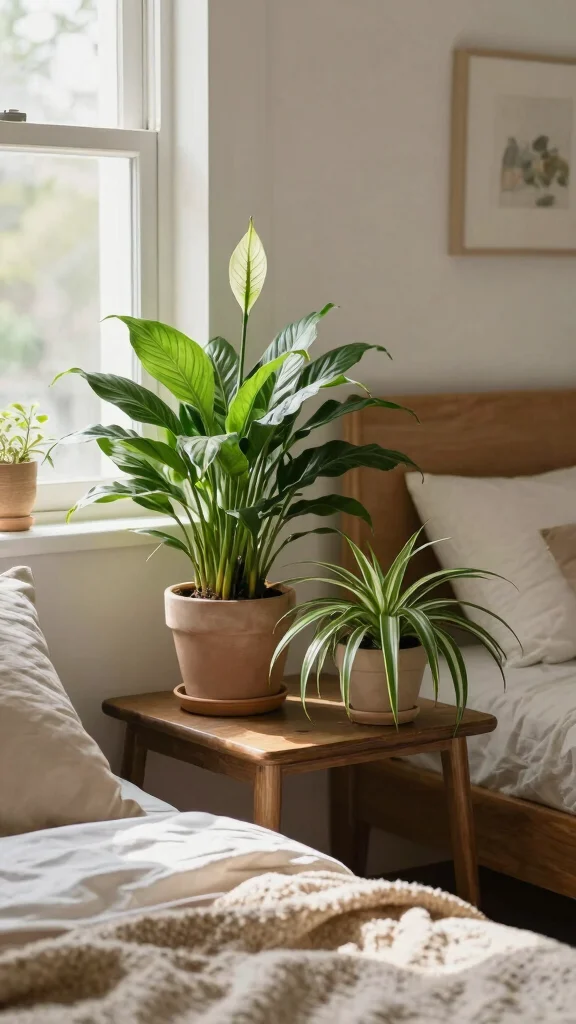
Air quality significantly impacts our overall wellbeing, and incorporating houseplants known for their air-purifying abilities enhances your home environment. Plants such as peace lilies, spider plants, and Boston ferns are celebrated for their ability to filter toxins from the air. Strategically positioning these plants in frequently used spaces like bedrooms and living rooms can improve air quality and promote a sense of rejuvenation.
To effectively implement this, consider sourcing plants that fit your lifestyle and space. Local garden centers often have a variety of air-purifying options that are easy to care for. This approach aligns with the trend of cultivating healthy living environments, enhancing both wellness and positive energy.
Air-purifying plant suggestions:
– Peace Lily: Known to remove formaldehyde and mold spores.
– Spider Plant: Easy to grow and effective in filtering indoor pollutants.
– Boston Fern: Excellent for adding humidity to the air, promoting a healthier environment.
By choosing the right plants, you can create a refreshing sanctuary that promotes harmony and wellness in your life.
11. Choose Seasonal Plants for Variety
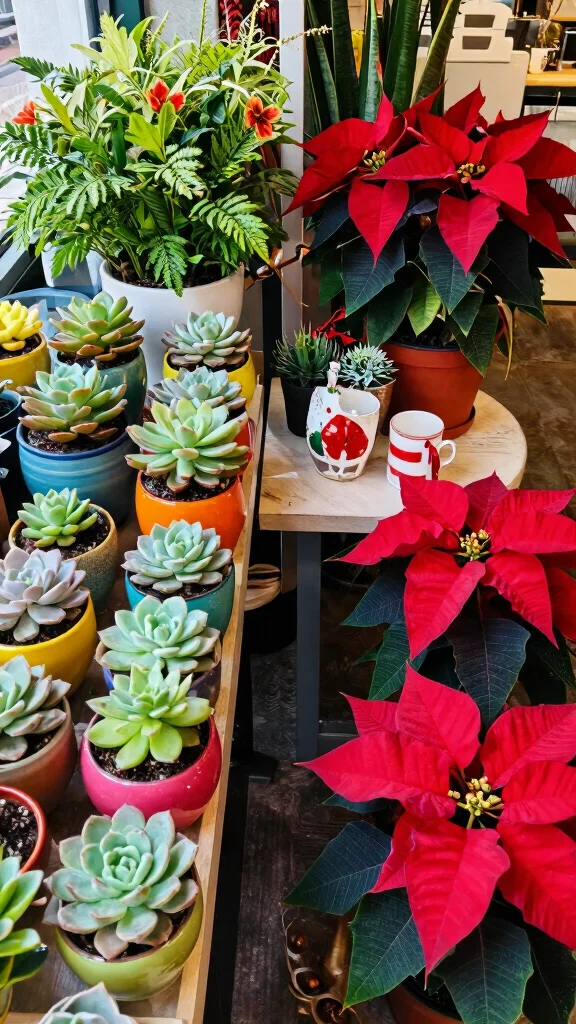
Embracing seasonal plants is a delightful way to keep your home feeling fresh and inviting year-round. For example, you might replace summer succulents with hearty winter plants like poinsettias to celebrate the season’s spirit. This approach not only adds variety but also aligns your decor with nature’s rhythm, keeping the energy in your home dynamic and vibrant.
To implement this idea effectively, research which plants thrive in each season for optimal results. Decorative pots that are easy to change out can enhance your seasonal display. Keeping a consistent schedule for plant rotation will help maintain freshness and excitement throughout your home.
Seasonal plant rotation tips:
– Research plants that thrive in each season for best results.
– Use decorative pots that are easy to change out.
– Keep a consistent schedule for plant rotation to maintain freshness.
Rotating your plants can keep your space feeling vibrant and in tune with the natural world, inviting new energy each season.
12. Group Plants for Cohesion
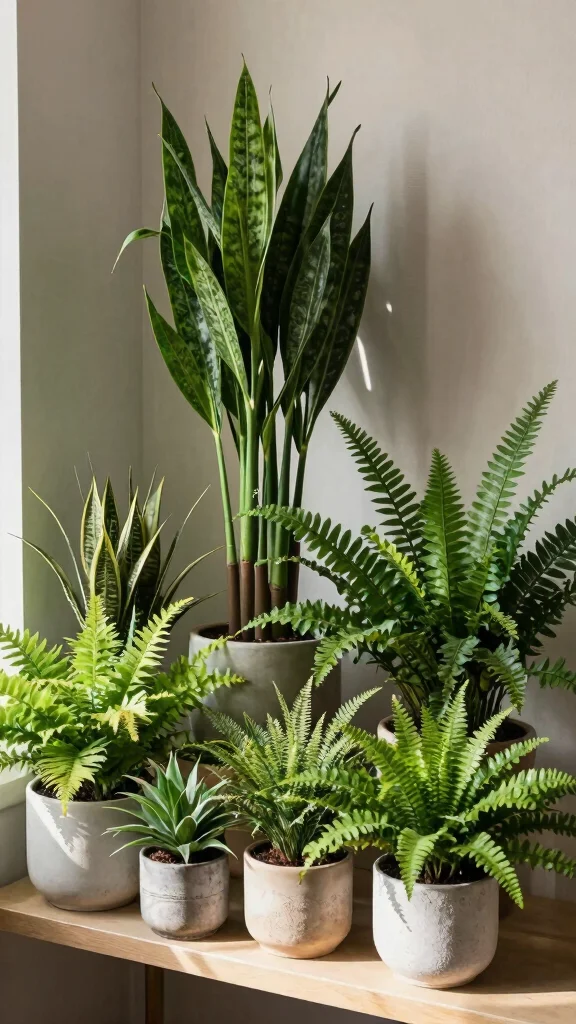
Grouping plants together creates a sense of unity in your decor while maximizing their positive energy. By clustering different plants with varying heights and textures, you can create an engaging display that enhances visual interest. This arrangement fosters a sense of community among the plants, translating into a more harmonious atmosphere in your home.
For practical grouping tips, think about varying heights and leaf shapes to create a dynamic look. Matching pots can help establish a cohesive theme, while positioning groups near light sources ensures optimal growth. This approach aligns beautifully with the trend of creating lush, inviting spaces that celebrate nature.
Grouping tips:
– Vary heights and leaf shapes for a dynamic look.
– Use matching pots for a cohesive theme.
– Position groups near windows or light sources for optimal growth.
By thoughtfully grouping your plants, you foster a nurturing space that radiates harmony and vibrancy, enhancing your overall decor.
13. Personalize with Unique Planters
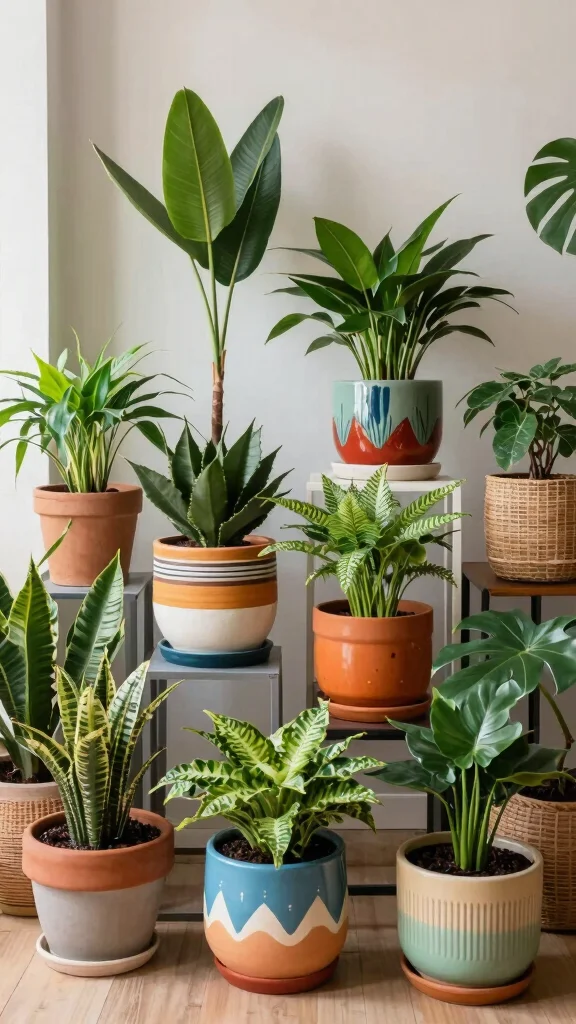
Decorating with unique planters allows you to showcase your personality and style while incorporating greenery into your decor. From quirky ceramic pots to chic metallic planters, the options are endless. Choosing planters that resonate with you not only enhances your decor but also fosters a joyful connection with your plants, making them a part of your home’s story.
For practical personalization tips, seek out local artisan-made planters for a truly unique touch. Mixing different styles can create an eclectic look that reflects your taste. Ensure that the size and material of your planters suit the type of plants you are using for optimal growth and health.
Planter personalization tips:
– Look for local artisan-made planters for a unique touch.
– Mix different styles for an eclectic look.
– Ensure the size and material suit the type of plants you are using.
Personalizing your planters transforms how your plants are perceived in your home, making them focal points of interest and joy.
14. Keep Plants Well-Maintained
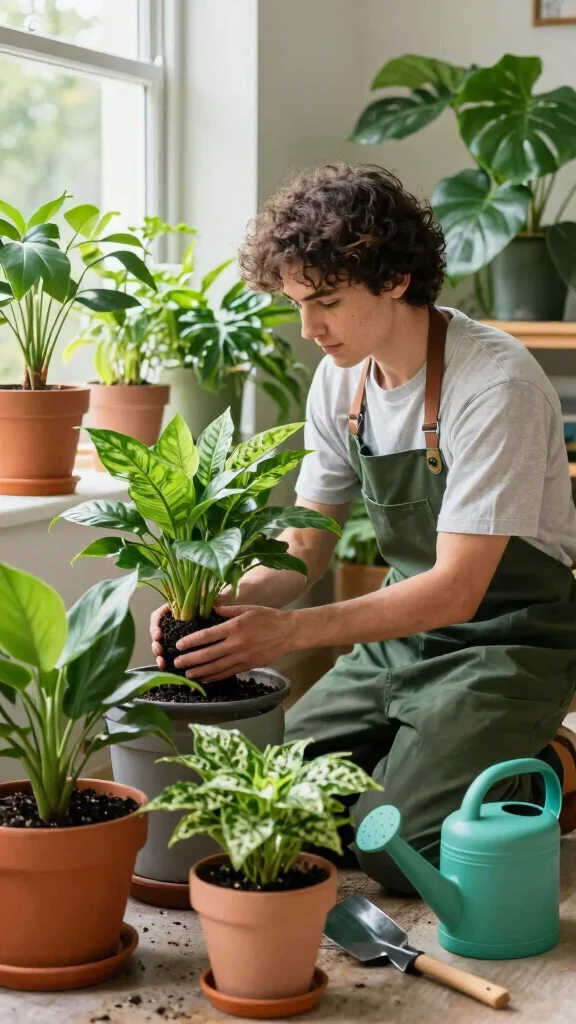
Caring for your plants is essential in ensuring they thrive and continue to radiate positive energy. Regularly inspecting for signs of distress, such as yellowing leaves or pests, allows you to address these issues promptly. Establishing a watering schedule that meets each plant’s needs keeps them healthy and vibrant, contributing to harmonious energy in your home.
For practical maintenance tips, consider pruning dead leaves and stems to encourage new growth. Rotating your plants occasionally ensures even light exposure, while fertilizing during the growing season boosts their health. This approach aligns with the trend of nurturing living spaces that support well-being and vitality.
Maintenance tips:
– Prune dead leaves and stems to encourage new growth.
– Rotate plants occasionally to ensure even light exposure.
– Fertilize during the growing season for optimum health.
By keeping your plants well-maintained, you cultivate not only their wellbeing but also the positive energy they bring to your living space.
15. Embrace the Green Energy
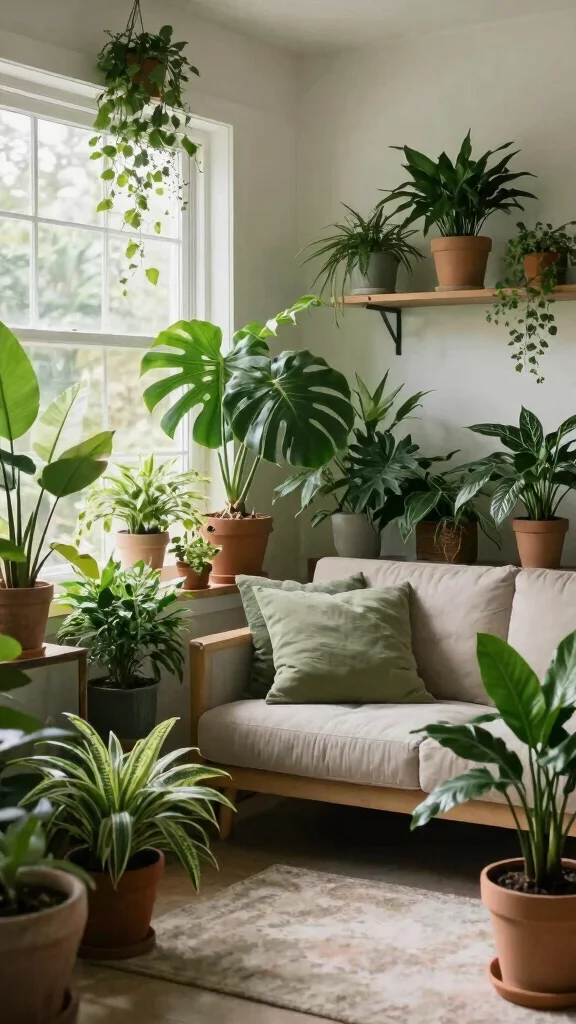
Ultimately, embracing the green energy that houseplants bring can transform your home into a sanctuary of peace and positivity. Creating a mindful approach to how and where you place your plants can significantly enhance the harmony in your space. Consider your intentions for each plant, allowing them to amplify the positive energy in your home and enrich your emotional well-being.
To fully embrace this energy, reflect on the impact each plant has in your environment and create dedicated spaces for them to thrive. Regularly engaging with your plants can deepen your connection and appreciation for their presence. This aligns perfectly with the growing trend of incorporating greenery into everyday life for enhanced wellness and tranquility.
Embracing plant energy tips:
– Reflect on the energy each plant brings before placing it.
– Create a dedicated space for plants to thrive and be appreciated.
– Regularly engage with your plants for a deeper connection.
By fully embracing the energy of plants, you invite a natural rhythm into your life, cultivating an environment of tranquility and joy.
Conclusion
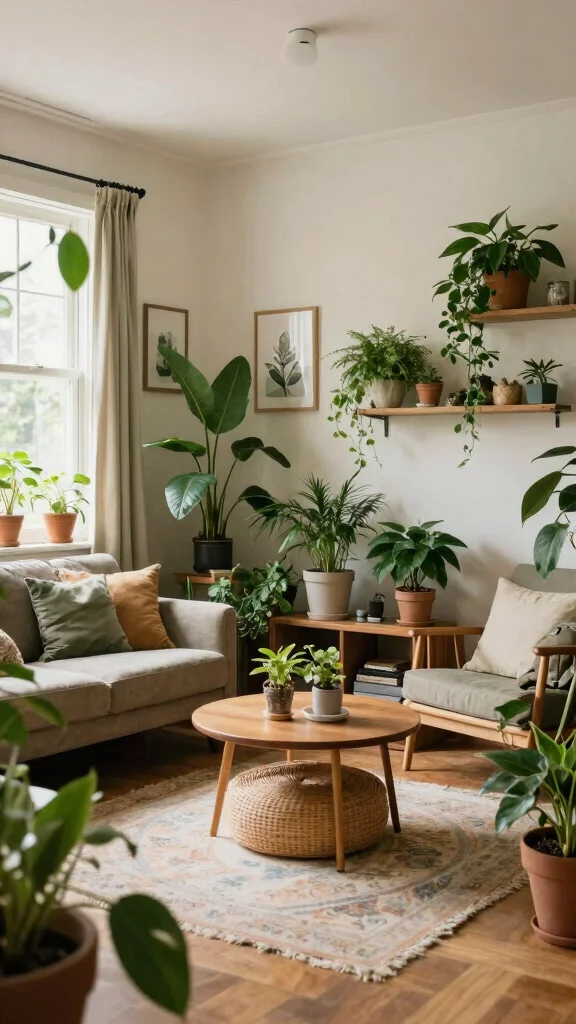
Incorporating Feng Shui principles with houseplants is a beautiful way to cultivate a harmonious home filled with positive energy.
From choosing the right plants for low light areas to embracing seasonal varieties, these tips can truly transform your living environment.
By mindfully integrating greenery into your decor, you not only enhance your home’s aesthetic but also invite tranquility and vitality into your life.
Frequently Asked Questions
Question: Which houseplants are best for low light areas to enhance Feng Shui harmony?
Answer: For a harmonious home, start with reliable houseplants for low light areas like snake plant (Sansevieria), ZZ plant, pothos, peace lily, and Chinese evergreen. They thrive in shade and help keep energy calm, contributing to overall harmony.
Place them in entryways, living rooms, or corners where energy tends to slow, and group in odd numbers for balanced chi. Water sparingly, ensure drainage, and wipe leaves occasionally to keep energy clear and plants thriving.
Question: How can I arrange plant decor to maximize positive energy and harmony in a room?
Answer: To maximize positive energy and harmony, think about qi flow. Create a focal plant near the room’s entrance or seating area, and use three different heights (stacks, stands, shelves) to create movement without clutter. Group plants in threes or fives, in soft, natural pots that reflect calm energy. Keep walkways open so energy can circulate; avoid placing tall plants directly in front of windows to prevent energy from becoming stagnant.
Question: What are practical care tips to keep low-light Feng Shui plants thriving?
Answer: For low-light Feng Shui plants, start with a simple routine: check soil moisture every 1–2 weeks (more often in warm months, less in winter), use a well-draining potting mix, and ensure pots have drainage holes. Wipe dust from leaves to maximize light absorption, rotate plants every few weeks for balanced growth, and fertilize lightly in spring and summer to support healthy energy without overstimulation.
Question: Can I use mirrors or color to boost harmony and energy around my plants?
Answer: Absolutely. Mirrors can bounce light into shaded spots and brighten the room, while soft, earthy colors on walls and pots support calm energy. Use harmony and positive energy by pairing light, neutral tones with greenery, and avoid busy patterns that disrupt chi. A strategically placed mirror opposite a healthy plant can amplify the plant’s vitality and keep energy flowing.
Question: What are beginner-friendly options for starting Feng Shui plant decor in a low-light home?
Answer: Great starting choices include snake plant, pothos, ZZ plant, and philodendron—these are sturdy and forgiving for beginners. Place them where they’ll be seen daily (mantels, coffee tables, or corners) and vary heights to create gentle energy movement. Start with 3–5 plants per room to establish a calm, harmonious flow of energy, and pick simple, low-maintenance pots to reduce upkeep.