
Creating a beautiful yard shouldn’t feel like a full-time job. That’s why I put together this post on 18 Garden Renovation Ideas for a Beautiful, Low-Maintenance Yard. If you’re tired of spending your weekends battling weeds and keeping up with complicated landscaping, this guide is for you. You deserve a space that thrives with minimal effort, letting you enjoy your garden rather than stressing over it.
If you live in a small urban space or just want to make the most of your backyard, you’re not alone. Many city dwellers dream of a lush garden but often feel overwhelmed by the maintenance. Whether you’re a beginner or an experienced gardener, the ideas here will resonate with anyone looking to enhance their outdoor space without the hassle.
What can you expect? I’ve gathered practical tips and creative ideas that emphasize sustainable gardening techniques. From using native plants to installing a drip irrigation system, these suggestions are designed to help you create an inviting garden that works with nature. You’ll find solutions that save time, reduce water usage, and even add a touch of beauty to your home. By the end of this post, you’ll be ready to embark on your garden renovation journey, armed with fresh ideas and inspiration.
Let’s dig in and get your garden to a place where it can flourish with ease and style!
Key Takeaways
– Discover how opting for native plants can reduce maintenance while supporting local wildlife.
– Learn about drip irrigation systems that can significantly cut down on water waste and keep your plants healthy.
– Explore the benefits of creating a rock garden, which requires little upkeep and adds unique texture to your yard.
– Find out how container gardening can help maximize your small space by allowing you to grow a variety of plants in limited areas.
– Get tips on selecting low-maintenance plants that thrive in urban environments and provide year-round interest.
Contents
- 1. Opt for Native Plants
- 2. Create a Vertical Garden
- 3. Install Drip Irrigation
- 4. Use Mulch for Moisture Retention
- 5. Create a Rock Garden
- 6. Incorporate Edible Landscaping
- 7. Utilize Gravel Pathways
- 8. Add a Low-Maintenance Fountain
- 9. Implement Container Gardening
- 10. Use Hardy Ground Cover
- 11. Embrace Permaculture Principles
- 12. Select Drought-Tolerant Varieties
- 13. Add Lighting for Nighttime Ambience
- 14. Create a Wildlife Habitat
- 15. Use Permeable Paving
- 16. Incorporate Furniture Made from Recycled Materials
- 17. Create a Zen Garden
- 18. Upgrade with Smart Gardening Tools
1. Opt for Native Plants
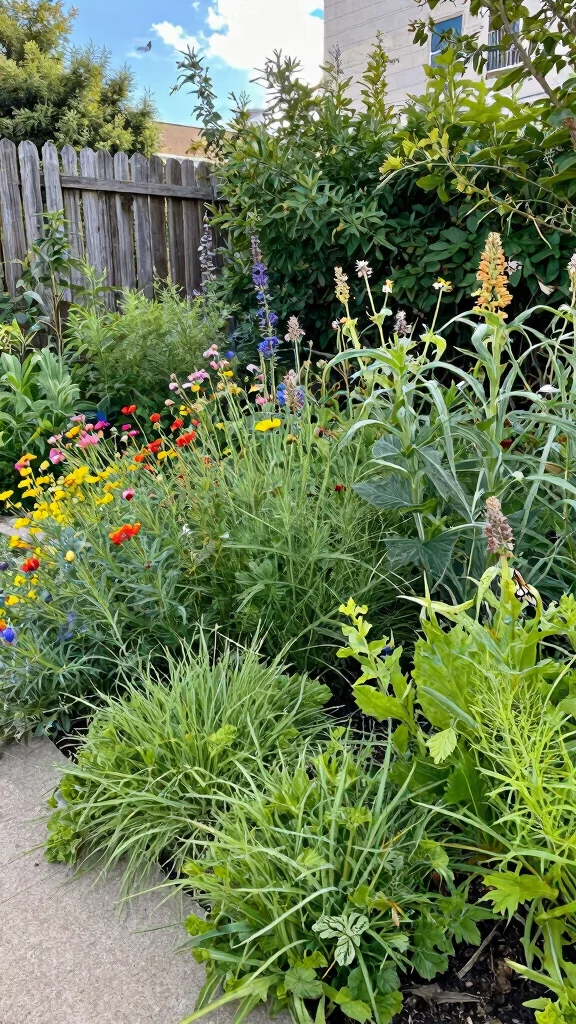
Native plants anchor your yard in a natural, easygoing style. They fit your climate and soil, so they need less water and fuss. Imagine purple coneflowers and black-eyed Susans blooming beside lilacs along a sunny border. Pinterest loves these local palettes, and garden editors celebrate biodiversity.
To get started, group natives by sun and soil spots. Choose hardy mixes that thrive with minimal care and occasional mulch. Visit local nurseries or plant swaps to grab affordable starters. Mixing edibles with ornamentals can boost flavor and interest, linking native design to broader sustainable styles. You’ll see a thriving, low-stress landscape that invites wildlife and quiet moments.
• Use native perennials like purple coneflower and black-eyed Susan
• Choose drought-tolerant natives to cut water costs overhead
• Group plants by sun needs for easier care
• Source locally or swap plants to save money
Integrating natives beautifies your yard and supports local life.
2. Create a Vertical Garden
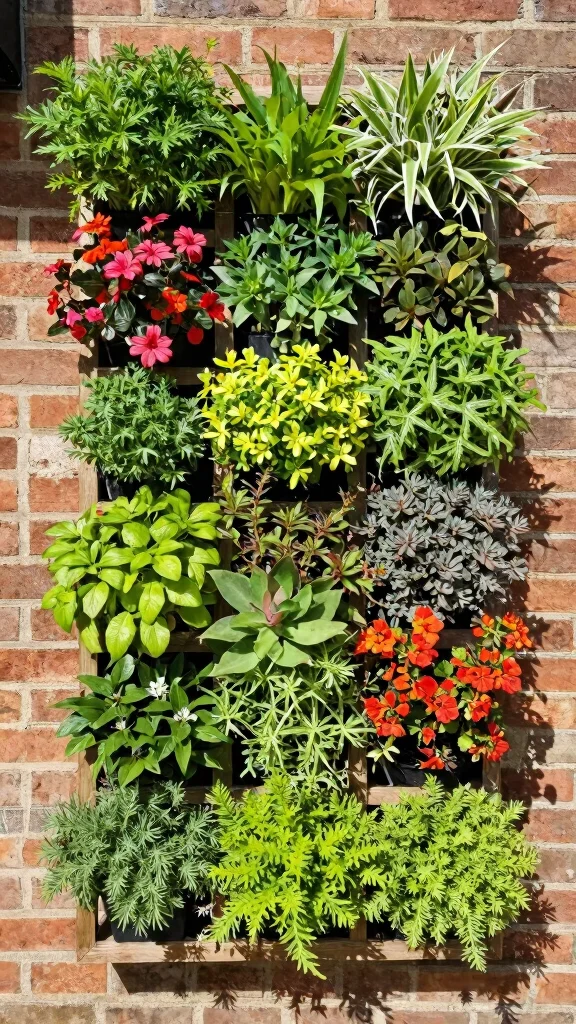
Vertical gardens stretch small spaces into lush, living walls. They add color from herbs, succulents, and flowering vines. A trellis, wall planters, or repurposed pallets shape the display. This look is trending online and in urban yards, offering a green retreat right up front.
A plan the setup in a bright, well-drained spot. Use lightweight planters and a drip line to keep upkeep low. Start with a few easy plants and expand later. The result is a striking feature that freshens your yard and frees ground space.
• Use wall-mounted planters to save floor space effectively
• Choose climbers like ivy or flowering vines for color
• Pick repurposed pallets for budget-friendly display in small courtyards
• Add drip irrigation to keep watering low maintenance
A vertical garden makes tiny yards feel lush and creative.
3. Install Drip Irrigation
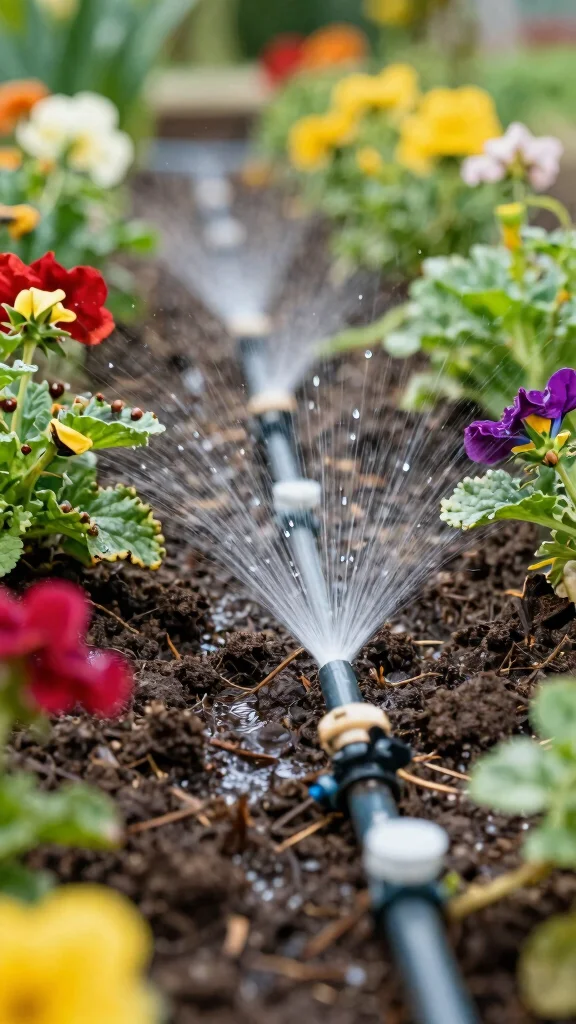
Drip irrigation brings calm to your garden care. It delivers water right to roots, cutting waste and runoff. The system stays hidden yet works quietly, keeping leaves dry and healthy. This approach is widely recommended in water-wise gardening guides and blogs.
Start simple with a soaker hose and adjustable emitters. Run lines along beds and around drip zones for even coverage. Use a timer to keep schedules steady and save time. Over time you will notice less watering and healthier roots.
• Use emitters placed near plant bases for efficient water
• Choose a timer to automate daily irrigation
• Place tubing along beds to minimize visible lines
• Add a filter to protect emitters from clogs
With steady moisture, roots grow strong and deep.
4. Use Mulch for Moisture Retention
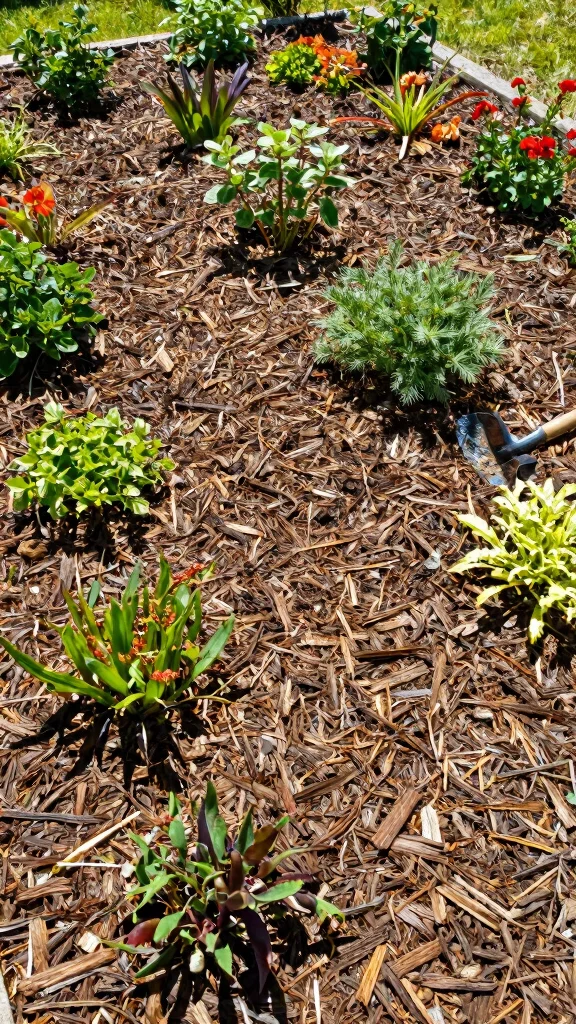
Mulch instantly buffers soil and gives the beds a tidy finish. It slows evaporation, keeping roots cooler in hot days. You can choose organic options like wood chips or shredded leaves, or decorative gravel for a modern look. Trends show mulch use in eco gardens and native plant schemes.
Spread a 2-3 inch layer around plants, keep away from stems. Replenish yearly as it decomposes. Organic mulch feeds soil slowly, while gravel creates texture and drainage over time. The simple step lowers weeds and watering time, letting you enjoy the garden more.
• Use a 2-3 inch mulch layer around plant bases
• Choose organic mulch to enrich soil slowly over time
• Place mulch away from stems to prevent rot
• Add decorative gravel for modern texture and drama
This simple step lowers upkeep while boosting soil health.
5. Create a Rock Garden
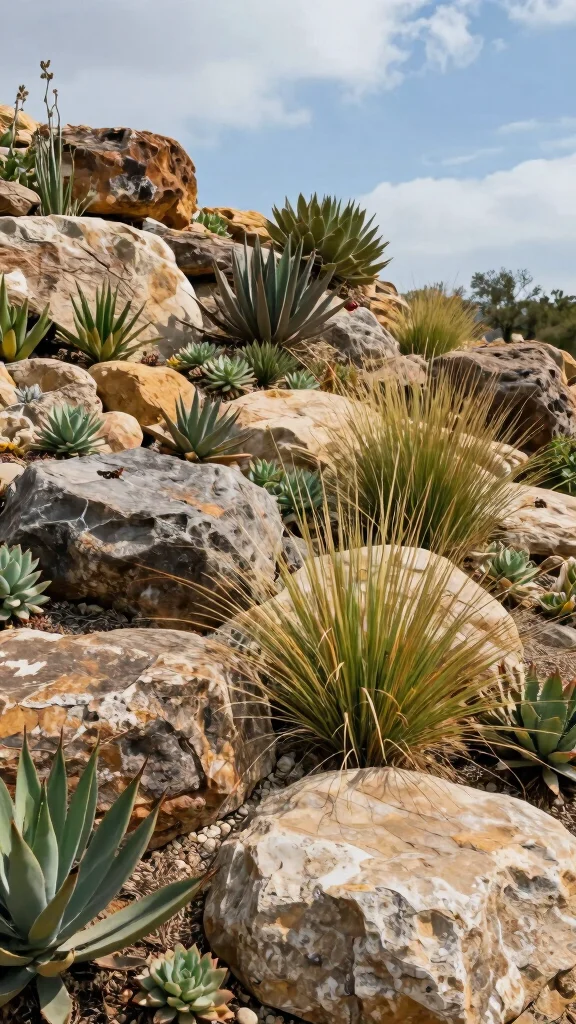
Rocks add texture and calm to a yard, with minimal care. They act as sculpture, guiding the eye and creating quiet spaces. Combine boulders with gravel and drought-tolerant plants like sedum and ornamental grasses. A rock garden shines in every season, even when snow rests on stone.
Place large rocks as focal points, don’t crowd; fill gaps with smaller stones to keep a natural feel. Mix in low-water plants for color and movement. Winter light on stone adds seasonal beauty. A rock garden stays dramatic yet easy to maintain.
• Use large rocks as focal points in the layout
• Pick drought-tolerant plants like sedum and grasses for color
• Place gravel paths to guide movement and care
• Add mulch around perennials to soften edges visually too
The rock garden stays dramatic yet easy to maintain.
6. Incorporate Edible Landscaping
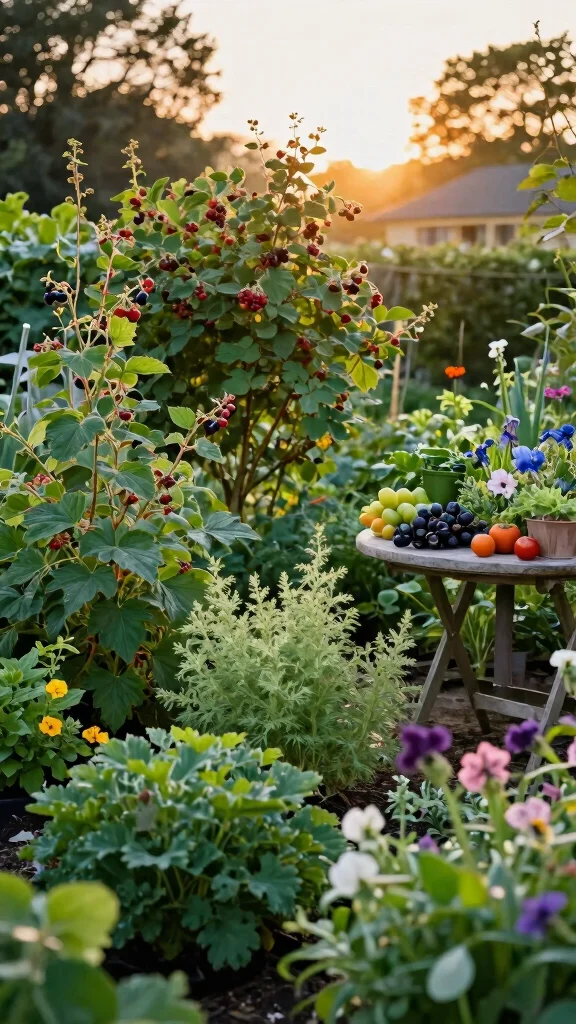
Edible plants bring flavor and life to your yard. You can mix berry bushes with bloomers for color and curiosity. A small herb bed near seating makes cooking easier. This approach connects food and beauty, a trend in sustainable gardens.
Start small with herbs like thyme and rosemary in containers. Build a berry patch where it gets sun and access. Use compost and mulch to feed plants naturally. The payoff is fresh ingredients and a garden that feels alive.
• Use berry bushes and fruit trees alongside ornamentals
• Plant a herb spiral for compact edible options
• Pair edibles with flowers for visual harmony in beds
• Choose compact varieties for small spaces in patios
Your yard becomes a tasty haven you can enjoy daily.
7. Utilize Gravel Pathways
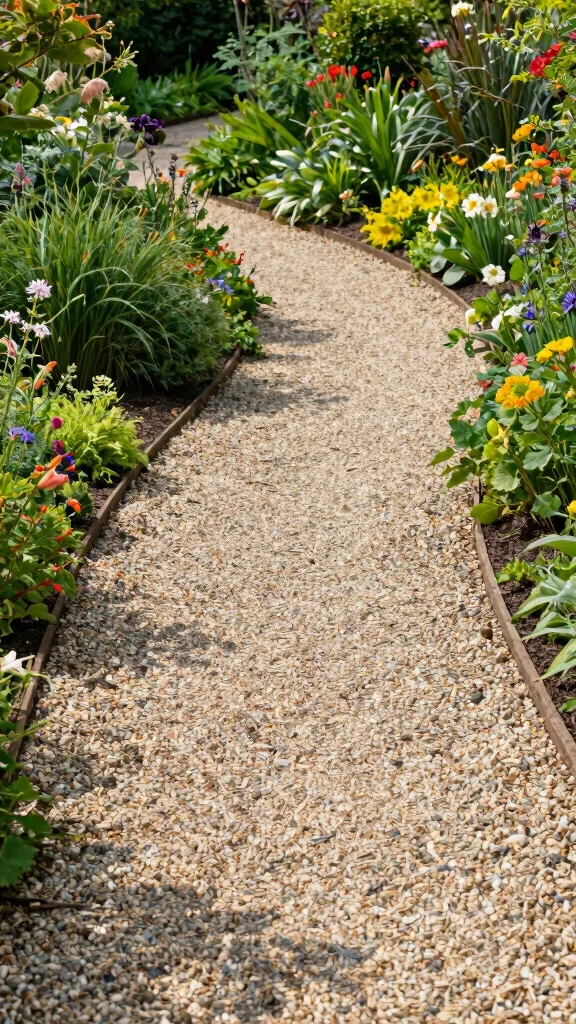
Gravel paths give a rustic guide through your yard. They shape flow and cut down on lawn maintenance. Layer fabric under gravel to slow weed growth and let water pass through. Gravel paths are easy to navigate, resist wear, and can be reshaped as your yard evolves.
Use varied gravel sizes to craft inviting patterns, or use larger stones to edge. Layer landscape fabric under the gravel to prevent weeds. Edge paths with larger stones for clean lines. Choose lighter colors to brighten shade areas in your yard.
• Use varied gravel sizes to craft inviting patterns
• Layer fabric under gravel to slow weed growth
• Edge paths with larger stones for clean lines
• Choose lighter colors to brighten shade areas
Gravel paths make gardens feel easygoing and welcoming.
Gravel paths make any garden renovation feel doable and welcoming. They guide flow, cut lawn maintenance, and you can reshape them as your yard grows. Pro tip: layer fabric under the gravel to slow weeds and edge with larger stones for clean lines.
8. Add a Low-Maintenance Fountain
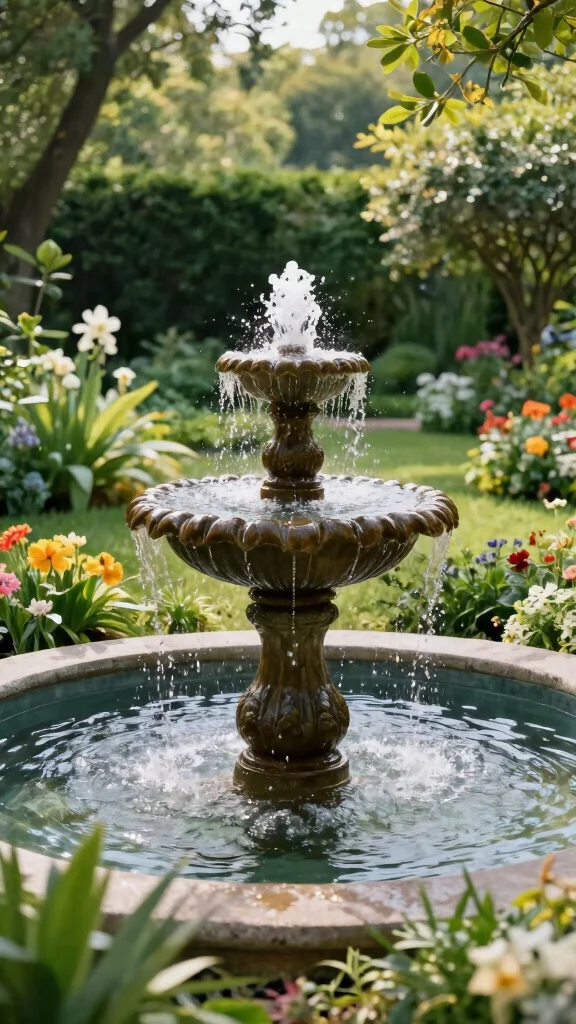
Water features bring motion and serenity to a yard. A compact fountain can anchor a seating area and soften hard edges. Look for self-cleaning models with built-in filters to keep water clear with little effort. Whether modern or classic, a fountain fits many styles.
Position it where you can hear the soothing sound from chairs. Size it to balance with plants and furniture. Use a simple pump and clear reservoir for easy upkeep. The effect is a calming retreat that invites you outside.
• Use self-cleaning fountains with built-in filters for easy care
• Place near seating for ambient sound and view
• Pick compact sizes to avoid crowding spaces
• Include easy-access water and pump maintenance checks
A fountain adds life and calm to any yard.
9. Implement Container Gardening
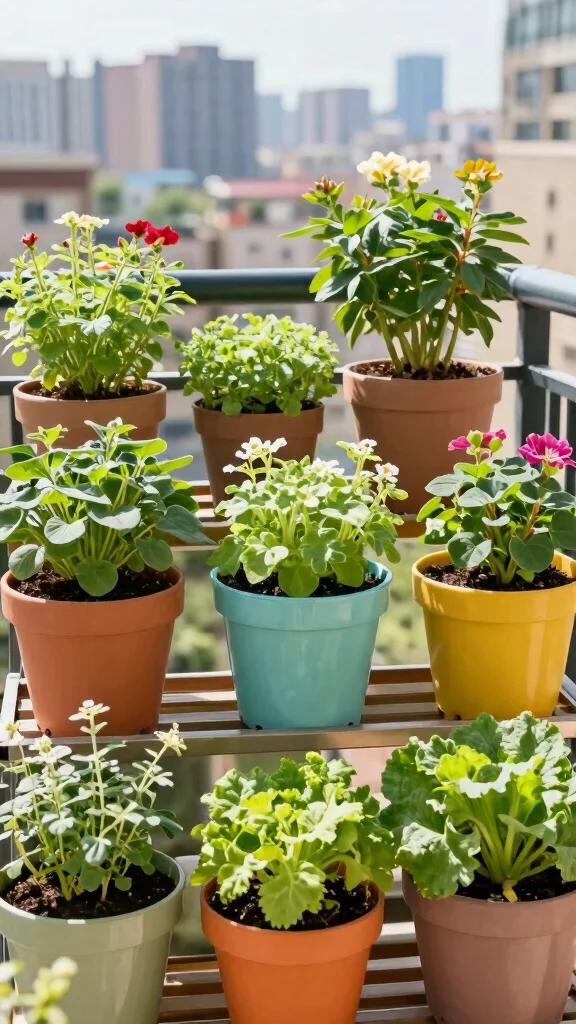
Container gardening brings bright color with simple setup. It works in small patios and balconies where soil is limited. Choose lightweight pots in bamboo, ceramic, or recycled plastic to fit your style. You can layer pots of different heights for texture and movement.
Start with a few versatile herbs and sun-loving flowers. Container choices include bamboo or recycled plastic. Group tall and short containers for visual depth. Place herbs and small flowers in bright vessels. Move containers with sun shifts to protect plants.
• Use sustainable pots in bamboo or recycled plastic
• Group tall and short containers for visual depth
• Place herbs and small flowers in bright vessels
• Move containers with sun changes to protect plants
Container gardens adapt as your space grows.
10. Use Hardy Ground Cover
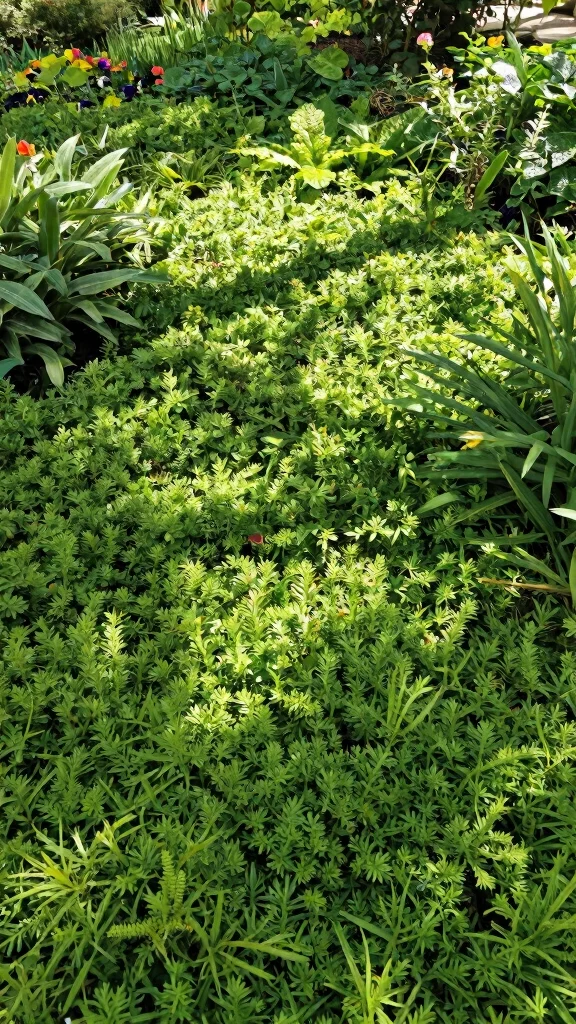
Ground cover doubles as a low-maintenance layer. Plants like creeping thyme and sedum fill zones where grass struggles. They suppress weeds and save water, keeping your yard tidy year-round. This soft carpet stays green with little effort.
Use creeping thyme, clover, or sedum for color. Place ground covers under trees where lawn struggles. Blend with flowering plants for year-round interest in beds. Choose drought-tolerant options to cut irrigation needs.
• Use creeping thyme, clover, or sedum for color
• Place ground covers under trees where lawn struggles
• Blend with flowering plants for year-round interest in beds
• Choose drought-tolerant options to cut irrigation needs
A soft carpet of green stays lush with little effort.
11. Embrace Permaculture Principles
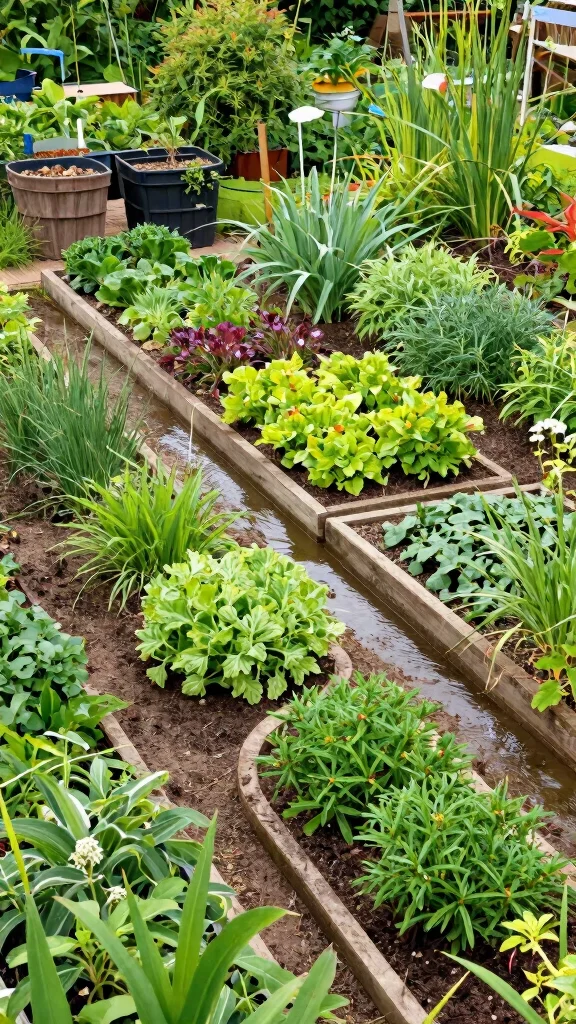
Permaculture designs mimic nature for resilient, easy care. Plants form guilds that help each other. Water is kept where it lands and soil is fed with compost. This approach favors long-term health over quick fixes.
Build plant guilds where species support each other. Use swales to catch rain and slow runoff. Feed soil with compost and organic mulch year-round. Keep paths simple to reduce disturbance in your garden.
• Build plant guilds where species support each other
• Use swales to catch rain and slow runoff
• Feed soil with compost and organic mulch
• Keep paths simple to reduce disturbance in your garden
Permaculture ideas build a garden that thrives with less work.
12. Select Drought-Tolerant Varieties
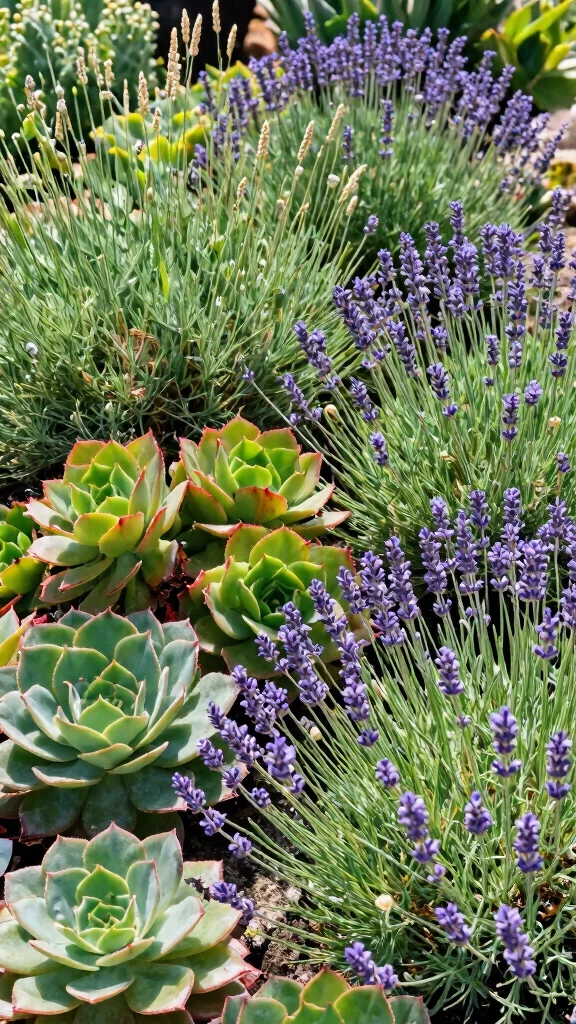
Drought-tolerant plants save water and effort. Look for succulents, lavender, and ornamental grasses that survive dry spells. Group them to form a cohesive color and texture in your beds. They endure heat and stay vibrant longer.
Use succulents and lavender for color and scent. Group plants by water needs for easy care. Place them in sunny spots for best performance. Recheck soil drainage before planting in your area.
• Use succulents and lavender for color and scent
• Group plants by water needs for easy care
• Place them in sunny spots for best performance
• Recheck soil drainage before planting in your area
These choices cut bills and keep a vibrant yard.
13. Add Lighting for Nighttime Ambience
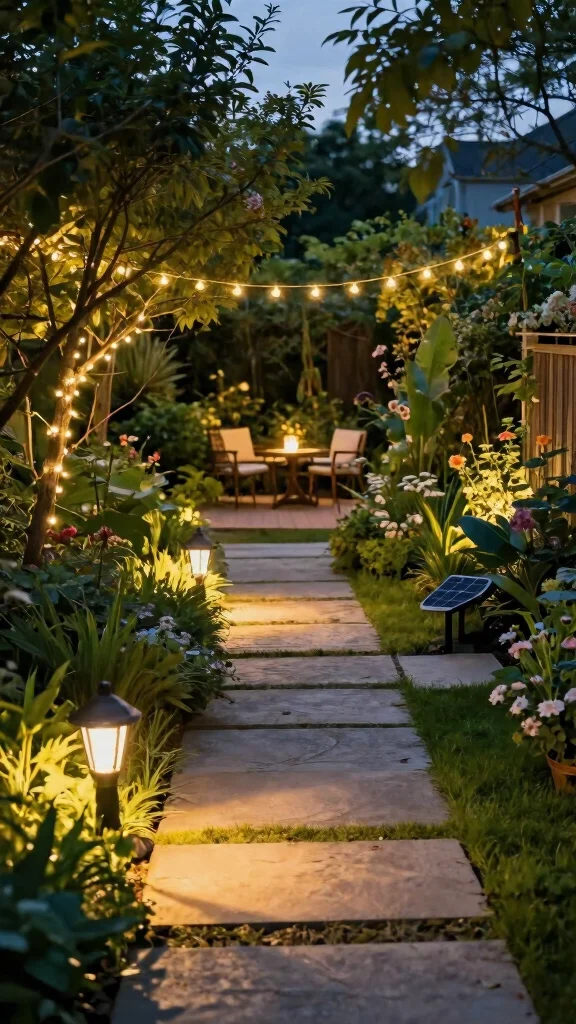
Lights extend outdoor time and create mood. Solar and string lights add sparkle without heavy work. Position them along paths, near water, and on focal plants. Low maintenance, high impact.
Use solar powered lights that charge in sun all day. Place along walkways to guide visitors safely at night. Highlight key plants or water features for focus and drama. Choose warm white tones for cozy glow.
• Use solar powered lights that charge in sun all day
• Place along walkways to guide visitors safely at night
• Highlight key plants or water features for focus
• Choose warm white tones for cozy glow
Night lighting makes your yard feel inviting and safer.
14. Create a Wildlife Habitat
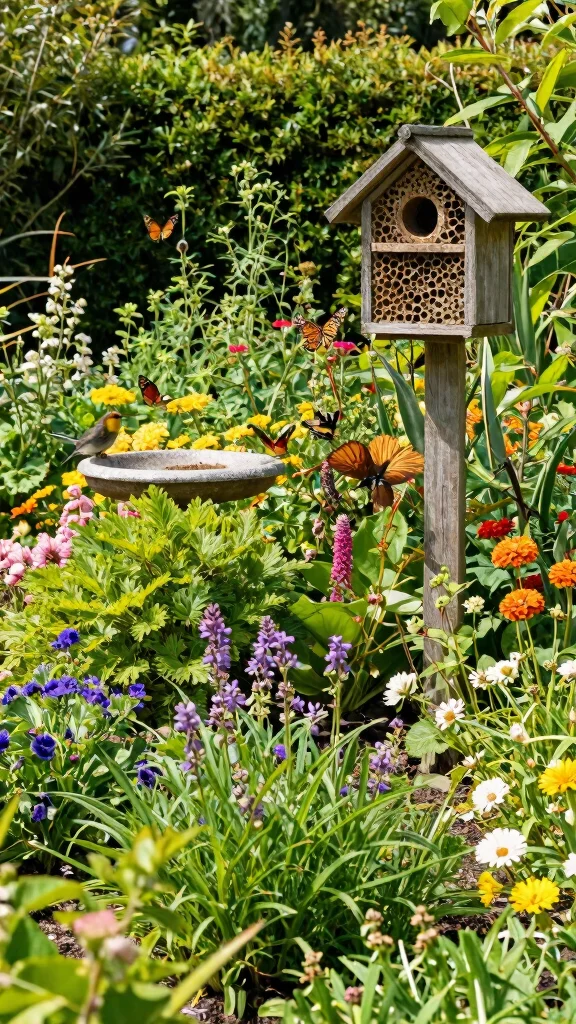
Turn your yard into a friendly home for birds and bees. Plant nectar-rich flowers and berry shrubs to feed them. Add bird baths and nesting boxes to invite activity. A thriving habitat reduces garden chores because nature does the work.
Plant flowering natives to feed pollinators year-round. Add bird baths and bee hotels for shelter. Provide berries on shrubs for natural meals throughout seasons. Place nesting boxes where birds feel safe.
• Plant flowering natives to feed pollinators year-round
• Add bird baths and bee hotels for shelter
• Provide berries on shrubs for natural meals throughout seasons
• Place nesting boxes where birds feel safe
A lively garden thrives with less manual care.
15. Use Permeable Paving
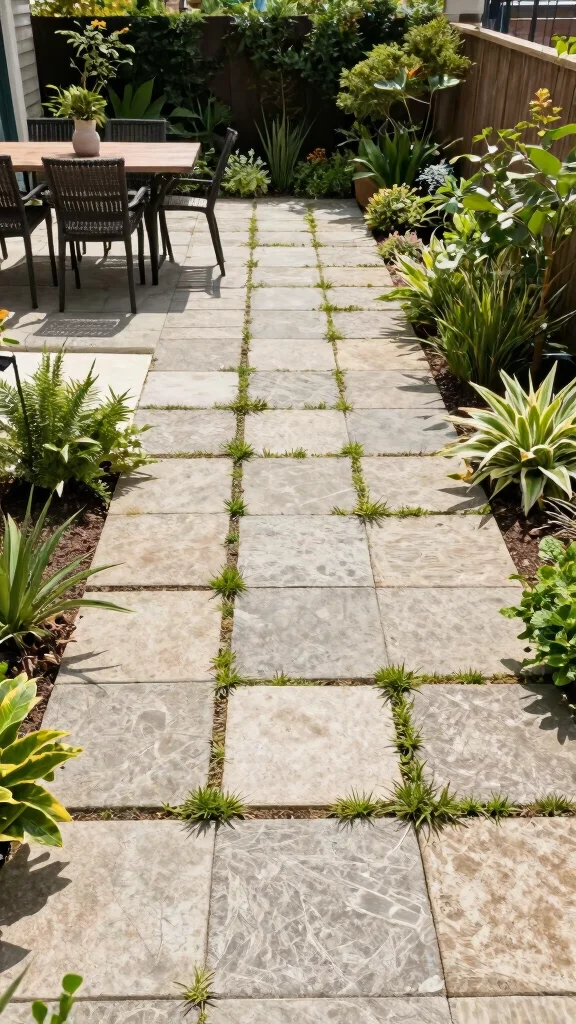
In urban settings, rain runoff is a challenge. Permeable paving lets water seep through, reducing puddles and erosion. Choose permeable bricks, stones, or porous asphalt for driveways and paths. This helps drainage while keeping a natural water cycle.
Use brick or stone that drains well in all weathers. Pair with soil and grass to soften edges. Check local codes before installation in your area. Mix sizes for visual interest in paths.
• Use brick or stone that drains well in all weathers
• Pair with soil and grass to soften edges
• Check local codes before installation in your area
• Mix sizes for visual interest in paths
Permeable paving supports drainage and saves maintenance.
16. Incorporate Furniture Made from Recycled Materials
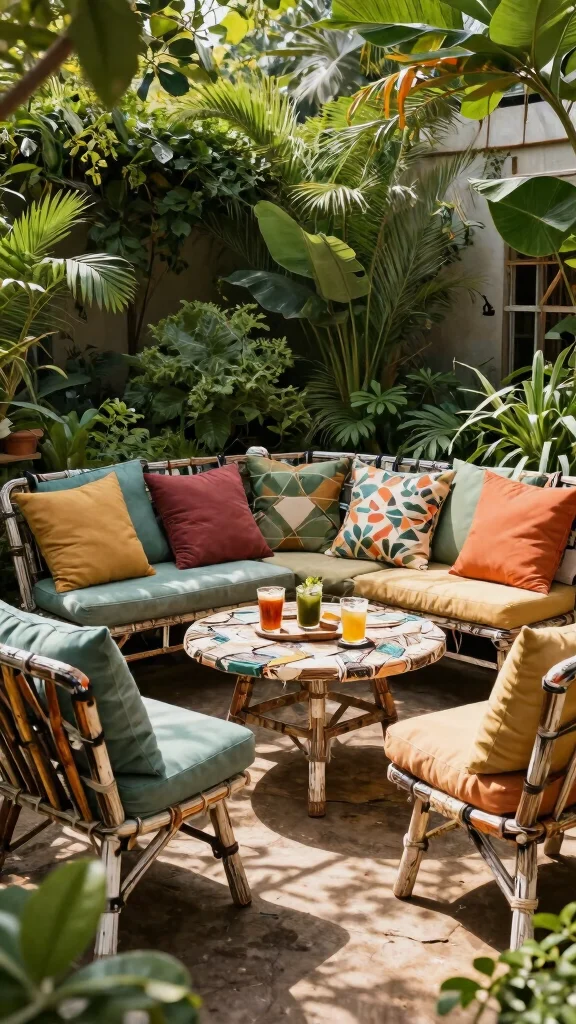
Sustainable garden furniture can elevate your outdoor space while cutting your footprint. Choose pieces from reclaimed wood, recycled plastics, or metal salvage. Add bright cushions to lift the look and tie to your color scheme. Durable finishes handle weather well and last.
Use reclaimed wood pieces for warmth and history. Pair with colorful cushions for contrast and comfort. Choose durable finishes to handle weather exposure. Support local makers who upcycle materials.
• Use reclaimed wood pieces for warmth and history
• Pair with colorful cushions for contrast and comfort
• Choose durable finishes to handle weather exposure
• Support local makers who upcycle materials
Your outdoor space becomes kinder to Earth and inviting.
Great garden renovation starts with furniture you actually want to sit on. Recycled materials bring warmth, color, and zero guilt – mix reclaimed wood with durable finishes and bright cushions for a space you’ll use every day.
17. Create a Zen Garden
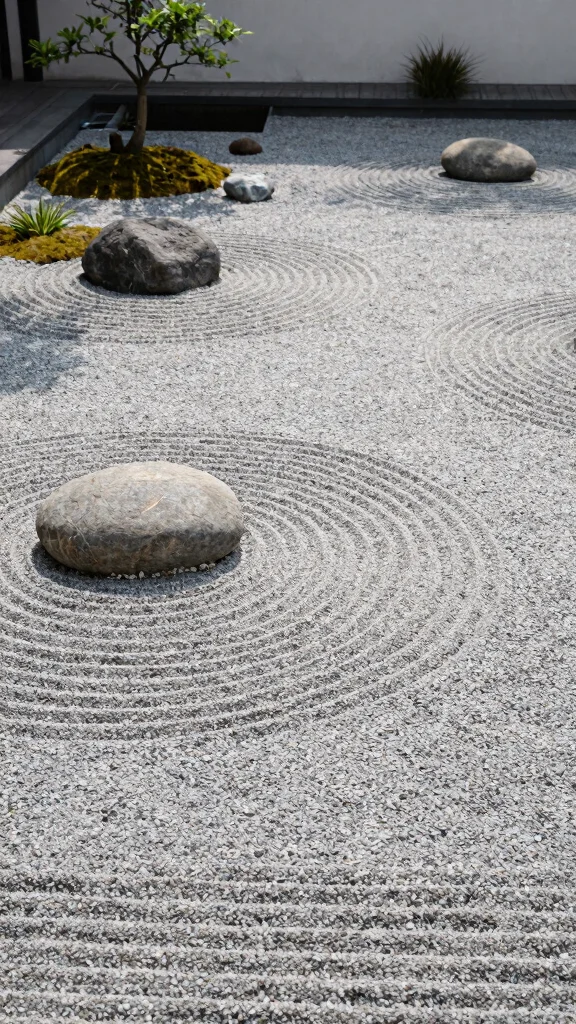
Zen spaces feel calm and clear with simple elements. Raked gravel, smooth stones, and a few plants create focus. Add a light water feature for subtle sound. This style suits small urban yards and routine life.
Use gravel to form gentle patterns in the sand. Place rocks and moss for texture and contrast. Add a small water feature if space allows. Keep decor minimal for serenity throughout the area.
• Use gravel to form gentle patterns in the sand
• Place rocks and moss for texture and contrast
• Add a small water feature if space allows
• Keep decor minimal for serenity throughout the area
A quiet corner can renew energy every day.
Zen spaces prove that less truly is more. In a tiny urban yard, gravel, smooth stones, and a subtle water feature can turn chaos into calm—one serene corner at a time. A small garden renovation goes a long way toward daily peace.
18. Upgrade with Smart Gardening Tools
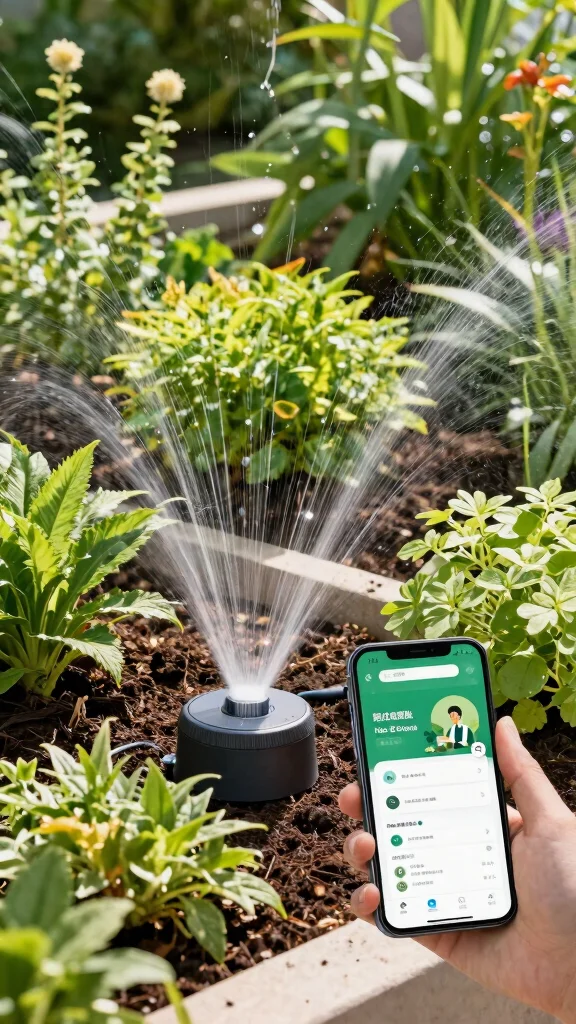
Smart tools take guesswork out of care. A connected irrigation system and soil sensor tell you when to water. Apps guide planting and reminders. This tech makes gardening smoother and more fun.
Use smart irrigation with soil sensors for precise watering. Check moisture via a garden app for tips. Choose tools that sync with your phone easily. Start small and grow as you learn over time.
• Use smart irrigation with soil sensors for precise watering
• Check moisture via an app for tips
• Choose tools that sync with your phone easily
• Start small and grow as you learn over time
Tech helps you keep a beautiful yard with less effort.
Conclusion
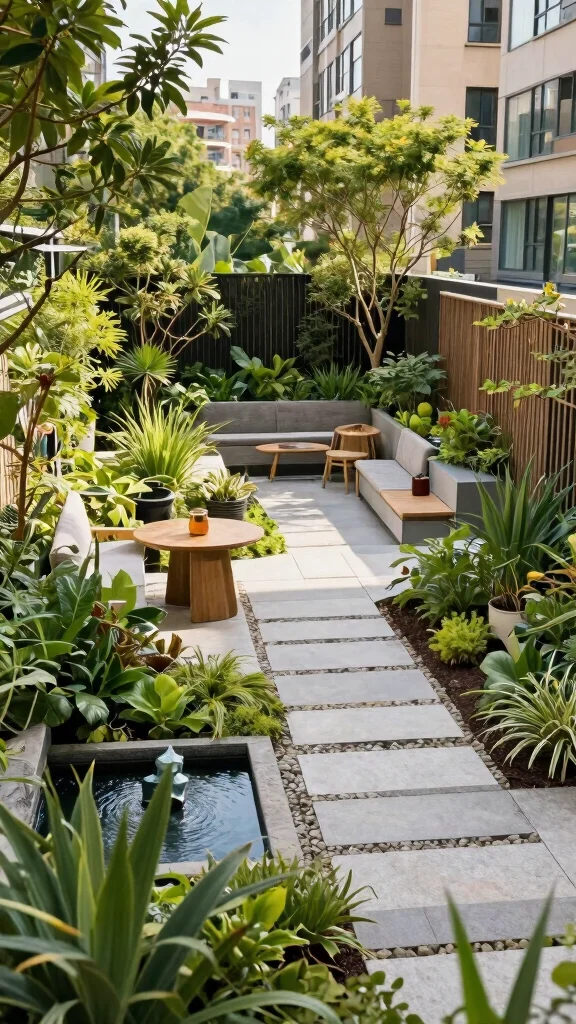
Revamping your garden can be an exciting journey towards sustainability and low maintenance. Each of these ideas offers a unique way to create an outdoor space that’s not only beautiful but also easy to care for.
By embracing these garden renovation strategies, you’ll enjoy a vibrant yard while spending less time on upkeep and more time savoring the beauty of your surroundings. Transform your small urban space into a green oasis that reflects your style and values.
Frequently Asked Questions
What are practical garden renovation ideas for a small, urban yard with low maintenance?
For a small urban yard, practical garden renovation ideas that stay low maintenance include a durable hardscape to define areas, plus vertical gardening or container beds to maximize growing space without heavy soil work.
Choose low-maintenance plants and native species that fit sun and shade conditions, group plants by water needs to simplify irrigation, and mulch generously to suppress weeds and retain moisture. Add a simple irrigation option or a rain barrel to cut watering time, and select weather-resistant materials to reduce upkeep. A thoughtful outdoor design in a compact space can feel lush without extra work.
How can I incorporate sustainable gardening into a backyard makeover for a tiny outdoor space?
Incorporating sustainable gardening into a backyard makeover for a tiny space starts with soil health—compost kitchen scraps and mix in organic matter. Choose native or drought-tolerant plants and install a water-efficient system like drip irrigation. Use rain barrels to harvest rainwater, permeable surfaces to reduce runoff, and vertical planters to maximize growing area. Mulch to conserve moisture and minimize weeds, and select resilient, low-maintenance features that fit your landscaping tips for sustainable results.
What are the best low-maintenance plants for a small garden renovation that still looks lush?
For a small garden renovation that feels lush with minimal effort, pick a mix of native perennials, hardy evergreens, ornamental grasses, and a few well-placed low-maintenance plants for year-round interest. Add drought-tolerant succulents in sunny spots and use groundcovers to reduce weeding. Group plants by sun exposure, repeat a few colors for cohesion, and container-garden a few focal spots for flexibility. With smart plant choices, your space stays vibrant with less upkeep.
What steps should I take to plan a garden renovation that reduces ongoing upkeep?
Start with a clear plan: assess sun, shade, and wind to map microclimates, then define zones for seating, planting, and storage. Choose a cohesive outdoor design palette and select low-maintenance plants and durable materials. Install an efficient irrigation system, mulch beds, and ensure proper drainage. Create a maintenance calendar with seasonal tasks and start small with a pilot area to refine your garden renovation approach.
How can I maximize curb appeal with an affordable, low-maintenance outdoor design?
Boost curb appeal with an affordable, low-maintenance plan by focusing on the entry and front yard first. Use a limited color palette and repeat plantings for a cohesive look, add simple lighting to highlight features, and incorporate vertical accents like trellises or wall planters to make the space feel larger. Choose sustainable gardening practices, such as native plants and mulch, to keep upkeep minimal, and pair them with durable furniture for a welcoming outdoor design that enhances your garden renovation.