
Creating a productive and inspiring learning environment can sometimes feel like an uphill battle. As educators, we know that a well-decorated classroom can truly make a difference. That’s why I compiled these 18 classroom decor ideas that not only enhance focus but also spark creativity. If you’ve been searching for ways to transform your classroom into a green oasis of learning, you’re in the right place!
This post is for teachers, school administrators, and parents who want to create engaging spaces for students. You care about fostering a love for learning and want your classroom to reflect that passion. Whether you’re aiming for a cozy, nature-inspired vibe or a vibrant, interactive space, these ideas will help you captivate young minds.
In this post, you’ll find practical decor tips that incorporate eco-friendly principles. From nature-inspired learning spaces to upcycled furniture, each idea is designed to be both sustainable and stylish. You’ll learn how to use simple home accessories to create a stimulating environment where students feel motivated and inspired. Get ready to transform your classroom into a place where every student can thrive!
Key Takeaways
– Nature-inspired decor can create a calming atmosphere that enhances student focus, using elements like plants and natural colors.
– Flexible seating arrangements encourage movement and collaboration, allowing students to choose their learning space for optimal comfort.
– Interactive bulletin boards keep students engaged and provide them with opportunities to express their creativity and ideas.
– Incorporating eco-friendly art supplies minimizes waste and promotes sustainability in the classroom while allowing for creative expression.
– Thematic decor rotations can refresh the classroom’s look throughout the year, keeping the environment exciting for students.
Contents
- 1. Nature-Inspired Learning Spaces
- 2. Flexible Seating Arrangements
- 3. Interactive Bulletin Boards
- 4. Eco-Friendly Art Supplies
- 5. Inspirational Quotes and Affirmations
- 6. Nature-Themed Learning Stations
- 7. Sound-Absorbing Decor
- 8. Educational Plant Displays
- 9. Creative Lighting Solutions
- 10. Thematic Decor Rotations
- 11. Wall-Mounted Storage Solutions
- 12. Colorful Area Rugs
- 13. DIY Eco-Friendly Decor
- 14. Mindfulness Corners
- 15. Student Project Galleries
- 16. Upcycled Furniture
- 17. Aromatherapy and Scented Decor
- 18. Tech Integration with Eco-Friendly Focus
1. Nature-Inspired Learning Spaces
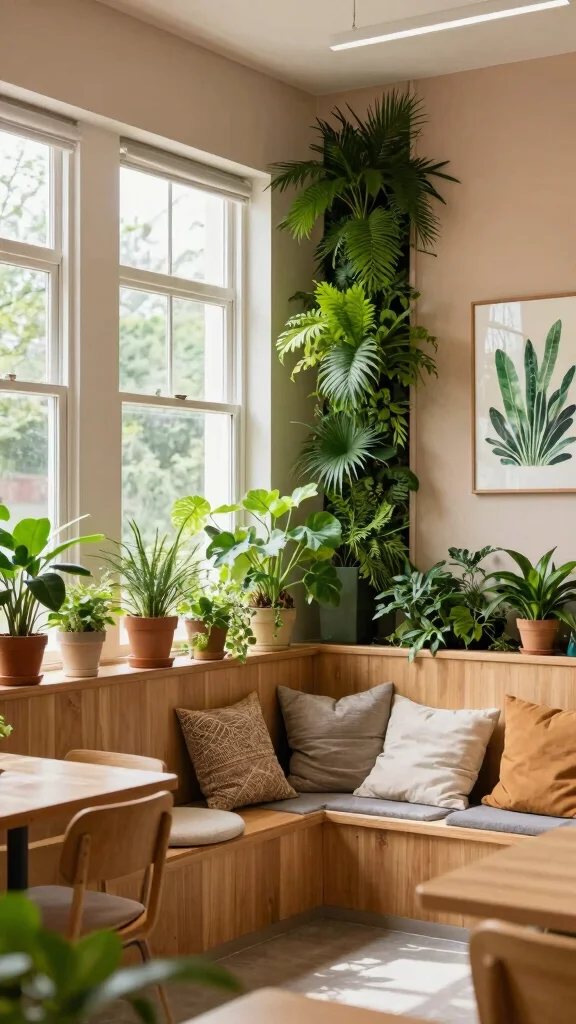
This element grounds the room in a soft organic vibe that supports calm focus. Bring in plant life, natural textures, and earthy colors to craft a serene backdrop. A few potted plants or a vertical garden can purify air and soften the room. Wooden furniture adds warmth, while leaf prints tie the theme together. Pinterest loves nature-inspired classrooms, and teachers report calmer energy.
Place low-maintenance plants where students gather to soften edges and invite curiosity.
Choose durable wood furniture and simple nature art to keep costs in check.
Create small greenery corners and a vertical garden to connect indoors with the outdoors.
These choices boost comfort, reduce glare, and spark curiosity about the natural world.
• Use plant life for mood and focus
• Add wooden shelves to display projects nearby
• Choose biodegradable materials to stay eco-friendly
• Place plants in corners to calm noise
These nature-inspired choices make the room feel calm, welcoming, and ready for learning.
2. Flexible Seating Arrangements
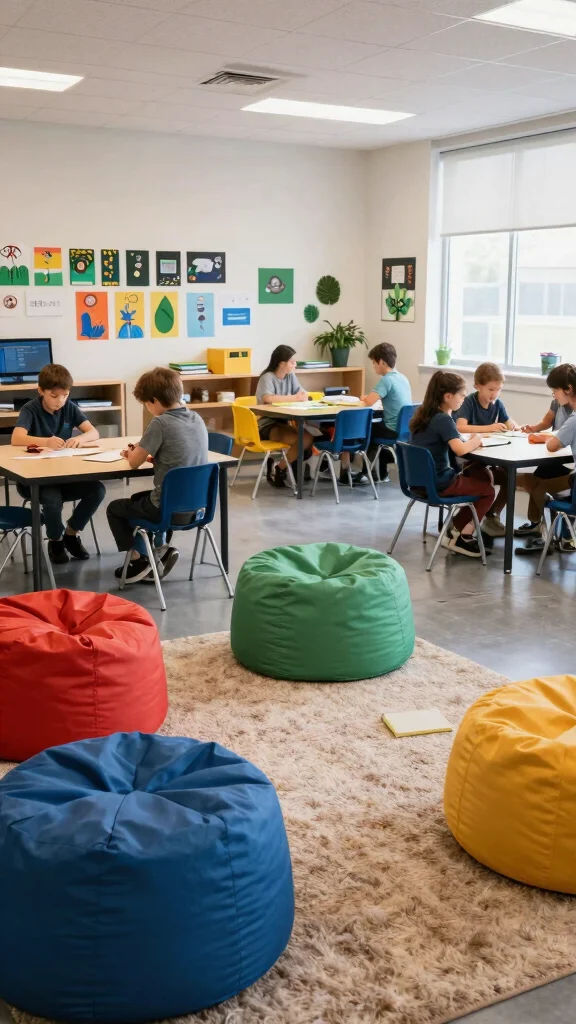
Flexible seating reshapes the room into a lively hub that supports collaboration and comfort. Scatter soft area rugs, bean bags, and floor cushions so students pick their spot. Let walls host modular shelves to create zones that invite different kinds of work. This setup reflects a modern classroom trend seen in many schools and design blogs. The space feels warm and inviting, not rigid.
Place low-cost seating where students gather to improve comfort and engagement.
Choose lightweight furniture to enable quick rearranging for group work.
Pick floor cushions in calming colors to reduce distraction.
Add portable whiteboards to support dynamic collaboration.
These choices make learning lively and comfortable, perfect for inclusive, hands-on study.
3. Interactive Bulletin Boards
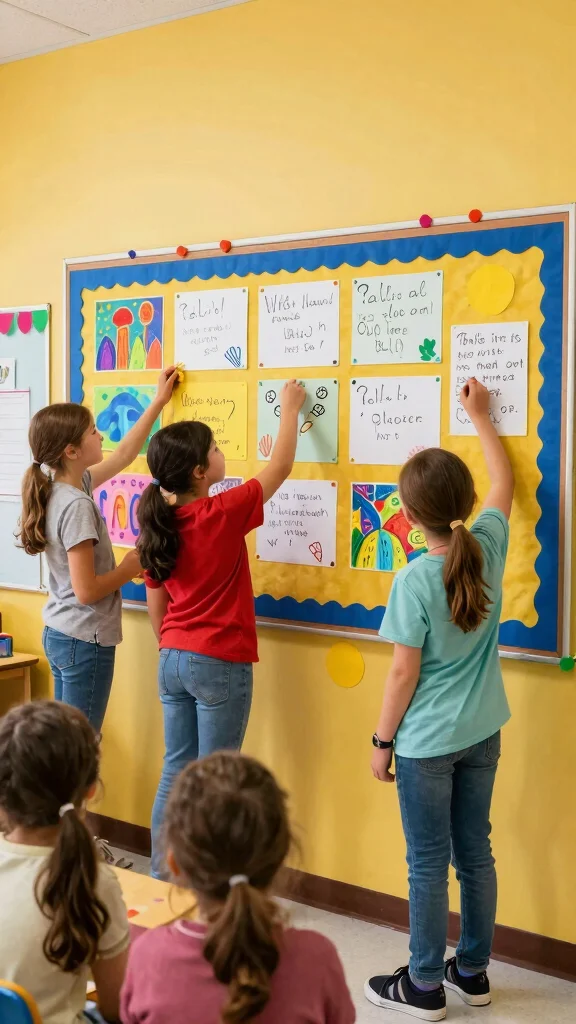
Interactive boards turn walls into living learning tools. Students add thoughts or art, not just display. Rotate themes that match lessons, like environment or cultural diversity, to keep the decor fresh and relevant. This approach invites ongoing engagement and ownership.
A ‘Question of the Week’ section invites inquiries. A collaborative art board grows with student pieces over time. Themed displays shift based on input and progress, making the space feel alive.
• Use Question of the Week to spark curiosity
• Create a Collaborative Art Board for ongoing projects
• Feature rotating displays tied to learning goals
• Use removable magnets for easy updates
These boards turn class walls into active learning spaces.
4. Eco-Friendly Art Supplies
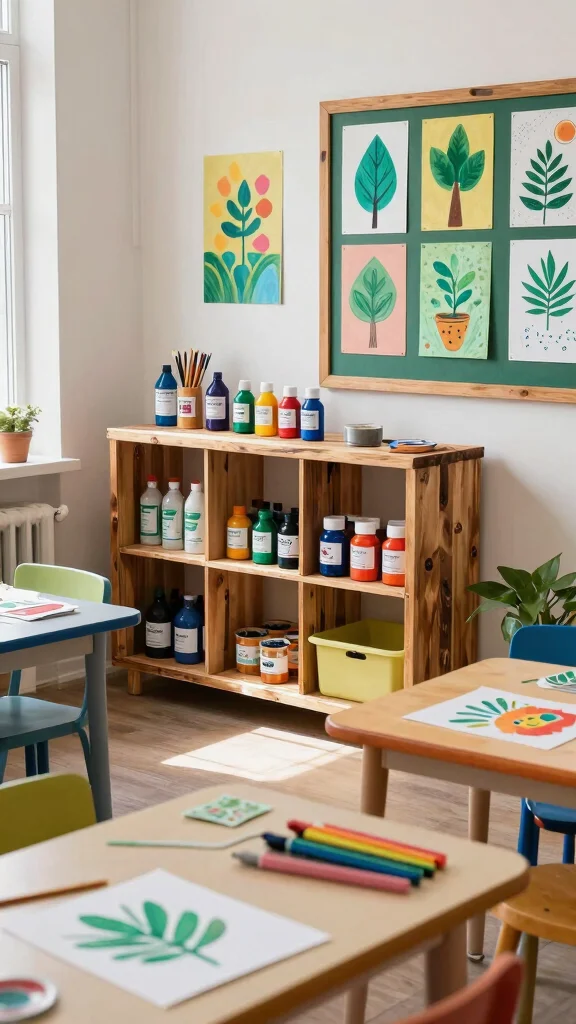
Eco-friendly art supplies spark creativity while teaching care for the planet. Choose non-toxic paints and papers, plus biodegradable options. Students explore art with less footprint and more imagination. Recycled materials can lead to playful, clever projects.
Keep a stash of recyclable materials for projects and host regular clean-up days to repurpose waste. Use nature as art resources, like leaves, stones, and natural dyes, to spark ideas without waste.
• Use non-toxic paints for safe projects
• Choose recycled papers and materials
• Store materials in labeled bins for easy access
• Introduce nature as a resource for inspiration
These practices nurture creativity while modeling sustainability in every stroke.
Eco-friendly art supplies prove that classroom creativity and care go hand in hand. When students reach for non-toxic paints and recyclable papers, imagination thrives while waste stays in check.
5. Inspirational Quotes and Affirmations

Motivational quotes and affirmations lift mood and foster a growth mindset. Use bold posters or a chalkboard wall where students add favorites. Place them where they’re seen daily to create a quick positivity boost. The decor becomes a cheerleader for learning.
Rotate quotes to keep energy fresh. Let students craft affirmations from personal stories. Print or display with eco-friendly materials to align with green goals.
• Rotate quotes regularly for fresh inspiration
• Have students write personal affirmations
• Use eco-friendly prints for a greener classroom
• Position in high-visibility areas for daily encouragement
These ideas keep the space uplifting and ever-motivating.
6. Nature-Themed Learning Stations
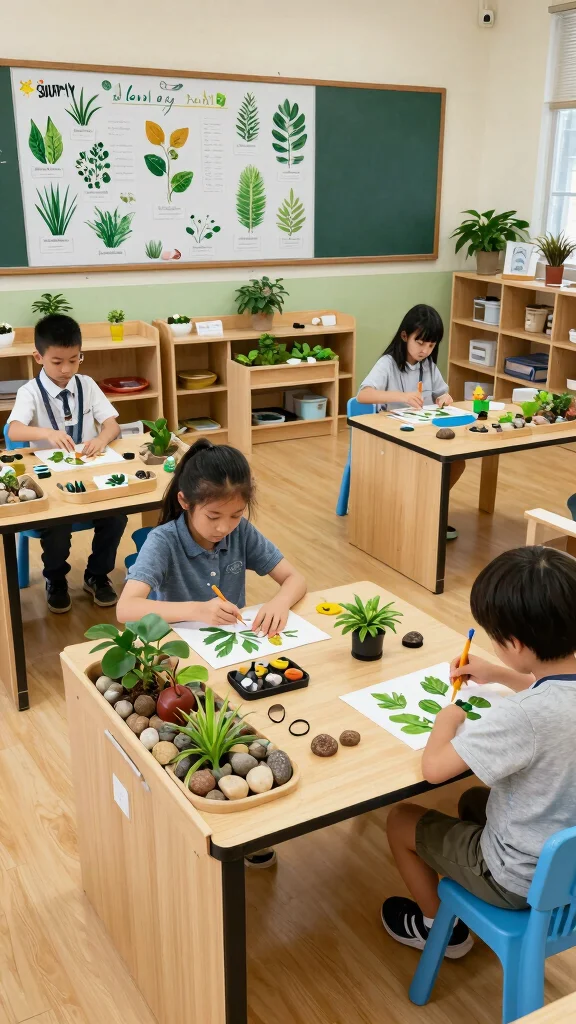
Nature-themed stations immerse students in the outside world. Each station covers different topics like biology, geography, and ecology. Wood and stone textures make lessons feel tactile and real. Rotate themes with the seasons to keep learning fresh.
Let students help build and maintain stations so they care for the setup. Tie learning to outdoor trips that reflect classroom work. Keep a few plants or rocks at stations to spark hands-on discovery.
• Rotate themes with the seasons to stay current
• Let students help create and maintain stations
• Use natural materials to boost touch learning
• Link work to outdoor trips and real-world visits
These stations turn learning into an engaging, living experience.
7. Sound-Absorbing Decor
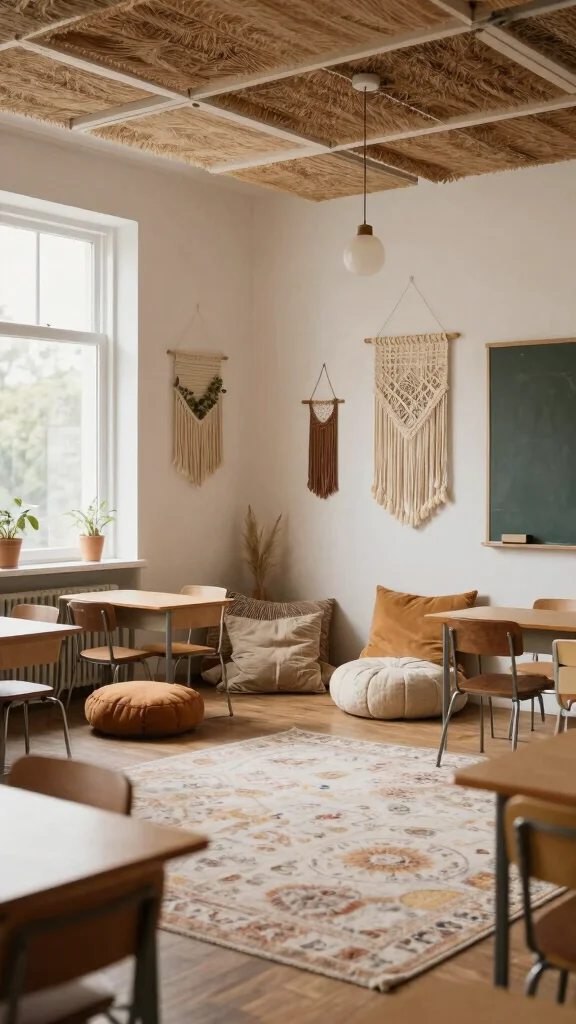
Calm classrooms rely on good acoustics. Use soft textiles, rugs, and wall hangings made from natural fibers to soak sound. Quiet spaces feel cozier and help focus during lessons. Eco-friendly options also reduce noise fatigue.
Choose ceiling tiles or wall panels from recycled materials. Add dense cushions to absorb chatter in seating areas. Create a quiet corner with plush furnishings for focused study.
• Use soft textiles and rugs to dampen noise
• Choose panels from recycled materials
• Place a quiet corner with plush furnishings
• Add ceiling tiles to reduce echo and glare
These elements make focus easier and everyday learning calmer.
8. Educational Plant Displays
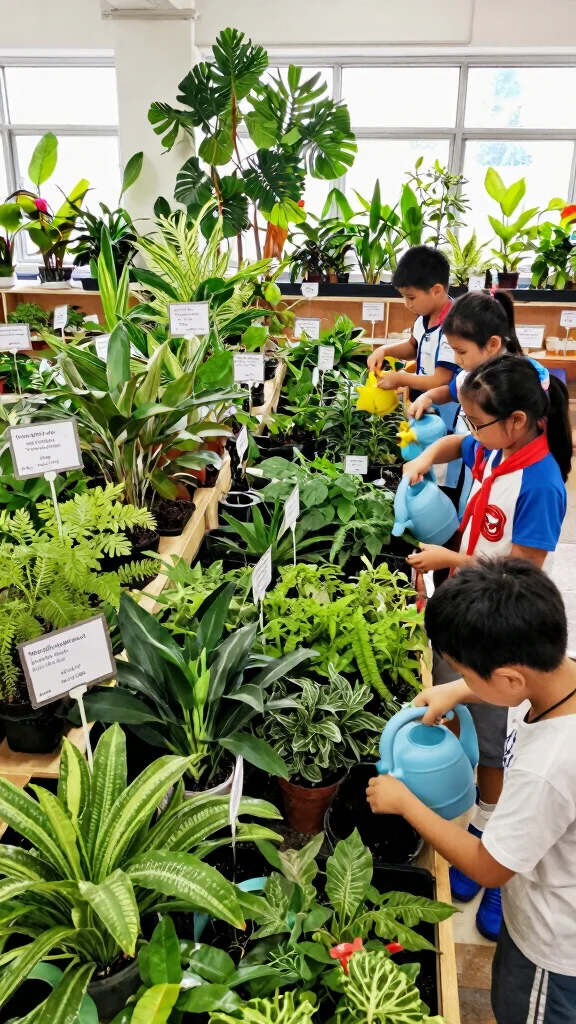
Plant displays teach botany and ecology in a living form. Label plants to spark curiosity and inquiry. A small indoor garden or terrariums invites responsibility as students care for living things.
Involve students in planting and upkeep. Choose easy-care plants like herbs or succulents. Use lessons on photosynthesis and ecosystems with plants as real-life examples.
• Use labeled plants to spark curiosity
• Involve students in planting and care
• Include easy-care species like herbs or succulents
• Tie lessons to photosynthesis and ecosystems
Living displays turn classroom biology into daily observation.
Fun fact: Labeled plant displays boost curiosity and recall; students remember more when they label, care for, and observe living plants. Involve them in planting easy-care herbs or succulents, turning a simple garden into practical classroom decor ideas they own.
9. Creative Lighting Solutions
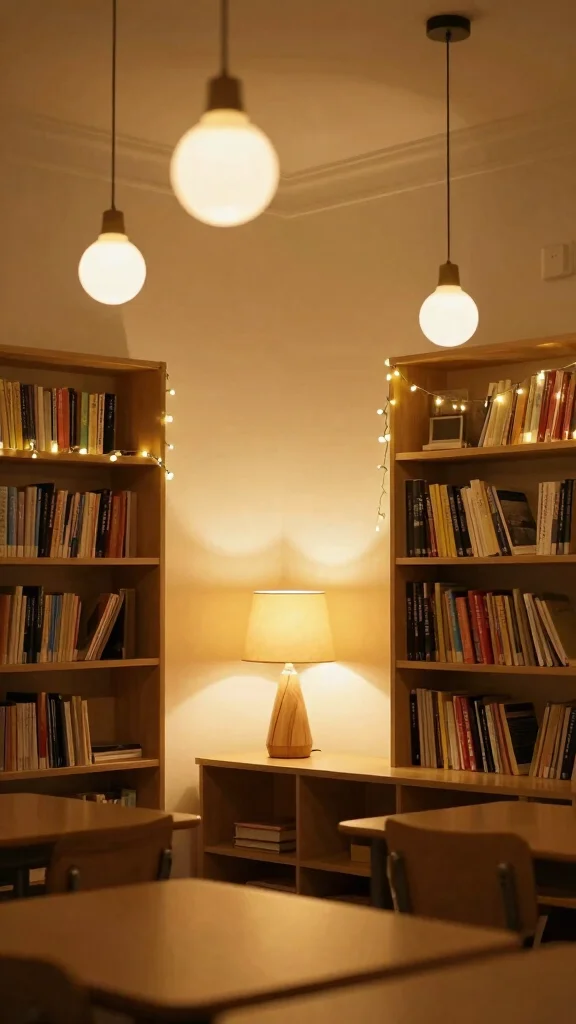
Lighting sets mood and focus. Move away from harsh fluorescents to warm, energy-efficient LEDs, string lights, or lamps from natural materials. Soft, adjustable lighting suits reading corners and idea bursts.
Use warm bulbs for reading nooks. Hang string lights to add charm and spark imagination. Install dimmable fixtures to shift light for different tasks.
• Use warm LED bulbs for cozy reading
• Choose string lights to spark creativity
• Install dimmable fixtures for day to night shifts
• Place lamps near work zones for comfort
These lighting options shape mood and keep energy high for learning.
Light sets the mood for every lesson: warm LEDs cut glare and boost focus. In our classroom decor ideas, swap harsh fluorescents for cozy, energy-saving layers—warm bulbs, string lights, and dimmable fixtures—and watch reading corners become magnets for ideas.
10. Thematic Decor Rotations
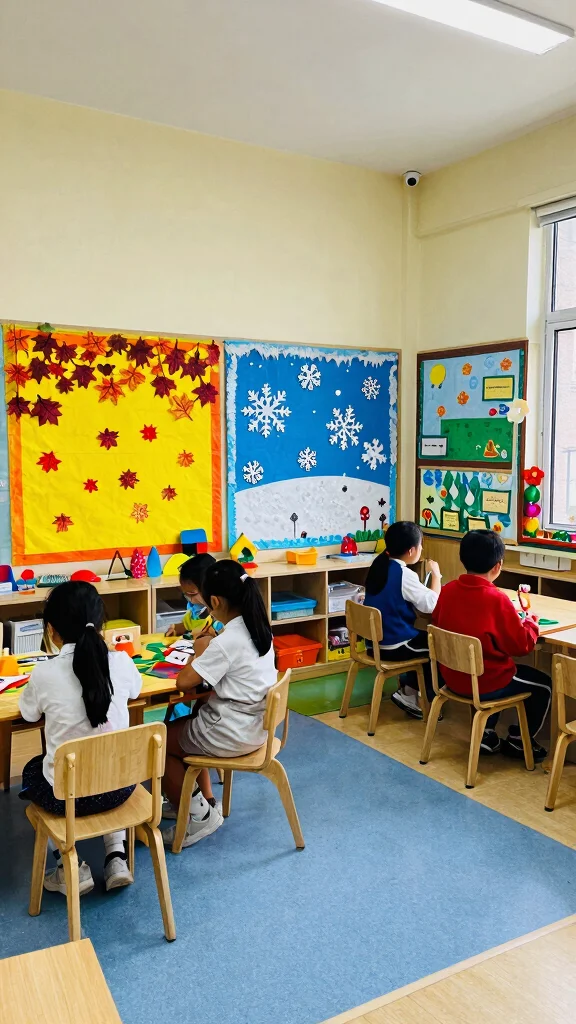
Rotate decor to keep the space lively and surprising. Themes can follow seasons or classroom subjects like space or oceans. Seasonal decor helps connect students to the outside world and shows change over time.
Plan themes in advance and involve students. Use modular decor for quick changes. Celebrate transitions with quick activities that tie to the theme.
• Plan themes in advance with student input
• Use modular decor for quick changes
• Link themes to seasons or topics
• Celebrate transitions with short, engaging activities
Rotations make the room feel fresh and curious.
11. Wall-Mounted Storage Solutions
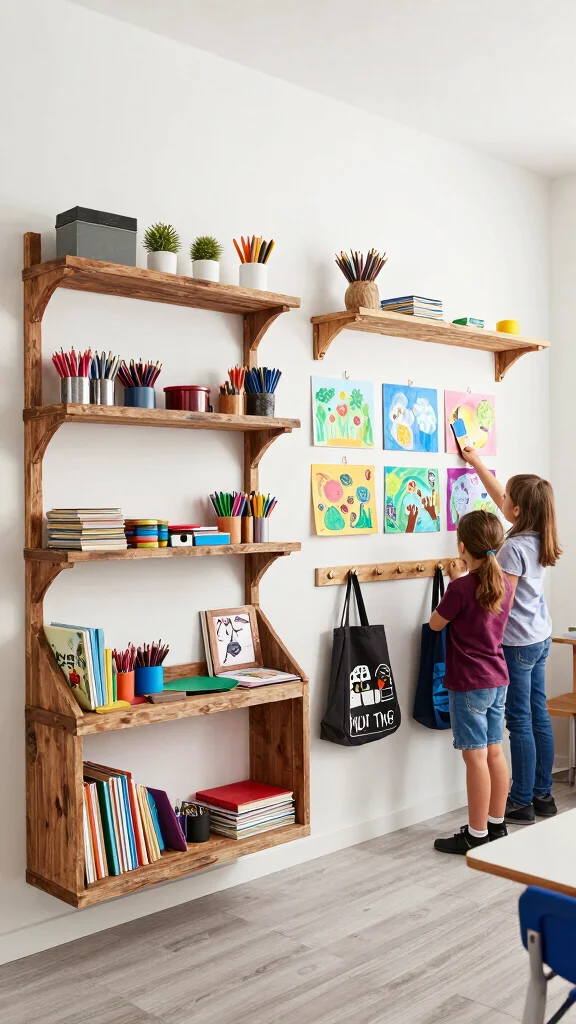
Wall-mounted storage frees floor space and adds style. Reclaimed wood shelves and hooks declutter while keeping things within reach. A neat room feels calmer and more inviting. Encourage students to use these spaces to grow responsibility.
Label zones clearly so items belong. Designate areas for projects and supplies to foster ownership. Use clear bins for visibility while keeping a clean look.
• Label spaces clearly for ownership
• Designate areas for student projects
• Use clear bins for visibility
• Mount shelves with safe hardware
Clear, smart storage supports smoother daily routines.
12. Colorful Area Rugs
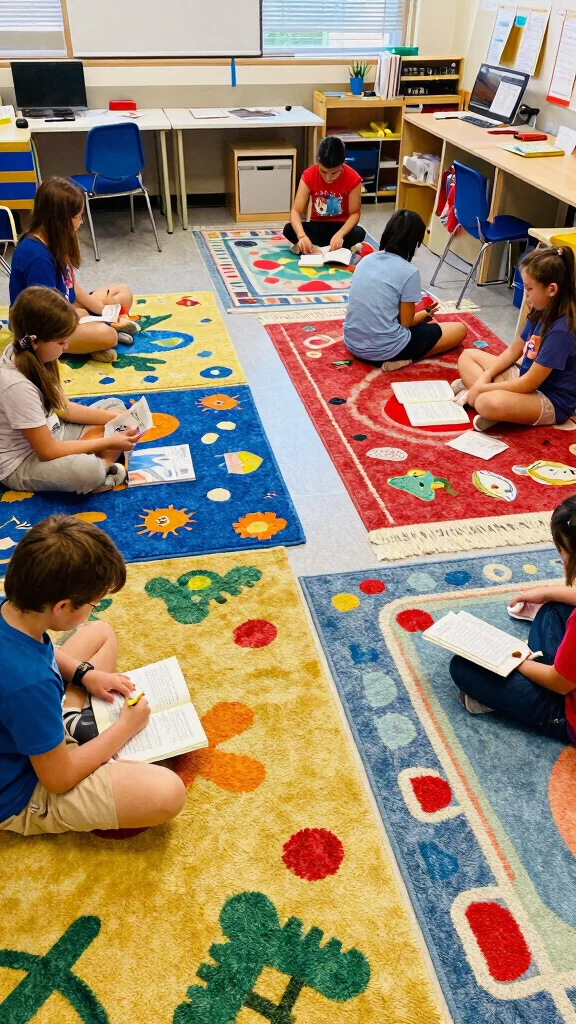
Area rugs add warmth and mark different activity zones. Choose vibrant, easy to clean, eco-friendly options. Rugs boost comfort for group talks, reading, or creative time. They also help with sound dampening.
Use rugs to define zones like reading corners or collaboration spaces. Pick colors that echo the classroom theme for a cohesive look. Ensure materials are non-toxic and sustainable for safety.
• Use vibrant rugs to define zones in the room
• Pick eco-friendly, non-toxic materials
• Align rug colors with classroom theme
• Clean and maintain for longevity
Rugs create cozy spots that invite learning.
13. DIY Eco-Friendly Decor
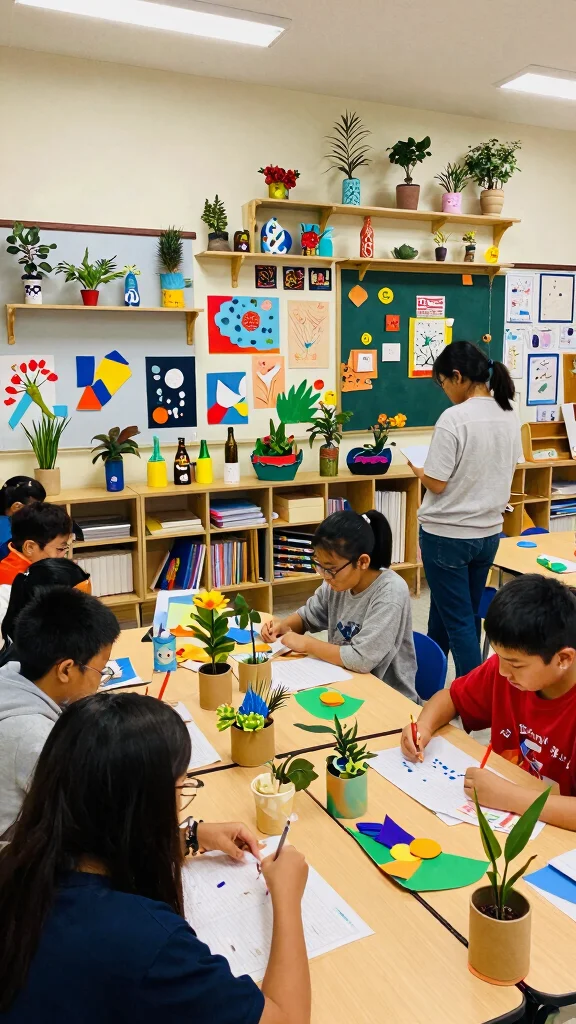
DIY decor invites creativity and teaches reuse. Students become part of the design story by using scrap materials or recycled items. The classroom becomes a living design lab.
Host a decor-making day so students show their work. Display their pieces in a central spot to celebrate effort. Use scraps for bold, new projects and spark talks about waste reduction.
• Host a decor-making day for students to shine
• Display student creations in a central gallery
• Use recycled scraps for vibrant art projects
• Tie projects to waste-reduction lessons in class
These projects turn crafting into real learning.
14. Mindfulness Corners
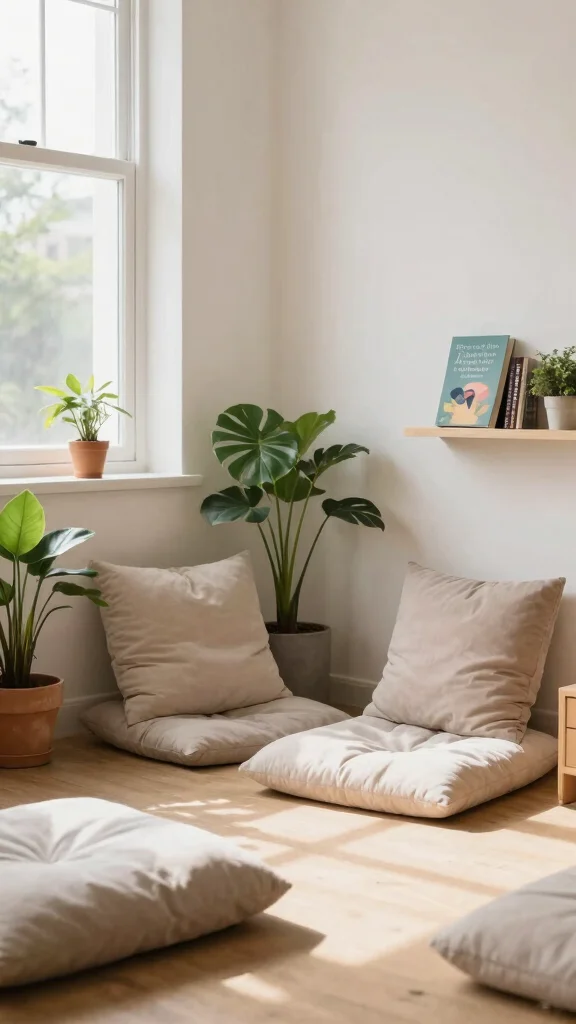
A mindfulness corner supports well being and focus. Calming elements like cushions, soft lighting, and natural decor invite rest. Students use the space for quick breaks and reflection. Routine mindful moments boost attention.
Include books on mindfulness and stress relief. Use natural textures to keep the space inviting. Let students suggest items to include, building ownership.
• Include mindfulness books and calm visuals
• Use natural textures for inviting space
• Allow student input on interior items
• Keep a simple daily routine for practice
Calm corners help minds reset and learning continue.
15. Student Project Galleries
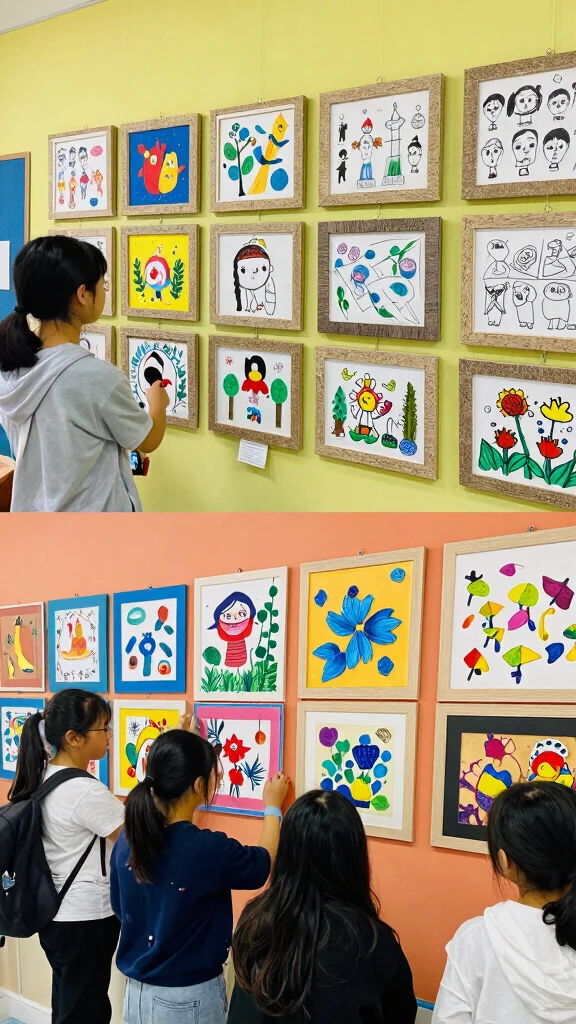
A gallery area celebrates student work and pride. Rotate displays often to keep motivation high. A Wall of Fame spotlights different subjects and talents. Being featured builds confidence and encourages more effort.
Designate a rotating gallery area for each subject. Use recycled frames to create a green display. Let students curate their sections for ownership. Include peer feedback to drive growth.
• Designate a rotating student gallery area
• Use recycled frames for a green display
• Let students curate their own sections
• Include peer feedback in displays
Showcasing work makes students feel seen and capable.
16. Upcycled Furniture
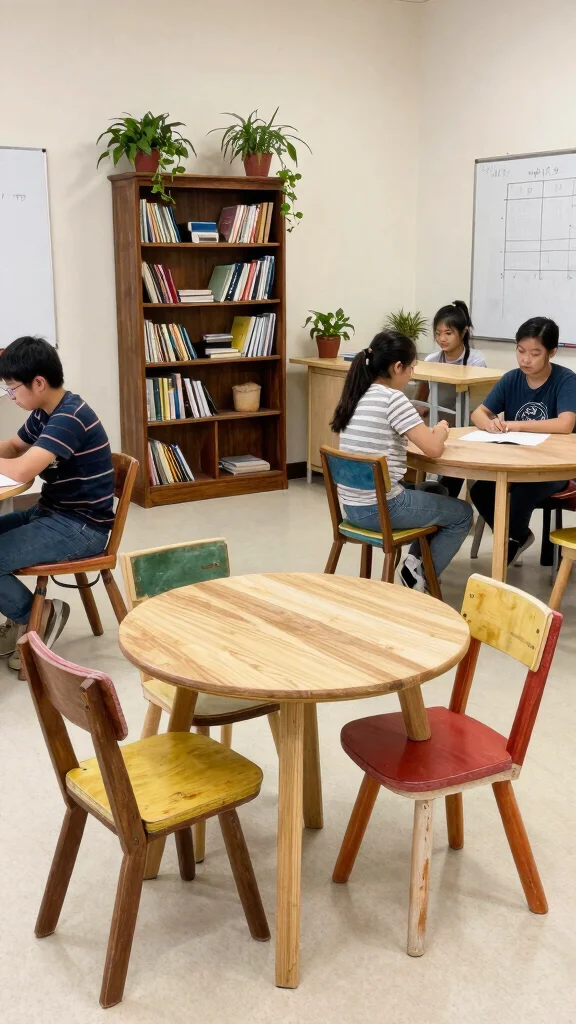
Upcycled pieces bring character and teach sustainability. Find second-hand items and refresh them with paint or new fabric. A DIY approach saves money and invites hands-on learning. Each piece tells a tiny story.
Let students join in choosing colors and fabric for ownership. Use furniture that moves easily for varied activities. Highlight sustainability in class discussions about choices.
• Find second-hand pieces to refresh with paint
• Let students help choose colors and fabric
• Use pieces that move easily for activities
• Tie lessons to sustainability in discussion
Upcycled furniture makes a room feel creative and responsible.
17. Aromatherapy and Scented Decor
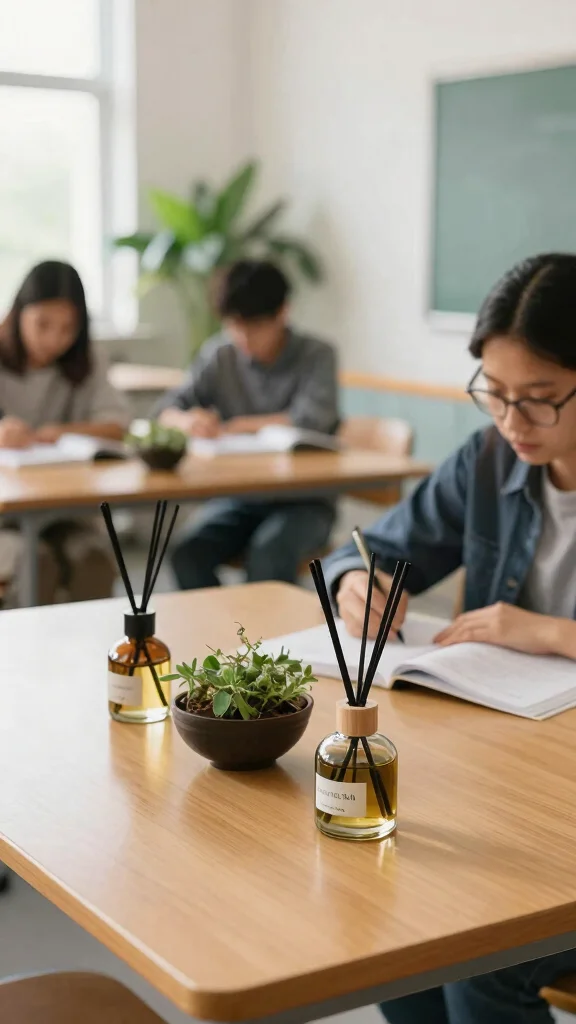
Scent can shape mood and focus. Use natural essential oils or gentle scents to calm the space. Aromas can ease anxiety and aid concentration when kept subtle.
Use diffusers with mild scents that stay unobtrusive. Let students pick safe aromas as a group. Keep scents away from allergy-prone zones. Tie aroma choices to science lessons about health or chemistry.
• Use diffusers with mild scents that are unobtrusive
• Allow students to select safe aromas together
• Keep scents away from allergy-prone zones
• Tie aroma choices to science lessons
Smell can lift focus when used thoughtfully.
18. Tech Integration with Eco-Friendly Focus
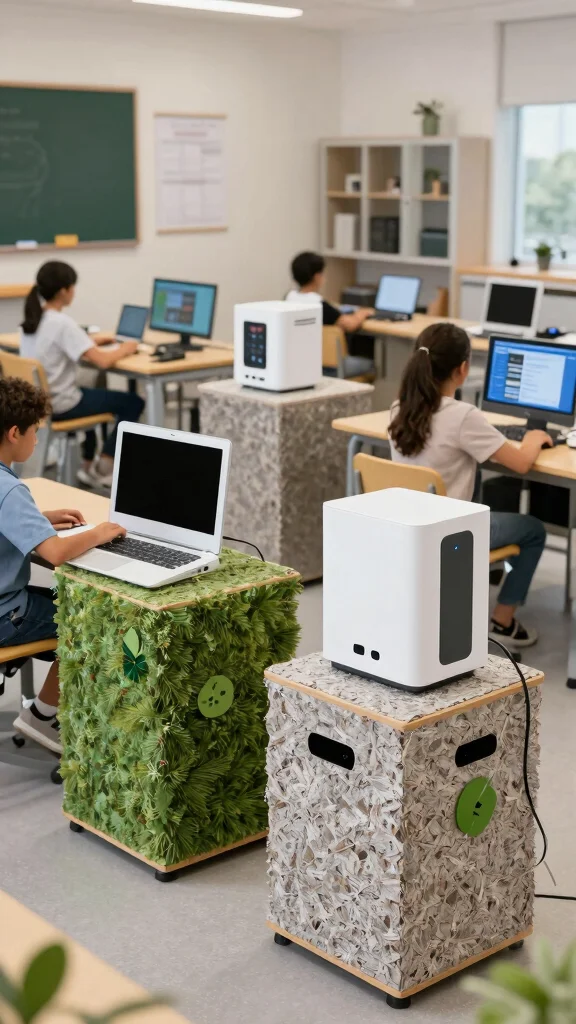
Technology boosts learning when it fits a green plan. Choose energy-efficient devices and push paperless projects to save resources. Apps can boost collaboration and creativity, while eco-friendly storage keeps spaces tidy.
Host digital projects that need little physical material. Teach digital citizenship and sustainability in tech use. Balance screen time with hands-on learning for a well rounded approach.
• Use energy-efficient devices to save power
• Promote paperless projects through apps
• Store devices in eco-friendly charging stations
• Balance screen time with hands-on work
Tech can amplify learning when it respects the planet.
Conclusion
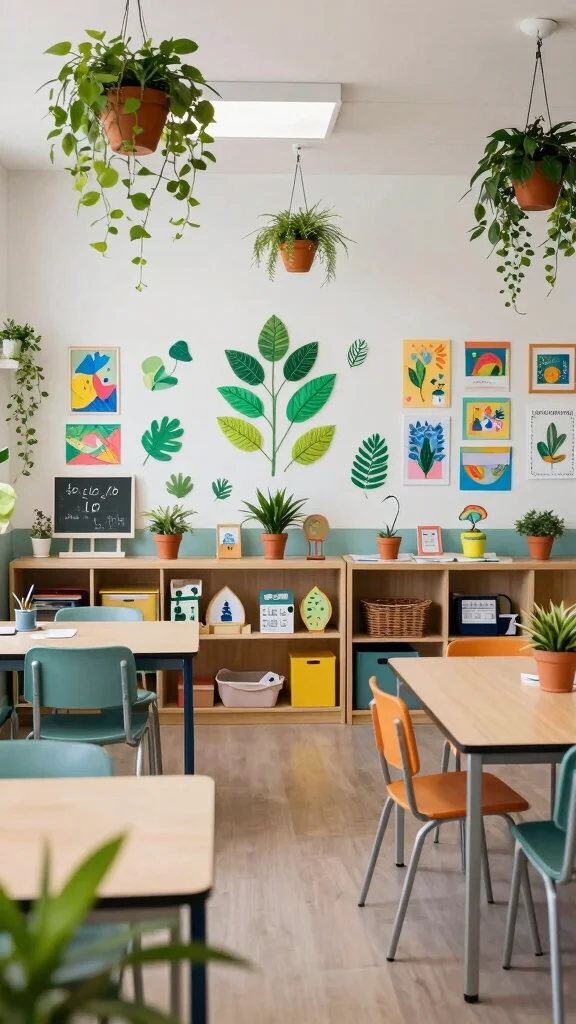
Revamping a classroom with eco-friendly decor can lead to enhanced focus and creativity among students. Each element, from nature-inspired decor to mindful spaces, contributes to an invigorating atmosphere.
As you consider these ideas, remember the power of a thoughtfully designed environment in fostering learning. Encourage student participation in decorating to create a sense of ownership and excitement about their learning space.
Frequently Asked Questions
What are some simple eco-friendly classroom decor ideas that boost focus and creativity?
Start with classroom decor ideas that lean on natural, eco-friendly elements. Add a few live plants to improve air quality and concentration.
Use upcycled frames and portable whiteboards to create flexible learning zones, and pick a calm green color palette to support focus and creativity.
Keep things modular and wall-friendly so ideas can flow and be rearranged as needed.
How can I incorporate green home accessories into classroom decor ideas on a budget?
Start with a few green investments: live plants, recycled frames, and cork boards. Shop at thrift stores and repurpose home accessories for school use, like storage bins or picture ledges. DIY wall art with recycled cardboard, fabric scraps, and chalk markers keeps costs down while refreshing classroom decor ideas.
Rotate pieces seasonally to stay fresh and sustainable.
Which colors and textures best support focus in classrooms using eco-friendly decor?
A calm green and blue palette helps with focus and steady thinking. Pair soft textures—like cotton banners and linen cushions—with durable, washable surfaces to stay eco-friendly and easy to clean. Avoid busy patterns; let natural textures—wood, plant life, and cork—provide warmth and subtle inspiration for creativity.
What space-saving ideas work well in small classrooms with eco-friendly decor?
Go vertical first: wall-mounted storage, tall plant shelves, and cork boards that free floor space. Choose green home accessories like recyclable bins and modular desks that fold away. Create distinct zones with color-coded labels so students can find materials quickly without crowding the room. Consider magnetic boards or whiteboard walls to reduce paper use.
How can I keep classroom decor ideas sustainable and easy to maintain?
Select washable fabrics and durable, reusable materials for classroom decor ideas. Use eco-friendly cleaners, rotate student artwork monthly, and store extras in labeled bins to minimize clutter. Involve students in upkeep—plant care, frame rotation, and tidy routines—so your home accessories help foster a greener classroom.