
Creating an art gallery wall is one of the simplest ways to add character and depth to any room. Whether you’re in a cozy apartment or a spacious house, a well-designed gallery wall can transform blank spaces into something striking and personal. I put this post together because I know how overwhelming it can be to figure out how to showcase art in a way that feels cohesive and stylish.
If you’re a homeowner, a renter, or simply someone who loves to decorate, this guide is perfect for you. It’s for anyone looking to elevate their living space and make it feel more curated. You might be grappling with small spaces or wondering how to make a bold statement without cluttering your walls. This collection of 18 art gallery wall ideas will inspire you to think creatively about your decor.
What can you expect? You’ll discover a variety of layouts, from the classic grid layout to playful asymmetries. Each section breaks down a different approach, catering to different tastes and sizes of spaces. Plus, many of these ideas are budget-friendly, allowing you to make a large impact with minimal investment. By the end of this post, you’ll feel empowered to create an art gallery wall that not only reflects your personality but also enhances the overall vibe of your home.
Let’s dive into these inspiring ideas and make your walls work harder for you!
Key Takeaways
– Explore 18 unique art gallery wall ideas that suit both small and large spaces, ensuring you find the right fit for your home.
– Discover how to mix and match frames and styles for an eclectic look, or keep it sleek with minimalist designs.
– Learn the importance of lighting and how it can dramatically enhance your gallery display, making your art pop.
– Consider seasonal art rotation to keep your space feeling fresh and inviting throughout the year.
– Get practical tips on coordinating your gallery wall with existing furniture to create a cohesive and stylish environment.
Contents
- 1. Eclectic Mix of Frames
- 2. Minimalist Black and White
- 3. Bold Color Blocks
- 4. Nature-Inspired Collage
- 5. Gallery Shelf
- 6. Classic Grid Layout
- 7. Playful Asymmetry
- 8. Themed Collections
- 9. Tapestries and Textiles
- 10. Family Photo Showcase
- 11. Oversized Art Piece
- 12. Incorporate Wall Decals
- 13. Lighting as Part of the Display
- 14. Seasonal Art Rotation
- 15. Mixed Media Approach
- 16. Art in Unexpected Places
- 17. Coordinate With Furniture
- 18. Dynamic Dual-Wall Setup
1. Eclectic Mix of Frames
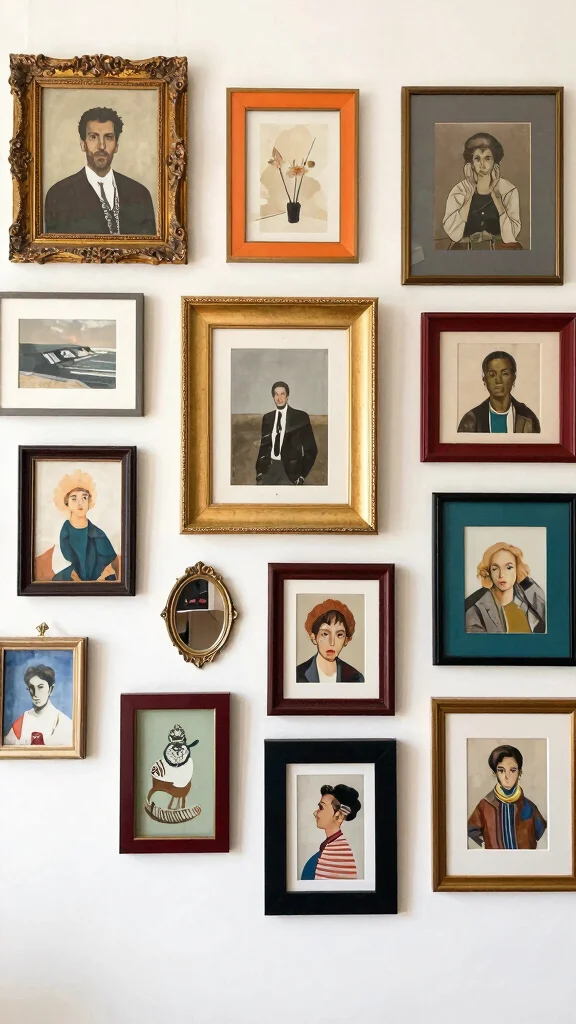
Eclectic frames bring personality to a gallery wall. They mix shapes and finishes from weathered wood to sleek metal for a layered look. A small mirror tucked between artworks adds depth. Pinterest loves this approach for small spaces, where variety keeps walls interesting.
Test placements on the floor before hammering nails to save mistakes. Start with thrifted or budget frames and group them around a unifying color. Use a single frame style to calm the chaos and keep the eye moving easily. This setup feels curated yet fun, perfect for showing off your personal style.
• Use mismatched frames to create a layered, eye-catching depth
• Choose varied materials frames to boost contrast on wall
• Add mirrors to reflect light and add visual space
• Place pieces with a shared color hue for harmony
Experiment and you will reveal a wall that feels truly yours.
2. Minimalist Black and White
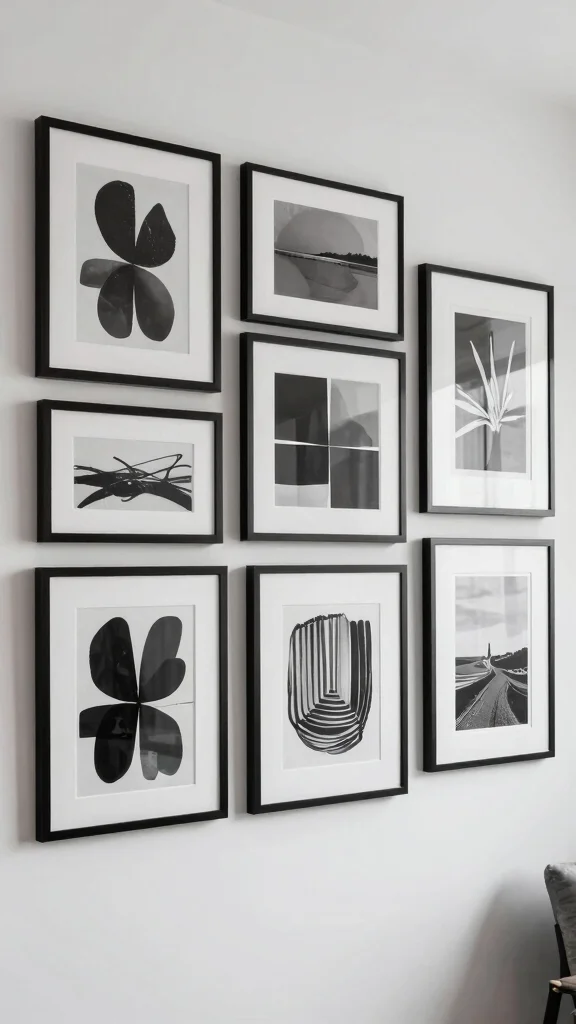
Minimalist black and white galleries emphasize the art first. Clean lines and simple frames create a quiet, cohesive backdrop. Using grayscale pieces and matching black frames keeps the look crisp. Designers say this approach makes small rooms feel larger and calmer.
Lay out artwork on the floor to test balance before hanging. Mix a few vertical and horizontal pieces for subtle variety while keeping the color scheme. Use affordable frames in black and simple mats to keep costs down. This style brings serenity and clarity, making every piece feel deliberate.
• Use grayscale artwork to anchor the wall with focus
• Choose slim black frames for cohesion and clean lines
• Mix horizontal and vertical layouts for interest without clutter
• Add minimalist mats to tie pieces together without crowding
This calm display feels refined and spacious.
3. Bold Color Blocks
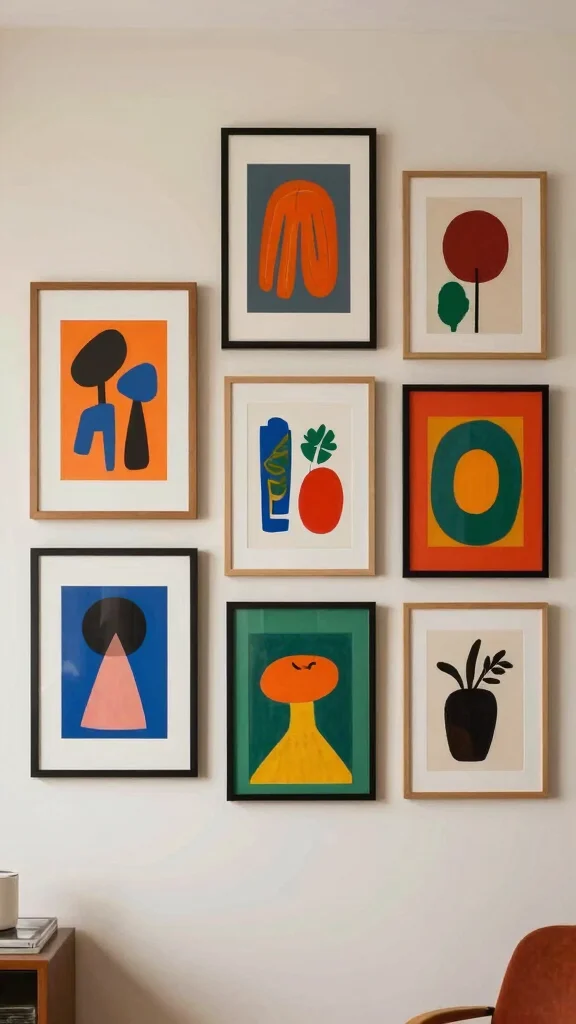
Bold color blocks make a room sing. Start with a few bright artworks as the focal points, then surround them with neutral frames to let colors pop. Arrange the pieces in a grid or playful pattern to create visual rhythm. This approach works especially in small rooms where color can wake the mood.
Begin with two or three standout pieces as anchors. Choose neutral frames to keep the eye on color. Place them in a defined pattern that balances energy with order. The result brings life and conversation to a space.
• Use bright artwork as the focal point on the wall
• Surround colors with neutral framing to pop against the background
• Create a patterned layout that guides the eye through the wall
• Add a single black frame to anchor color story
Color blocks create energy and thoughtful charm.
4. Nature-Inspired Collage
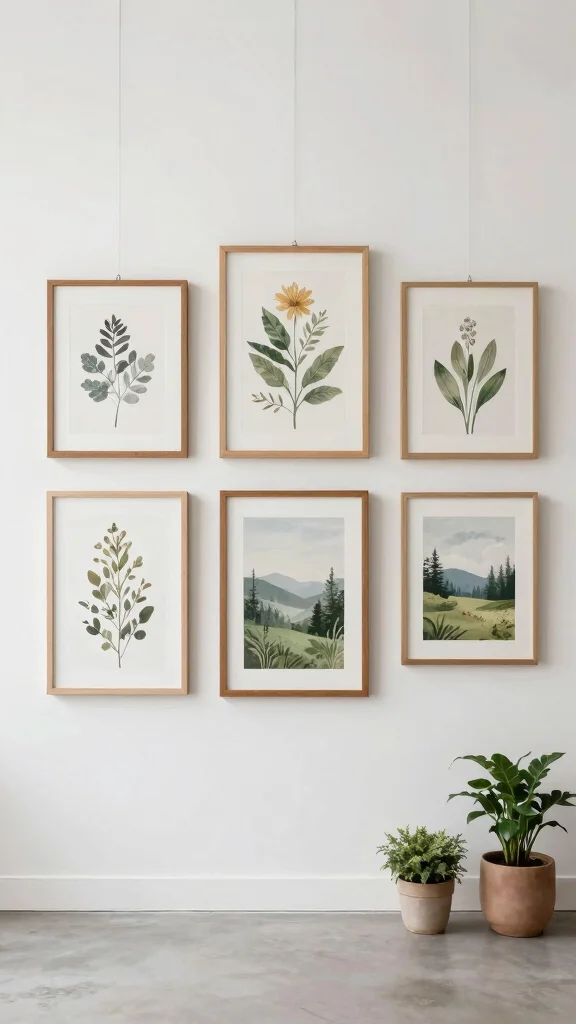
Nature-inspired collages bring calm and life to walls. Botanical prints mingle with earthy tones and textured papers, creating a soft, layered look. Wood frames and a few real plants enhance the natural feel. As seen in home tours, this approach suits bedrooms and reading nooks where you want quiet energy.
Test layouts by laying pieces on the floor first. Choose art with greens, browns, and creams to keep harmony. Mix natural textures like linen mats and cork backings for depth. This setup makes rooms feel fresh and grounded.
• Use botanical prints for a soothing atmosphere in living spaces
• Choose wood frames to emphasize nature vibe throughout home
• Place soft greens and neutrals for balance
• Add small plants to bring life close-up
This wall feels peaceful and connected to nature.
5. Gallery Shelf
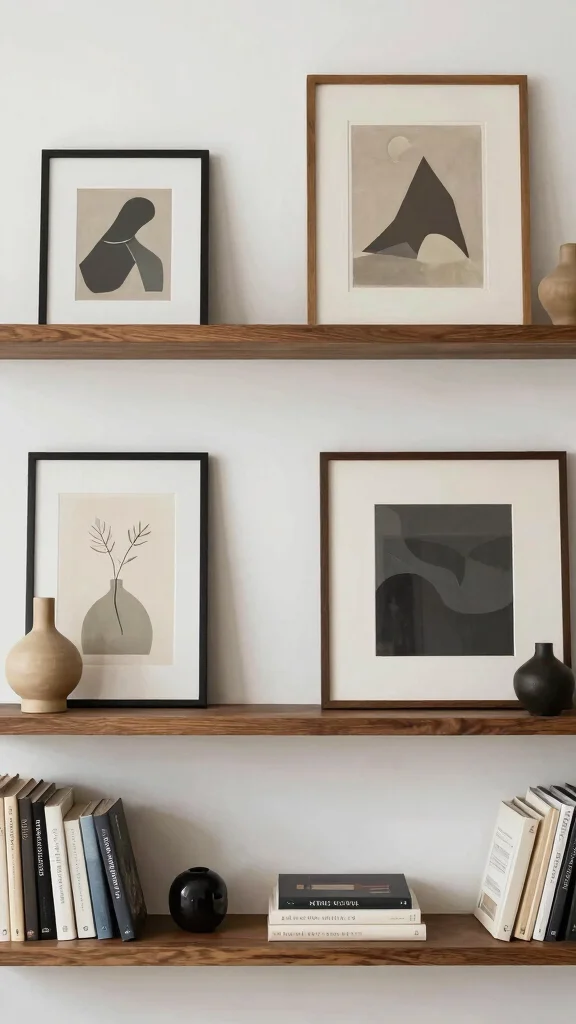
Gallery shelves turn your wall into a living display. They let you swap art without full rehanging, a win for rotating collections. This setup works well in tight spaces where wall real estate is scarce. It feels playful and practical, like a mini gallery you can rearrange.
Test layouts on the shelf before committing to hooks. Mix framed art with books and small sculptures to create depth. Keep heights varied and use the same frame style to tie look together. With this approach, you gain flexibility and a touch of whimsy.
• Use shelves to swap art without rehangs and nails
• Choose a mix of books and small objects
• Place items at varied heights for depth
• Add a unified frame style for cohesion
Shelves offer flexibility and whimsy in one display.
6. Classic Grid Layout
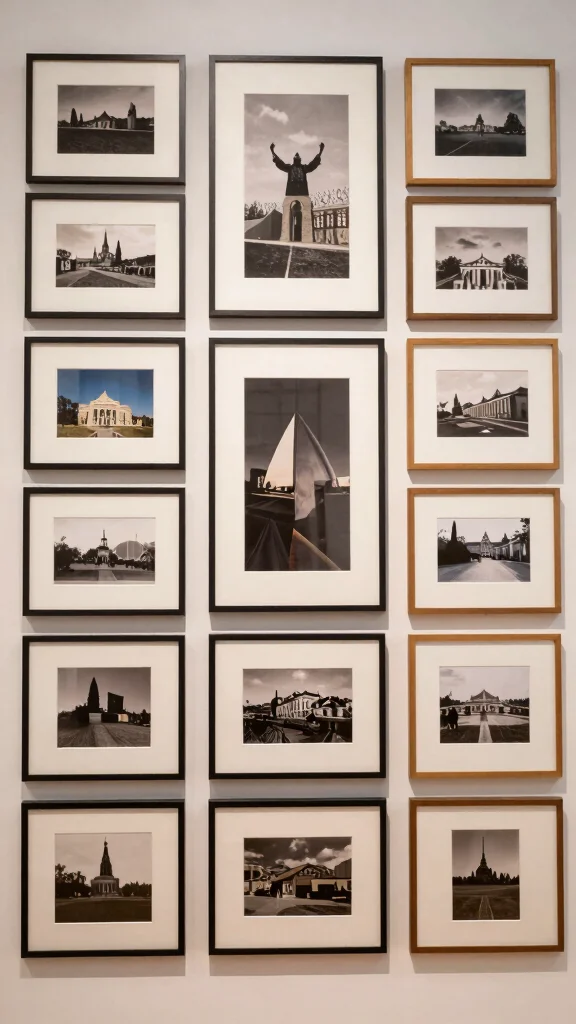
Classic grids bring order and polish to a wall. Even spacing and identical frames create a calm rhythm. It works in big or small rooms, adding a timeless feel. Stick with a simple palette to keep the focus on the art.
Use identical frames for a crisp grid. Measure wall space and mark even gaps before hanging. Experiment with photos, prints, and textile art for texture. The simple setup makes plain walls feel refined.
• Use identical frames for a crisp grid
• Choose even spacing and level hanging lines
• Place diverse artworks in uniform rows for balance
• Add simple mats to unify the look
Grid walls feel intelligent and timeless.
A crisp grid with identical frames immediately adds calm to any wall. Measure wall space, mark even gaps, and hang—your art, prints, and textiles will look polished and curated. This simple grid turns any room into an art gallery wall.
7. Playful Asymmetry
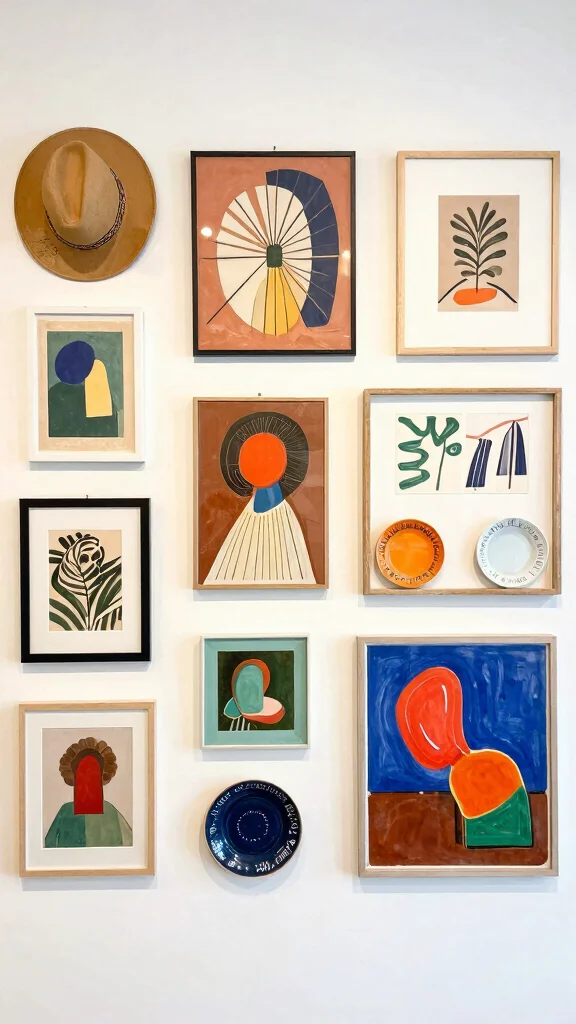
Asymmetry breaks the mold with ease. A loose balance feels friendly and approachable in busy living rooms. Mix frame sizes and art styles to create an organic rhythm. Small unexpected items can add character.
Use varied frame sizes to guide the eye. Choose mixed styles for spontaneous energy. Place unexpected items for extra character. Let layouts breathe beyond straight lines.
• Use varied frame shapes to create organic flow
• Choose mixed styles for playful contrast
• Place unexpected items for extra character
• Let layouts breathe beyond straight lines
This layout feels warm, inviting, and creative.
8. Themed Collections
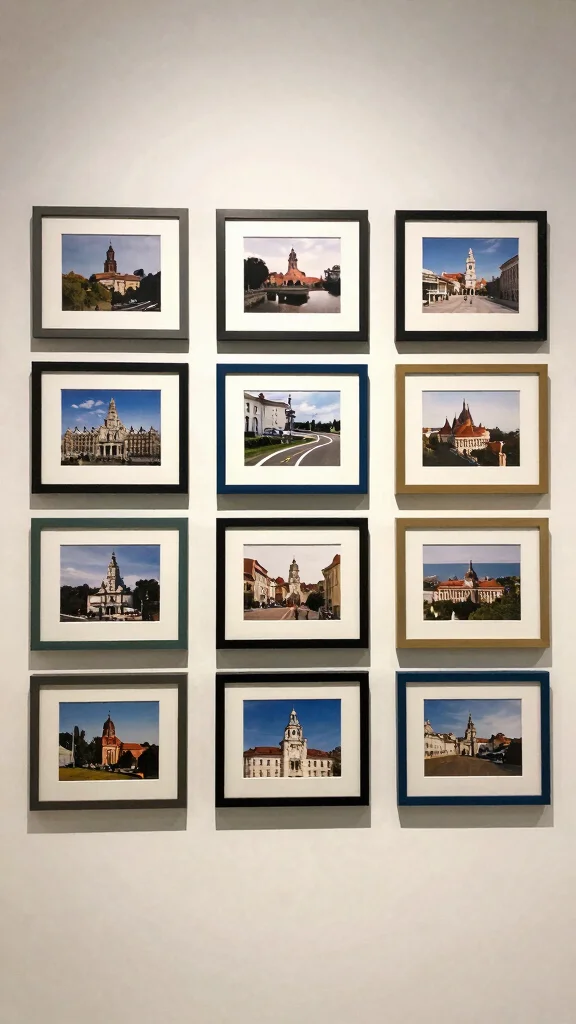
Themed collections create a story on the wall. Pick a clear subject such as travel, family, or a color family and repeat it across pieces. Keep a steady color family to tie looks together. A larger space can hold several pieces without feeling crowded.
Select a central theme you love and let it guide choices. Use a consistent color scheme to bind pieces. Plan spacing so pieces breathe and connect.
• Use a clear theme that reflects you and lifestyle
• Choose a steady color palette to tie pieces
• Place pieces with even spacing for harmony
• Add small repeat motifs to unify the display
The result is a story that feels uniquely you.
9. Tapestries and Textiles
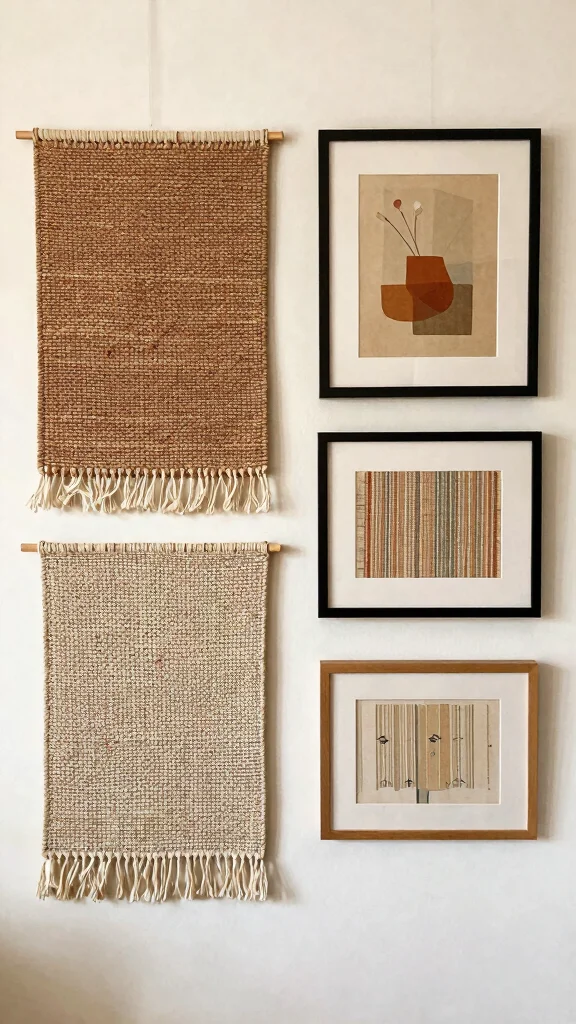
Textile wall art adds warmth and texture. Tapestries, quilts, and fabric panels soften a space with cozy layers. Pair them with wood frames or metal accents to keep the look grounded. This approach suits living rooms and bedrooms where comfort matters.
Test scale on the wall by hanging one large textile piece at center. Pair textiles with a few small framed pieces to balance. Mix textures like linen, wool, and cotton for depth. Keep colors cohesive to avoid visual overload.
• Use fabric art to add warmth and texture
• Choose durable frames to support textiles
• Place textiles with light colors to prevent heaviness
• Layer fabrics with wood accents for depth
Textile walls feel cozy and inviting.
10. Family Photo Showcase
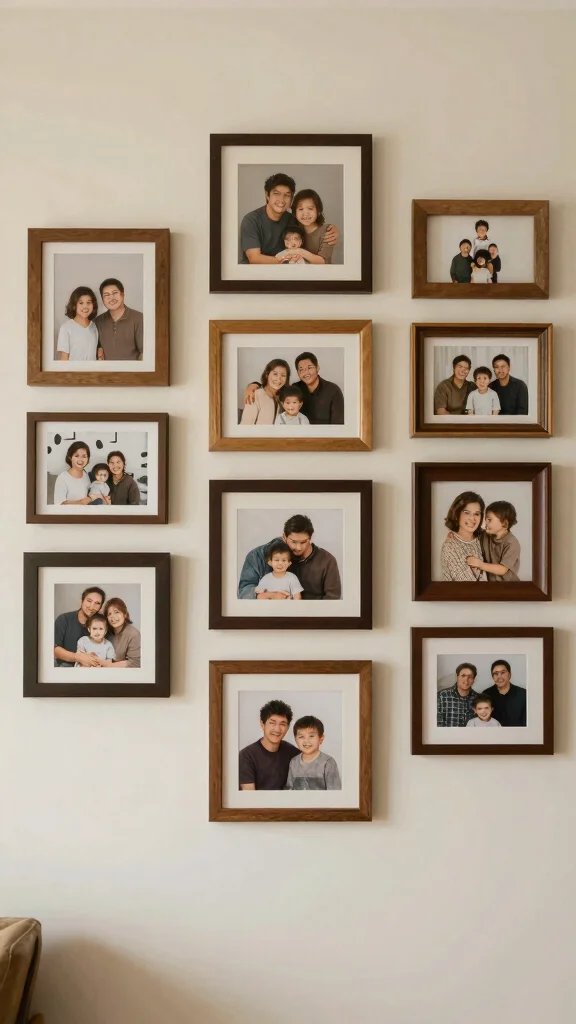
Family photos on a wall bring warmth and memory. Mix black and white images with color shots for contrast. Use different frames to create a relaxed, lived-in feel. Arrange the collection so it tells your family story across years.
Use a mix of black and white and color photos. Choose varied frames for a casual vibe. Place photos to narrate your family timeline. Add captions to share memories softly.
• Use a mix of black and white and color photos
• Choose varied frames for a casual vibe
• Place photos to narrate your family timeline
• Add captions to share memories softly
This display makes entryways feel welcoming and cozy.
11. Oversized Art Piece
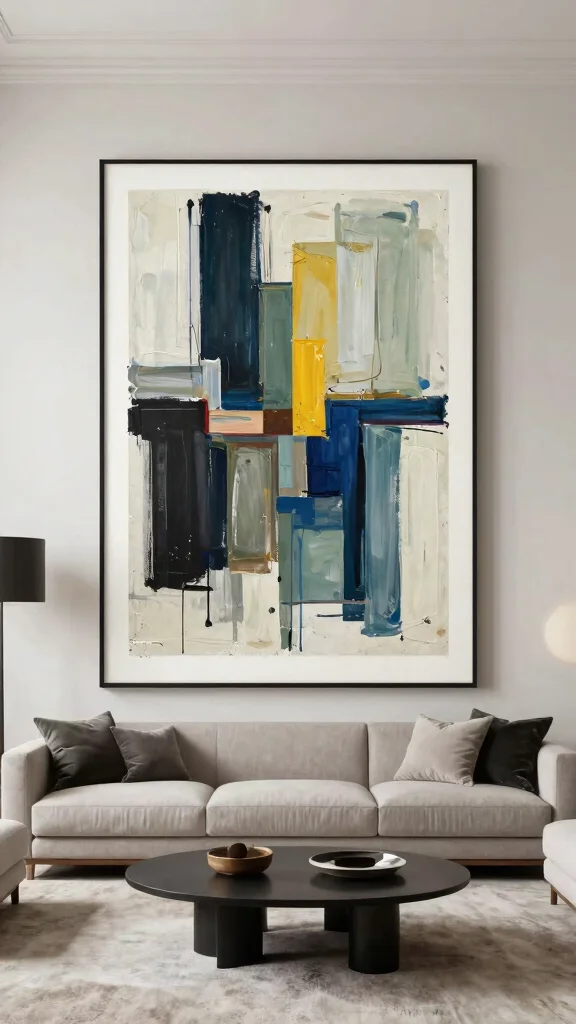
Oversized art acts as a bold anchor on a wall. A single large piece instantly defines the room and sets color and mood. Surround it with a few low-profile plants or sculptures to balance scale. In bigger rooms, this approach can replace clutter with a singular, powerful statement.
Choose a piece you love and that echoes your decor. Ensure the wall can bear the weight and size. Surround it with simple objects to keep focus. This setup brings a clean, refined vibe.
• Use a single large piece as a dramatic anchor
• Choose muted surroundings to let art breathe
• Place nearby plants or sculpture to balance
• Ensure wall can handle the weight and size
A bold single piece defines a room with grace.
12. Incorporate Wall Decals
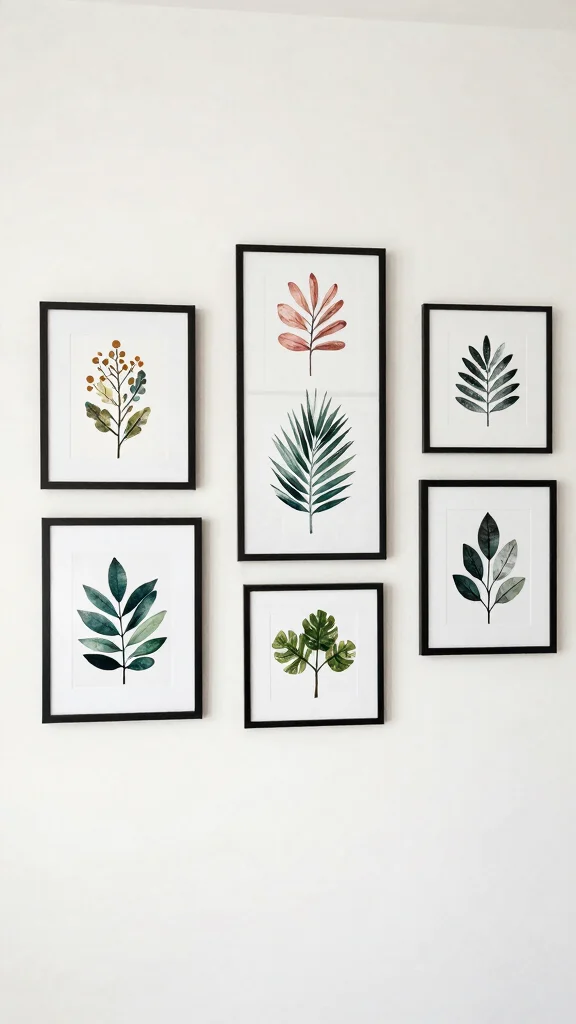
Wall decals offer a playful, damage-free way to decorate. Choose nature or geometric motifs to match your art. Place decals around art for extra depth. Removable decals make changes easy for renters.
Use removable decals to test patterns on walls. Choose motifs that echo your gallery theme across rooms. Place decals around art for extra depth and play. Remove and relocate without damaging walls or nails.
Decals let you refresh spaces without holes.
13. Lighting as Part of the Display
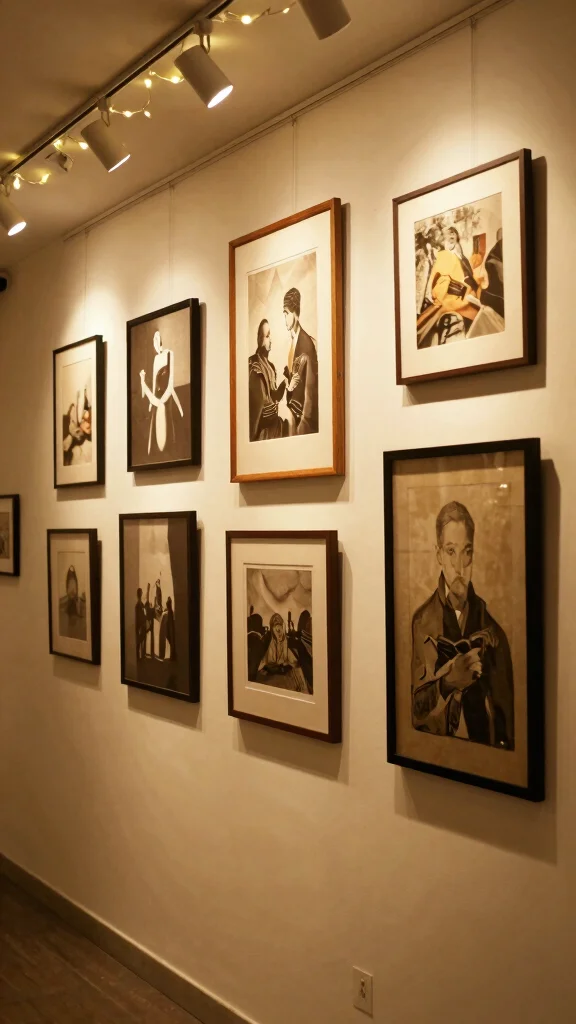
Lighting plays a key role in how art reads. Lighting can make a flat image feel alive. Use adjustable spotlights to draw attention to favorites. Soft string lights wrap the display in a warm glow. The right balance prevents glare and frames color well.
Use adjustable spotlights to highlight favorite pieces. Try warm white string lights to create glow. Place lighting to avoid glare on glass frames. Match lamps to the room mood for cohesion.
Good lighting makes art feel inviting and complete.
14. Seasonal Art Rotation
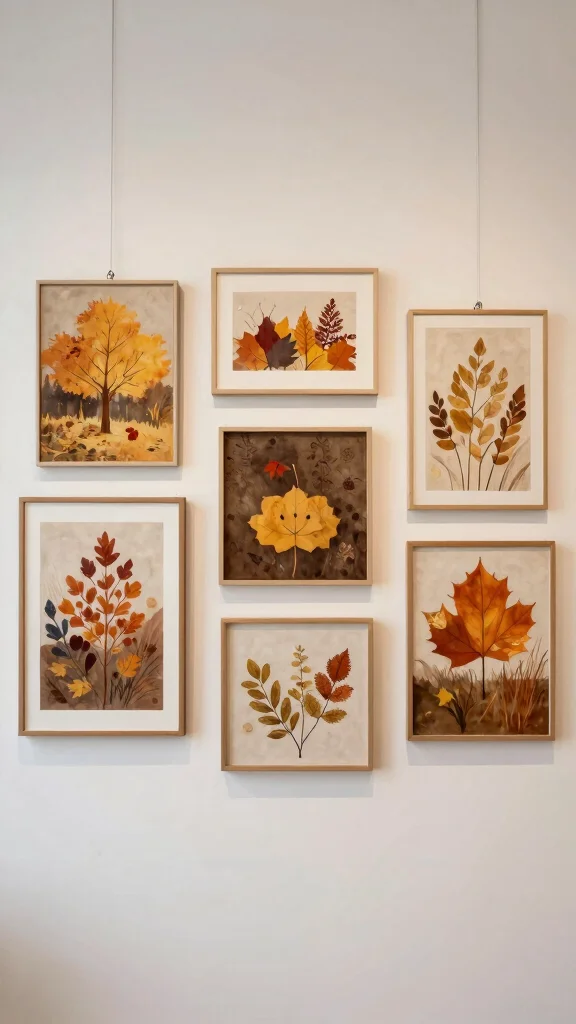
Rotate art to match the seasons and holidays. Plan a year-round schedule so pieces feel fresh. Store pieces in labeled bins for quick swaps. Seasonal themes keep your space lively.
Use a calendar to plan piece swaps. Choose pieces that fit seasonal palettes. Store previous art in labeled boxes. Experiment with themes like autumn or spring.
Your wall stays fresh all year.
15. Mixed Media Approach
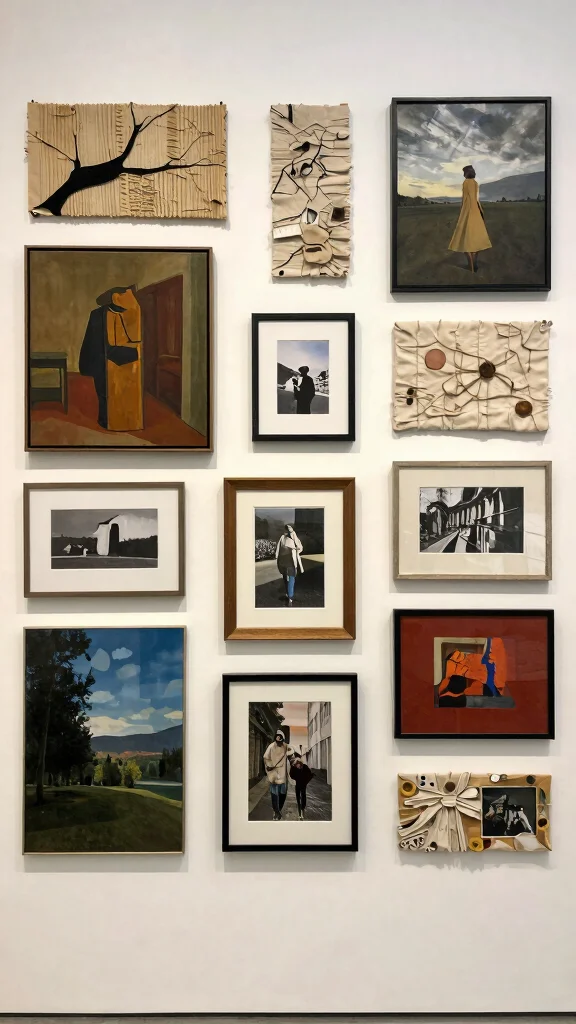
Mixed media blends paintings, photos, and 3D elements into one wall. The mix adds texture and depth that keep eyes moving. Pick a unifying color or motif to anchor the display. Layer artwork with varied mounting methods for real dimension.
Use a shared color to tie mixed pieces. Choose varied frames and mounts for texture. Layer artwork to create depth on the wall. Add sculptural accents for extra interest.
This setup makes walls feel alive.
Fun fact: An art gallery wall using mixed media blends 3-4 materials (paintings, photos, and 3D pieces) to create real depth. Experiment with unifying color and varied frames to anchor the display.
16. Art in Unexpected Places
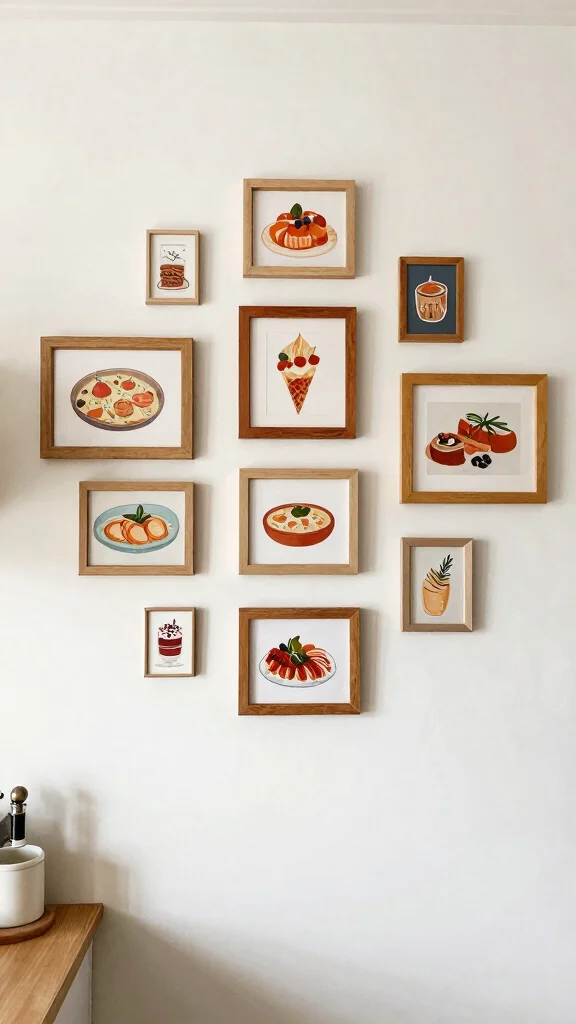
Art belongs everywhere, even in kitchens and bathrooms. Waterproof frames help in damp rooms and small spaces. Let art guide a walk through your home. Use themed prints in each area to connect spaces.
Use moisture-safe frames in bathrooms. Choose compact works for tight spaces. Create a path through rooms with art. Match tone to room function and mood.
Surprises keep guests curious and delighted.
17. Coordinate With Furniture
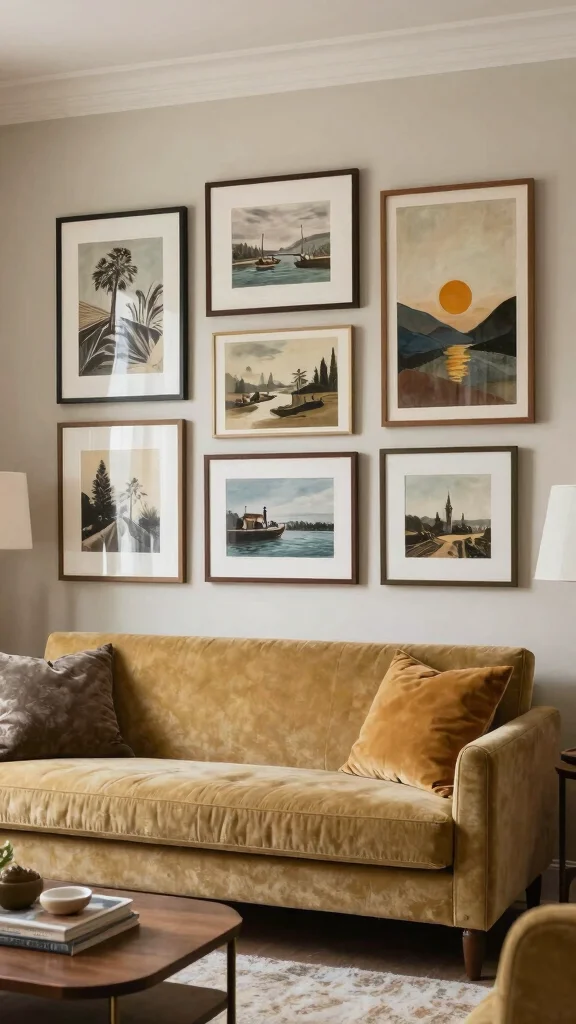
Your wall can echo the color, texture, and line of your furniture. Let colors in the art echo upholstery and wood tones. Balance large frames with smaller pieces so the eye travels smoothly. Keeping finishes similar creates a calm, unified space.
Use color echoes to pair art with upholstery. Measure wall space against nearby furniture carefully. Sequence art to guide eyes around the room. Keep finishes and frames similar for cohesion.
A coordinated wall feels polished and thoughtful.
Coordinate With Furniture by letting art echo the room’s colors and finishes. Balance large and small frames so the eye travels smoothly, and keep similar finishes for cohesion—your art gallery wall will feel polished, intentional, and effortlessly welcoming.
18. Dynamic Dual-Wall Setup
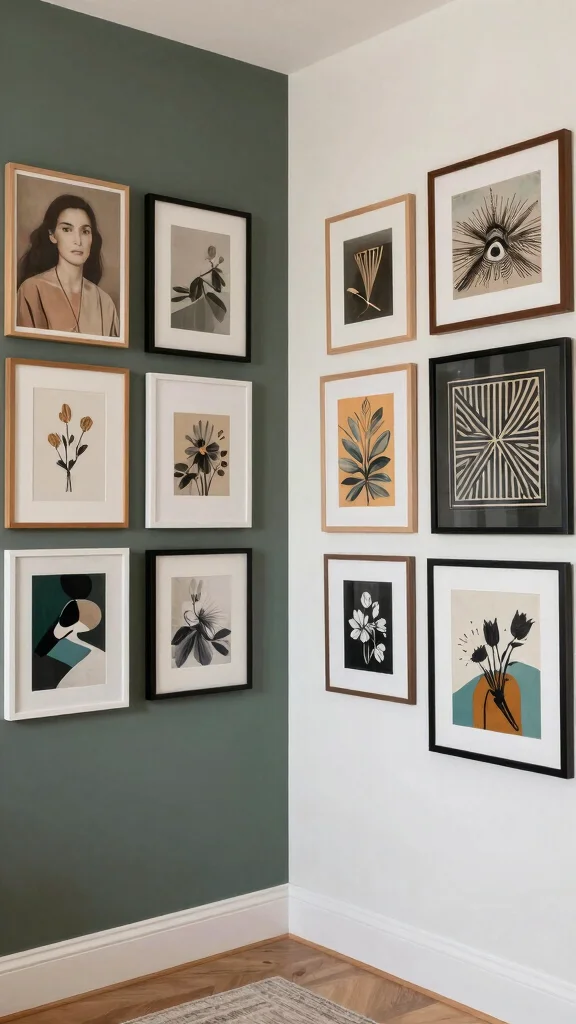
Two walls can become a grand stage for a double gallery. Pair them with related themes but distinct art to keep variety. Maintain even spacing and similar frames to tie the spaces together. This setup turns a room into a striking, curated environment.
Use a shared theme across both walls. Choose different yet related art styles. Keep spacing consistent for harmony. Balance color so walls unite the space.
Together they make the room feel rare.
Conclusion
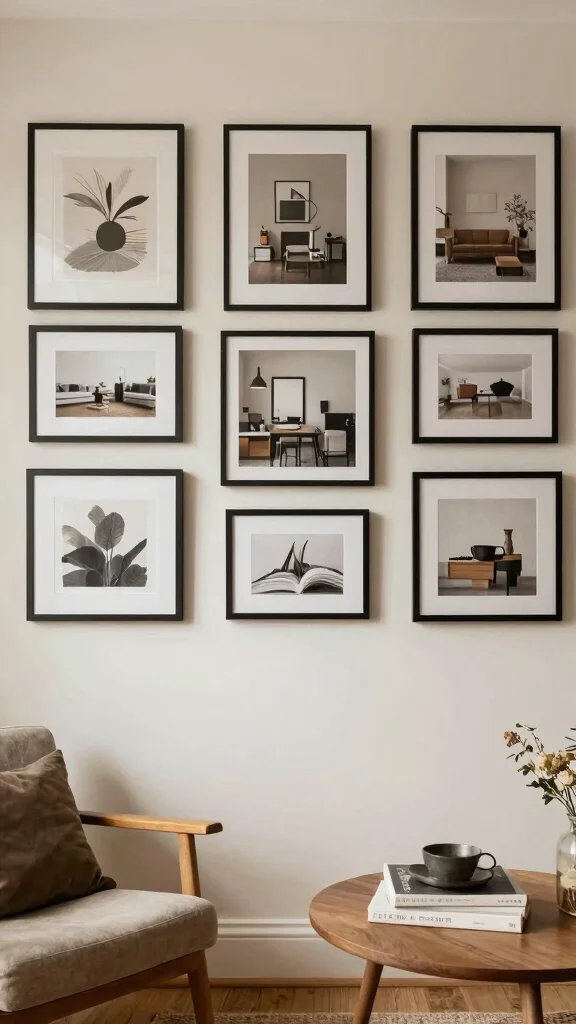
Art gallery walls can breathe life into your spaces, reflecting your unique style and personality. Whether you prefer a classic grid layout or an eclectic mix of frames, the possibilities are endless. Each of these 18 ideas offers a way to showcase your creativity and enhance your home decor.
Explore these concepts and let your walls tell your story, inviting warmth and charm into every corner of your home.
Frequently Asked Questions
What exactly is an art gallery wall, and why can it create a large impact in small spaces?
An art gallery wall is a curated cluster of frames and art pieces arranged together on a wall to tell a story.
In small spaces, it creates a focal point and a sense of custom design without taking up floor space, delivering large impact with color, texture, and rhythm.
Start by selecting a cohesive color palette and 3–5 pieces with a unifying theme, then decide on a layout (grid, salon, or staggered).
Lay it out on the floor or trace on paper first, then use painter’s tape to map the arrangement before you hang.
Keep spacing uniform or vary it intentionally to create balance; this is the quickest way to make your art gallery wall feel intentional and polished.
How can I design a gallery wall layout that looks curated in a room?
To design a gallery wall that feels curated, pick your layout type first: a clean grid for a refined look or a salon style for a more dynamic vibe.
Use a central anchor piece and build around it, then mix sizes and orientations with purpose.
Create mockups on the floor or wall using templates, ensuring even spacing (about 2–3 inches is a good guideline) and aligning the pieces by the picture edges rather than frames.
For cohesion, repeat one or two frame finishes or mat colors and pull color from the room’s palette, so every piece belongs to the same story, regardless of subject.
What practical steps can I take to hang an art gallery wall in a small space without damaging the walls?
Want to hang it without a wall mess in a small space? Start with a floor plan or printed paper templates of each frame size to test layouts before you drill.
Use a level and masking tape to mark where the nails go, and consider a lightweight rail or cable system for easy rearranging.
For heavy frames, use proper wall anchors and distribute weight across two or more studs; for lighter art, strong adhesive strips can work but prefer hardware for longevity.
Finish by labeling each piece and recording its position so you can rotate or swap pieces later without guessing.
How should I mix different sizes, frames, and mediums to keep the art wall cohesive?
Mixing sizes and mediums can feel chaotic if you don’t set a unifying thread. Start with a few similarly matted pieces to create a backbone, then add larger or longer pieces to balance the top and bottom.
Keep a consistent rhythm by aligning centers on a grid or using a decorative offset that repeats in each row.
When in doubt, frame everything in a cohesive tone and let one statement piece pop with a complementary color, so the wall reads as one curated collection rather than separate bits.
What lighting and maintenance tips help a gallery wall stay stunning over time?
Lighting and rotation keep a gallery wall looking fresh. Use adjustable track lighting or picture lights to highlight the art without glare.
If possible, place pieces away from direct sunlight to protect colors; consider UV-protective glass or acrylic for longevity.
Regularly dust frames and glass with a microfiber cloth, and rotate pieces every season to keep the display interesting.
Finally, check the hardware every few months to ensure nothing has shifted and your curated wall stays secure and pristine.