
When it comes to renovating your bathroom, the idea of a walk-in shower can be both thrilling and daunting. You’ve probably seen stunning walk-in shower tile ideas that make you dream of a spa-like oasis at home. But before you dive in, it’s crucial to recognize the common pitfalls that can turn your stunning vision into a stressful experience. That’s why I put together this guide—it’s all about helping you avoid the top 15 layout mistakes when tiling your walk-in shower.
If you’re someone who loves home decor and is looking for space-saving solutions in your small bathroom, this blog post is especially for you. You want your shower to be stylish and functional, but getting there can be tricky. Whether you’re a DIY enthusiast or planning to hire a professional, understanding these common mistakes will save you time, money, and frustration.
In this article, I’ll walk you through the most frequent design missteps to help you craft a beautiful and efficient shower space. From choosing the right tile size to ensuring proper drainage and waterproofing, you’ll learn practical tips that help you make informed decisions. By the end, you’ll have a clear roadmap to create the walk-in shower of your dreams, minus the headaches.
So, let’s dive in and transform your showering experience while maximizing your bathroom’s potential!
Key Takeaways
– Choosing the right tile size is essential; large tiles can overwhelm a small space, while tiny tiles may require excessive grout and can be harder to clean.
– Proper drain placement is key to preventing water pooling, ensuring that your shower remains functional and attractive.
– Waterproofing isn’t just a recommendation; it’s a must to avoid mold and water damage down the line.
– Think about your storage solutions early in the design process, so you don’t end up cluttering your beautiful new space.
– Hiring a professional can save you from costly mistakes that could arise from misjudged heights or incompatible tile types.
Contents
- 1. Choosing the Wrong Tile Size
- 2. Ignoring Drain Placement
- 3. Overlooking Waterproofing
- 4. Not Considering Tile Texture
- 5. Forgetting About Grout Color
- 6. Misjudging the Showerhead Height
- 7. Using Incompatible Tile Types
- 8. Designing Without Adequate Storage
- 9. Neglecting Proper Lighting
- 10. Choosing Inappropriate Shower Doors
- 11. Skimping On Grout Maintenance
- 12. Forgetting to Plan for Ventilation
- 13. Ignoring Color Coordination
- 14. Overcrowding with Accessories
- 15. Skipping on Professional Help
1. Choosing the Wrong Tile Size
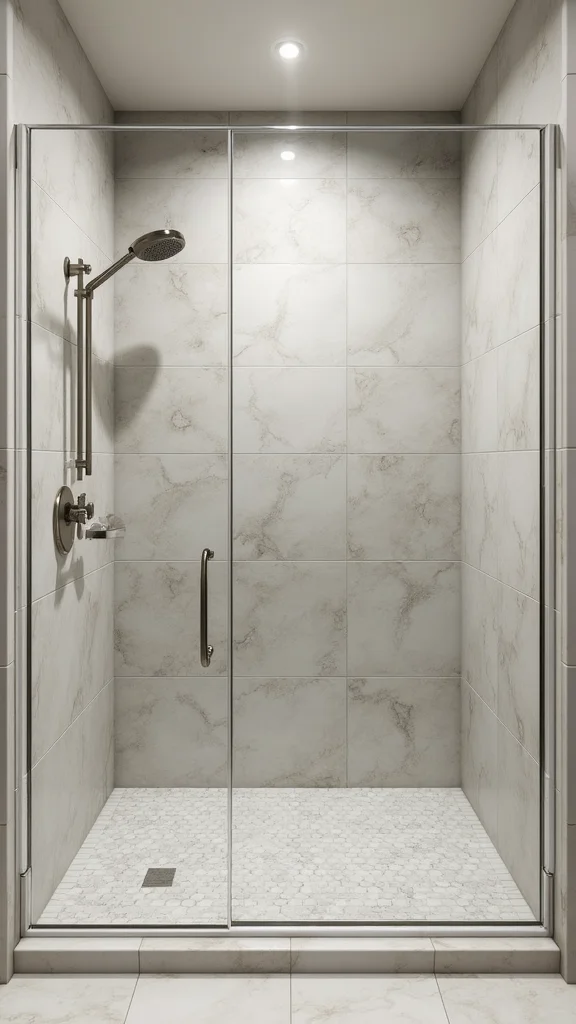
Selecting the right tile size is crucial for your walk-in shower’s design. Using large tiles in a small space can make it feel cramped, while tiny mosaic tiles can add charm but may overwhelm the eye. Aim for a balance based on your shower’s dimensions. Pinterest shows how mixing tile sizes can create a stylish look without feeling cluttered.
To get it right, use larger tiles for the walls to draw the eye upward, giving a sense of height. For the floor, smaller tiles offer better grip and safety. This approach ensures your shower feels open and inviting, making it a joy to use.
• Use large tiles on walls for a spacious feel.
• Choose small tiles on the floor for safety.
• Ensure tile layout matches your bathroom’s style.
• Mix sizes to add visual interest without clutter.
With the right tile size, your shower can feel both elegant and functional.
2. Ignoring Drain Placement
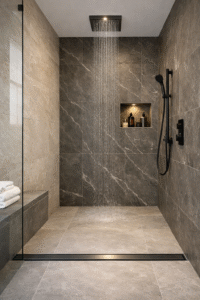
Drain placement is essential in walk-in showers. If you place the drain poorly, water can pool, leading to stains or water damage. A common mistake is positioning the drain too far from the showerhead. The best spot is centrally located, allowing for efficient water flow.
Consider installing a linear drain along the shower entrance. This option not only looks sleek but also helps prevent water issues. A well-placed drain can save you from future headaches, ensuring a clean and dry space.
• Position the drain centrally for effective water flow.
• Opt for a linear drain for a modern look.
• Ensure the drain is aligned with the showerhead.
• Regularly check for blockages to maintain drainage.
Proper drain placement will enhance both the function and beauty of your shower.
3. Overlooking Waterproofing
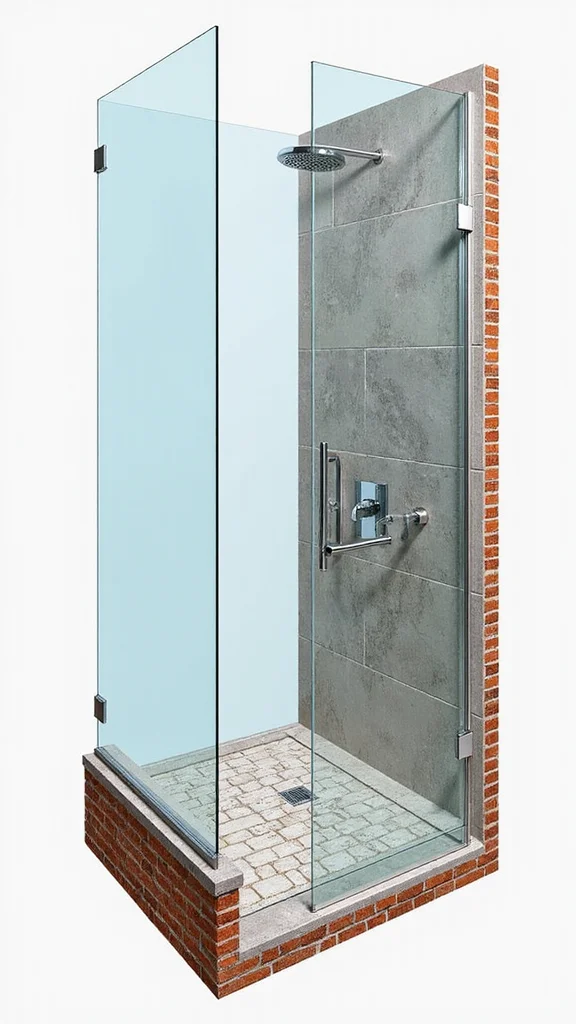
Waterproofing is a must in any walk-in shower. If you skip this step, you risk mold, mildew, and structural damage. Always apply a high-quality waterproof membrane before tiling to protect your space. This barrier is vital around corners and fixtures.
For added protection, use silicone caulk in joints and corners. Regularly inspect for leaks after installation to ensure everything stays dry. Taking these precautions will prolong the life of your tiles and keep your shower looking great.
• Apply waterproof membrane before tiling.
• Use silicone caulk for joints and corners.
• Check for leaks regularly post-installation.
• Invest in quality materials for longevity.
With proper waterproofing, you can enjoy a beautiful and durable shower.
4. Not Considering Tile Texture
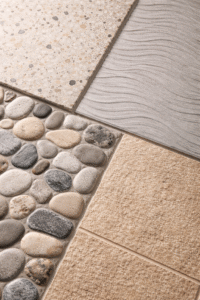
Tile texture matters for both safety and style. While glossy tiles look nice, they can be slippery when wet. Instead, choose textured tiles that provide grip and reduce slip risks. This simple choice can enhance safety without sacrificing aesthetics.
Opt for porcelain or ceramic tiles with a matte finish for a safer bathroom. Larger grout lines can also help with traction and prevent water pooling. By focusing on texture, you create a stunning and secure shower space.
• Choose matte-finish tiles for safety.
• Use larger grout lines to enhance grip.
• Consider textured surfaces for style.
• Avoid slick tiles to prevent slips.
Focusing on texture will make your shower both beautiful and safe.
5. Forgetting About Grout Color
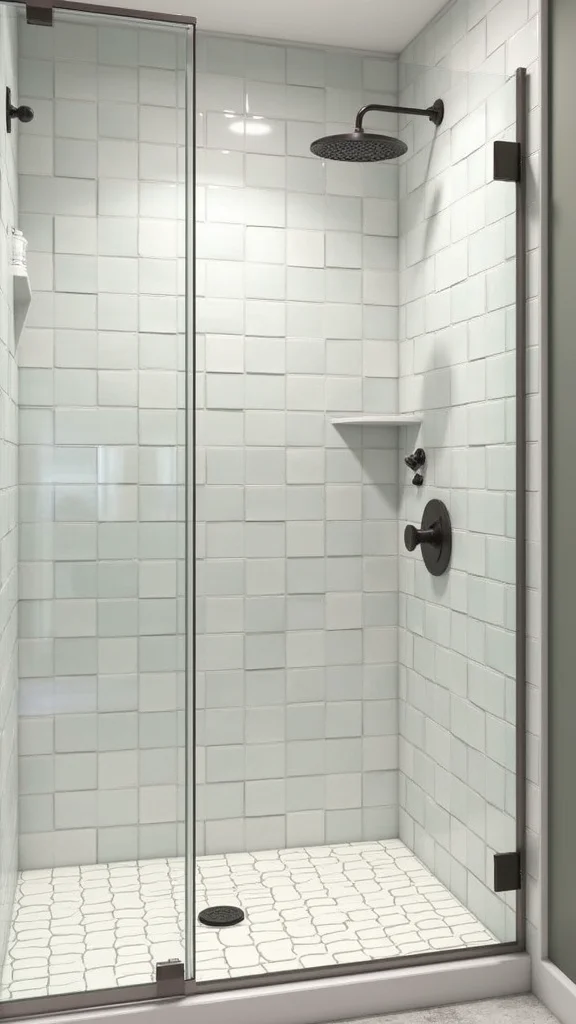
Grout color plays a huge role in your shower’s appearance. Light grout can show dirt, while dark grout may absorb heat and feel cramped. Choose a grout that complements your tiles for a unified look. Matching grout can enhance your design’s flow, while contrasting colors can add drama.
Test different grout colors against your tiles before making a decision. Avoid white grout in busy areas to reduce maintenance. Selecting the right grout color can elevate your shower’s overall design and keep it looking fresh.
• Test grout colors against tiles before buying.
• Avoid white grout in high-traffic areas.
• Choose matching grout for a seamless look.
• Use contrasting colors for visual interest.
Finding the perfect grout color will transform your shower into a stunning space.
6. Misjudging the Showerhead Height
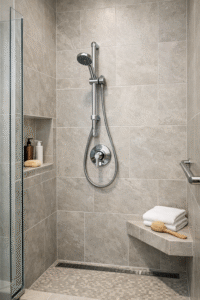
Getting the showerhead height right is key for comfort. A showerhead too low can feel cramped, while one too high may not work for shorter users. Standard showerheads are generally around 80 inches from the floor, but you can adjust based on who uses the shower.
Consider installing adjustable showerheads for flexibility. Discuss the best height options with a designer to fit your family’s needs. This attention to detail ensures everyone can enjoy a pleasant shower experience.
• Measure height carefully before installation.
• Consider adjustable showerheads for flexibility.
• Discuss options with a designer for personalized fit.
• Ensure heights cater to all users in the household.
Perfecting the showerhead height will enhance comfort for everyone.
7. Using Incompatible Tile Types
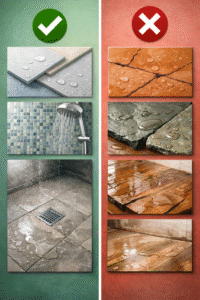
Choosing the wrong tile type in wet areas can cause big issues. Tiles not designed for moisture can crack or grow mold. Always opt for tiles made for bathrooms. Porcelain tiles are ideal because they have low water absorption rates, perfect for walk-in showers.
Check slip resistance ratings to ensure your safety. This careful selection will prevent future headaches and keep your shower looking great for longer.
• Select bathroom-rated tiles for durability.
• Use porcelain tiles for low water absorption.
• Check slip resistance ratings for safety.
• Avoid tiles not made for wet areas.
Choosing compatible tiles will help create a beautiful and lasting shower.
8. Designing Without Adequate Storage
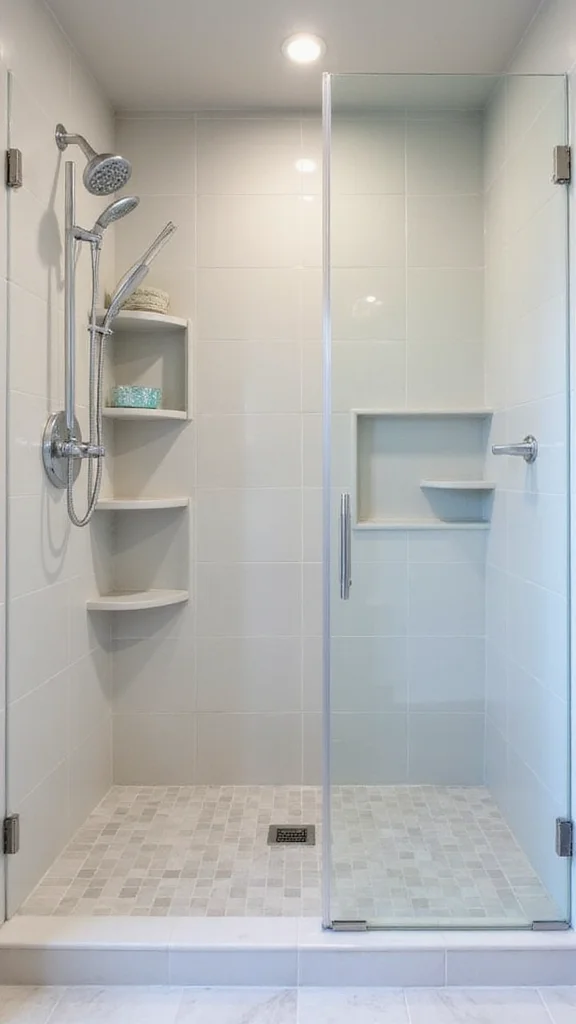
Lack of storage in your walk-in shower is a common mistake. Without shelves or caddies, products can clutter your space. Consider recessed niches to store shampoo and conditioner, giving a sleek look while keeping everything organized.
Use corner shelves to make the most out of small areas. Shower baskets that hang or mount on walls also help keep things tidy. Thoughtful storage solutions will enhance both the function and style of your shower.
• Add recessed niches for a clean look.
• Use corner shelves to maximize space.
• Choose hanging baskets for convenience.
• Keep products organized to prevent clutter.
Smart storage choices will keep your shower neat and stylish.
9. Neglecting Proper Lighting
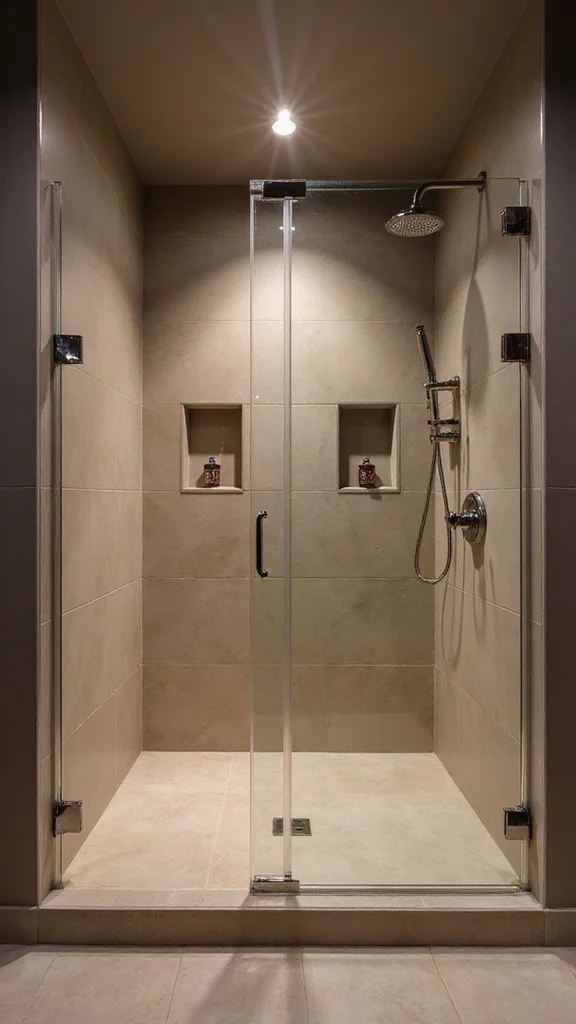
Lighting can completely change the vibe of your walk-in shower. Poor lighting makes the space feel cramped and uninviting. Layered lighting is key. Combine ambient fixtures with task lights like adjustable sconces or recessed lights for the best effect.
Pick waterproof fixtures designed for wet areas. Dimmable lights let you adjust the mood for a relaxing experience. Good lighting creates a welcoming atmosphere, transforming your shower into a personal retreat.
• Use waterproof fixtures for safety.
• Incorporate dimmable lights for ambiance.
• Layer lighting for depth and warmth.
• Position lights to avoid shadows and dark spots.
Proper lighting will make your shower feel like a luxurious escape.
10. Choosing Inappropriate Shower Doors
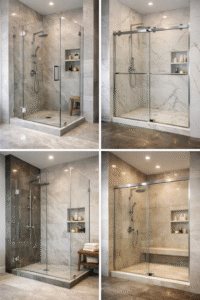
Shower doors are both practical and stylish, but picking the wrong type can lead to gaps or access issues. Sliding doors save space, while hinged doors add a classic touch. It’s important to measure your space accurately to find the right fit.
Consider frameless doors for an open, airy feel, especially in smaller bathrooms. Choosing the right door can elevate both the functionality and beauty of your shower.
• Measure your space carefully before choosing doors.
• Consider sliding doors for space-saving.
• Use frameless doors for a modern look.
• Ensure doors open freely without obstructions.
The right shower door will enhance your shower’s style and usability.
11. Skimping On Grout Maintenance
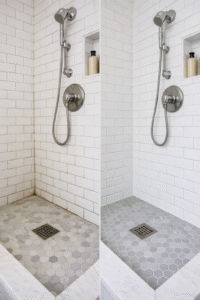
Grout maintenance is essential for a clean and lasting shower. If you neglect sealing grout, mold and mildew can grow over time. Regularly clean and seal your grout to keep it looking sharp.
Use a pH-neutral cleaner made for tile and grout. Seal the grout lines every six months to protect against moisture. Investing time in grout care will ensure a beautiful and long-lasting shower experience.
• Clean grout with pH-neutral cleaner regularly.
• Seal grout lines every six months.
• Inspect for mold regularly to catch issues early.
• Use a toothbrush to clean hard-to-reach spots.
Consistent grout maintenance will keep your shower fresh and vibrant.
12. Forgetting to Plan for Ventilation
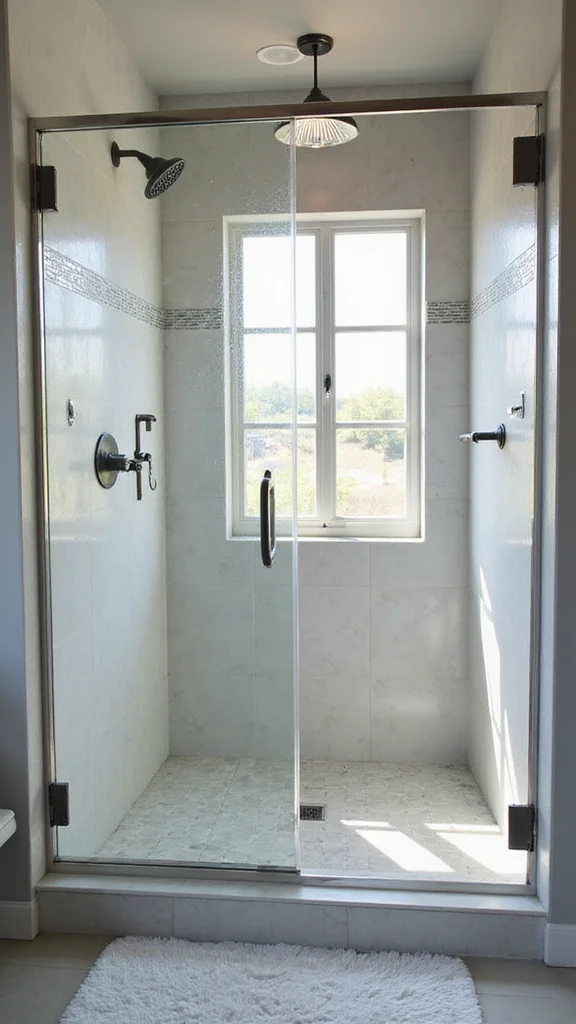
Proper ventilation is key in a walk-in shower to prevent moisture buildup. Neglecting this can lead to mold and damage over time. Install an exhaust fan or window to help humidity escape.
Consider adding a timer for the fan to keep air flowing even after your shower. Make sure your ventilation system isn’t too loud to maintain a peaceful atmosphere. Good ventilation is often overlooked but is vital for the longevity of your shower’s features.
• Install an exhaust fan for airflow.
• Use a timer to keep the fan running.
• Ensure the fan is quiet to avoid disruption.
• Regularly check for moisture build-up.
13. Ignoring Color Coordination
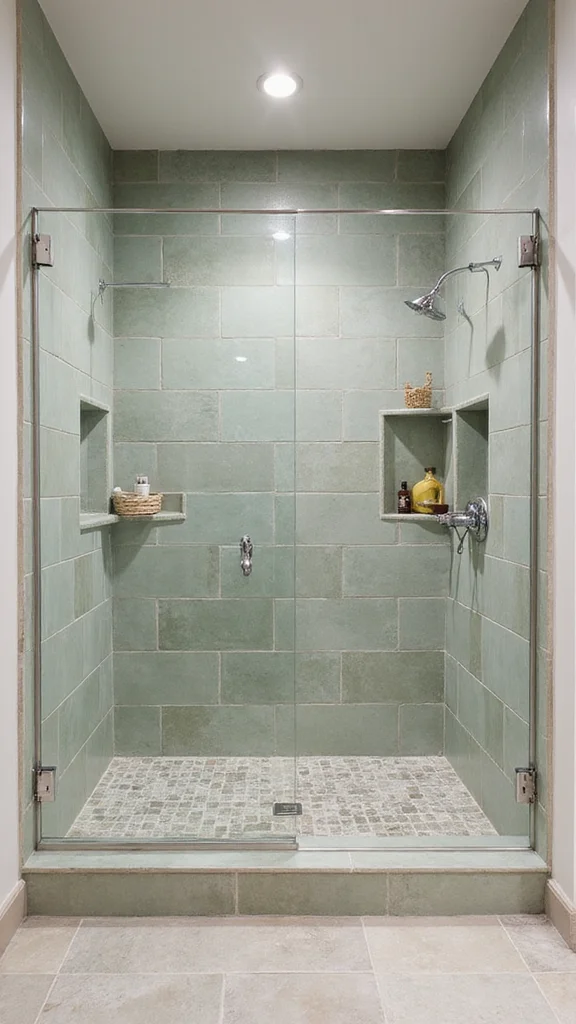
Color coordination is essential for a cohesive bathroom look. Many people make mistakes by mixing clashing colors for tiles and accessories. Create a harmonious color palette that complements your decor for a stylish appearance.
Stick to three main colors to keep your shower unified and appealing. Use neutral tiles as a base and add color through accessories like towels or bath mats. This approach keeps the space fresh without feeling chaotic.
• Choose three main colors for cohesion.
• Use neutral tiles as a base.
• Add color with accessories like towels.
• Avoid clashing colors to maintain balance.
Effective color coordination will elevate your shower’s overall design.
14. Overcrowding with Accessories
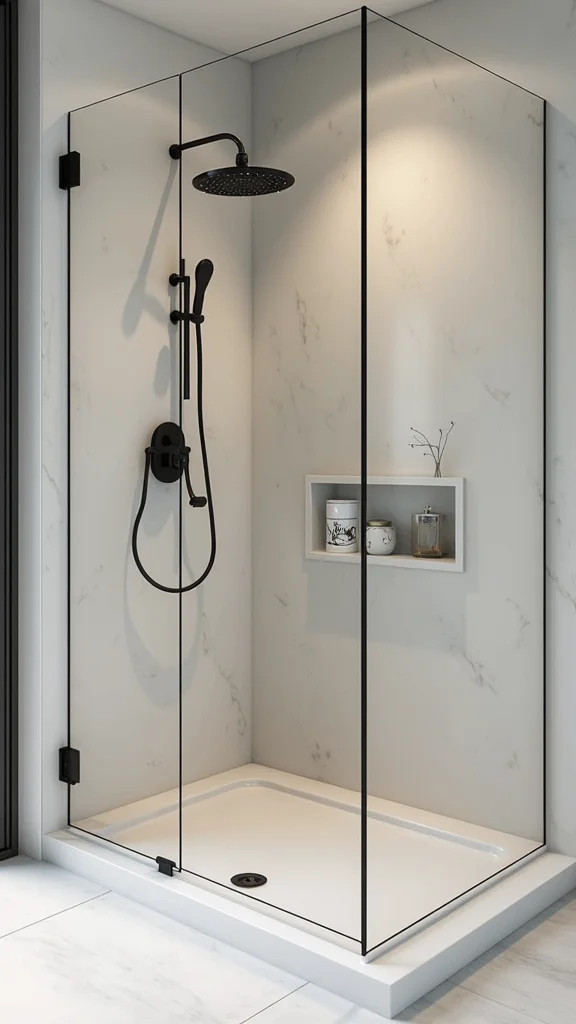
It’s easy to go overboard with accessories in your walk-in shower. Too many items can create visual clutter and take away from the peaceful vibe you want. Choose a few standout pieces that enhance your shower’s design without overwhelming it.
Opt for multifunctional accessories that save space and keep things tidy. Use clear organizers to store products without adding to the visual noise. Finding the right balance will ensure your shower remains a calming retreat.
• Choose statement pieces for style.
• Select multifunctional accessories to save space.
• Use clear organizers for a tidy look.
• Limit accessories to avoid clutter.
Striking the right balance will keep your shower a serene oasis.
15. Skipping on Professional Help
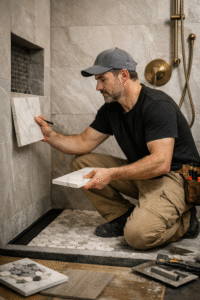
One of the biggest mistakes is skipping professional help when designing your walk-in shower. DIY projects can be fun, but professionals ensure your shower is beautiful, functional, and up to code. They offer valuable advice on layout and materials, saving you time and stress.
Get multiple quotes and check reviews before choosing a contractor. This ensures you make a wise investment in your shower. Hiring a professional can truly make a difference in your final result.
• Consult a professional designer for layout tips.
• Get multiple quotes for best pricing.
• Check reviews to find reliable help.
• Trust experts to ensure quality work.
Investing in professional help will enhance your shower’s quality and style.
Conclusion
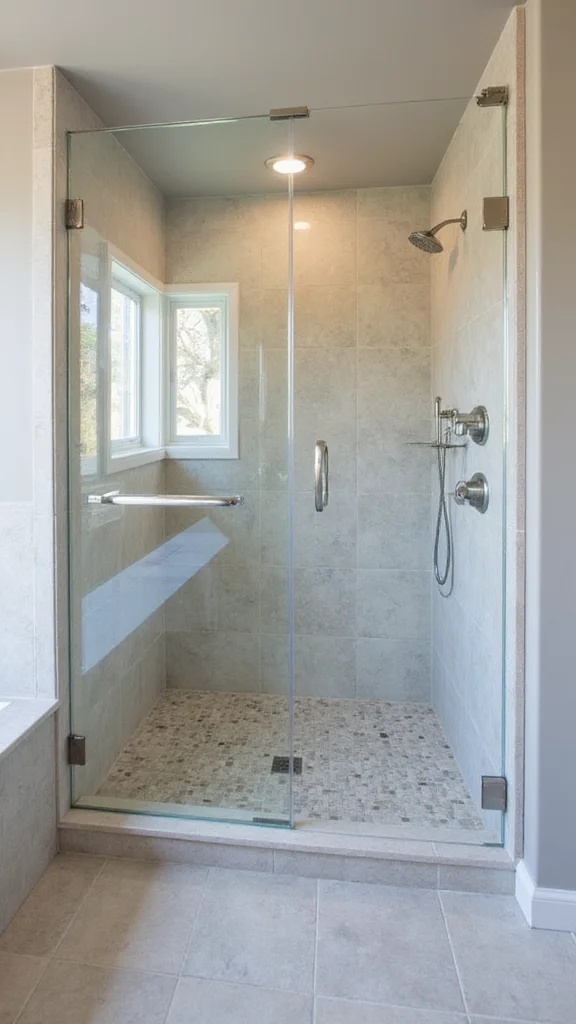
Tiling a walk-in shower is a rewarding endeavor, but avoiding common layout mistakes is essential for creating a functional and stylish space. Keeping these tips in mind will help you achieve a shower that blends beauty with practicality.
Taking the time to plan and consider each element can transform your bathroom into a serene oasis that you’ll love. With thoughtful design and attention to detail, your walk-in shower will be the perfect blend of style and functionality!
Frequently Asked Questions
What Are the Common Mistakes to Avoid When Tiling a Walk-in Shower?
When tiling your walk-in shower, it’s easy to overlook details that can lead to costly mistakes. Some common pitfalls include improper slope, ignoring waterproofing, and choosing the wrong tile size.
Make sure to plan the layout carefully, ensuring that water flows properly towards the drain. Additionally, always use a quality waterproof membrane to protect your walls and flooring. Remember, the right walk-in shower tile ideas can enhance both style and functionality!
How Can I Choose the Right Tile for a Small Walk-in Shower Space?
Choosing the right tile for a small walk-in shower can make a significant difference in how spacious it feels. Opt for light-colored tiles or large-format tiles to create an illusion of space.
Additionally, consider using vertical patterns or glossy finishes to reflect light. These choices can help maximize the visual appeal of your shower while complementing your overall space-saving design goals.
What Tile Patterns Work Best for Walk-in Showers?
Tile patterns can dramatically influence the style of your walk-in shower. Popular choices include herringbone, subway, and stack bond patterns.
Each pattern offers a unique aesthetic, but for a small bathroom, consider using a simple layout like a classic grid or staggered pattern to keep it timeless and elegant. Don’t forget to mix textures and colors for added depth while maintaining a cohesive look!
How Can I Make My Walk-in Shower More Functional Without Sacrificing Style?
To enhance functionality in your walk-in shower without compromising on style, think about integrating built-in shelves or corner caddies for storage.
Choose tiles that are both stylish and easy to clean, such as porcelain or ceramic, which can withstand moisture and wear. Remember, a well-planned layout with thoughtful tile choices can create a beautiful yet practical shower space!
What Should I Consider for Drainage When Tiling a Walk-in Shower?
Drainage is crucial for keeping your walk-in shower functional and free from standing water. Make sure to create a slight slope in your flooring towards the drain, ideally around 1-2%.
Also, consider the type of drain you use; linear drains are often more aesthetically pleasing and can work well in modern designs. Proper drainage ensures that your shower remains not only stylish but also safe and functional!